
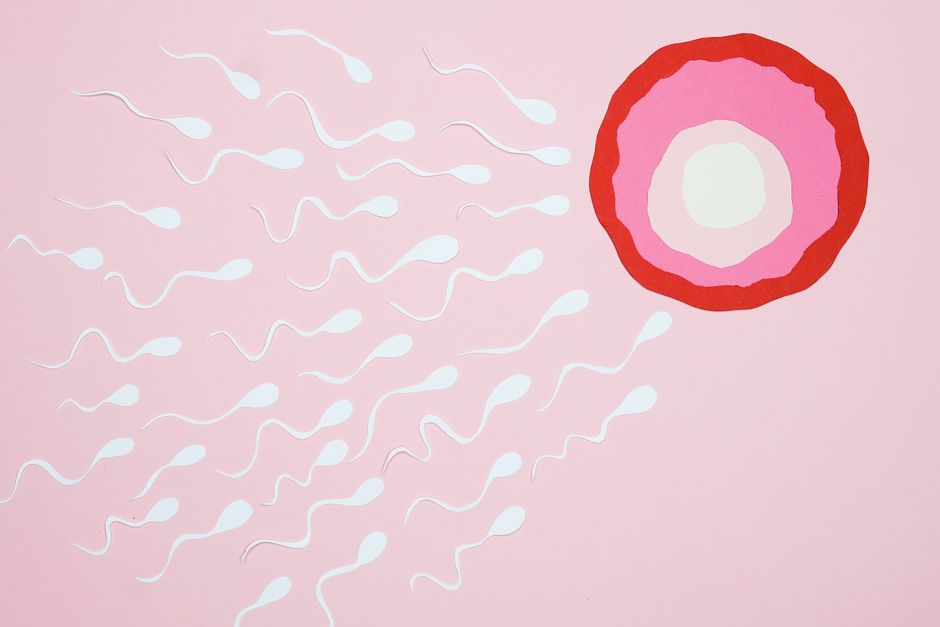
Knowing when you conceived can feel like solving a puzzle. You have a due date, a last period, and maybe an ultrasound image. But the pieces don’t always line up neatly. Conception date is not the same as the first day of your last menstrual period (LMP), and it is not the same as the date of ovulation. Most people want to know the exact day they got pregnant, but biology rarely works that way. Here is how doctors actually calculate conception using LMP, ovulation tracking, and ultrasound measurements — and why the date you get is an estimate, not a precise moment.
What Is the LMP Method for Calculating Conception?
The LMP method starts with the first day of your last menstrual period. This date is the anchor for the standard 280-day pregnancy timeline, which is about 40 weeks. Under this system, you are considered two weeks pregnant before you even ovulate. That sounds strange, but it is the standard medical convention used worldwide.
To estimate a conception date from LMP, doctors count forward about two weeks from the first day of your period. This assumes ovulation happened on day 14 of a regular 28-day cycle. If your cycle is longer or shorter, this estimate shifts. For example, a woman with a 35-day cycle likely ovulated around day 21, not day 14. Using the simple LMP method for her would place conception a full week too early.
The LMP method works best for women with regular cycles who know their period start date with confidence. For irregular cycles, the estimate becomes less reliable. No clinical guideline recommends using LMP alone to pinpoint a specific conception date. It is a starting point, not a finish line.
How Ovulation Tracking Refines the Date
Conception can only happen around ovulation. The egg survives about 12 to 24 hours after release. Sperm can live inside the reproductive tract for up to five days. This means the fertile window spans roughly six days — the five days before ovulation plus the day of ovulation itself. Intercourse on any of those days can result in conception.
If you track ovulation with an ovulation predictor kit, basal body temperature, or cervical mucus changes, you can narrow the window. Ovulation predictor kits detect the luteinizing hormone surge that occurs about 24 to 36 hours before the egg is released. Temperature charting confirms ovulation happened after the fact, because progesterone raises body temperature following release.
Even with perfect tracking, you cannot know the exact moment of conception. If you had intercourse three days before ovulation, sperm waited for the egg. The conception date is technically the day the sperm fertilized the egg, which is ovulation day or very close to it. But the sperm arrived days earlier. Most clinicians count the conception date as ovulation day when tracking data is available. This is more accurate than the LMP method for irregular cycles, but it still relies on your observation skills and the accuracy of your tracking tools.
What Ultrasound Dating Tells You
Ultrasound is the most accurate way to date a pregnancy, especially in the first trimester. Between 8 and 13 weeks, the crown-rump length of the embryo correlates strongly with gestational age. The machine measures the embryo from the top of the head to the bottom of the buttocks and compares it to a standard growth chart.
The ultrasound gives you a gestational age, which is measured from the LMP convention, not from ovulation. So if your ultrasound says you are 9 weeks and 2 days pregnant, that means the machine estimates your LMP was 9 weeks and 2 days ago. Your conception date would be approximately two weeks after that LMP date, assuming ovulation occurred around day 14.
First-trimester ultrasound dating is accurate to within about five to seven days. This margin narrows the earlier the scan is performed. A scan at 8 weeks is more precise than one at 20 weeks. As the pregnancy progresses, fetal growth varies more between individuals, making later scans less reliable for dating. The American College of Obstetricians and Gynecologists recommends using the first ultrasound to establish the due date when it differs from the LMP-based estimate by more than a week.





How To Calculate Conception Lmp Ovulation Ultrasound Together
When you combine all three methods, you get a range rather than a single day. Here is the practical approach doctors use:
- Start with the LMP date. Add 280 days to get the estimated due date.
- Subtract 266 days from the due date to estimate conception. This works because 280 minus 266 equals 14 days, the assumed time from LMP to ovulation.
- Adjust for your known ovulation date if you tracked it. Conception is ovulation day, not the day of intercourse.
- Compare this with the first-trimester ultrasound. If the ultrasound gestational age matches your LMP within a week, the LMP date stands. If it differs by more than a week, the ultrasound date is used for the due date.
For example, if your LMP was January 1, your due date is October 8. The estimated conception date is January 15. If you know you ovulated on January 18, the conception date shifts to January 18. If your ultrasound at 9 weeks measures a gestational age of 9 weeks and 4 days, the ultrasound suggests your LMP was actually a few days earlier than you reported. The conception estimate moves accordingly.
This combined approach gives the most accurate answer possible. But even the best ultrasound cannot tell you the exact hour or day fertilization occurred. The margin of error is real, and no method can eliminate it.
Why the Conception Date Matters for Paternity and Legal Cases
The question of conception date often comes up in paternity disputes or legal situations. Courts may ask for a specific date range to establish possible fathers. In these cases, the medical estimate is presented as a range of possible conception dates, not a single day.
The fertile window is the key concept here. A woman who had intercourse with two different partners within the same fertile window could conceive from either one. The medical estimate cannot distinguish which encounter led to pregnancy. DNA testing is the only definitive way to establish paternity. No calculation method — LMP, ovulation tracking, or ultrasound — can do that.
In legal contexts, the estimated conception window is typically reported as a range spanning the five days before ovulation through the day after ovulation. This range reflects the biological limits of sperm and egg survival. It is honest about the uncertainty inherent in conception dating.
Common Mistakes in Conception Date Calculation
Several errors commonly skew conception date estimates. The most frequent mistake is counting back 266 days from the due date without adjusting for cycle length. This assumes every woman ovulates on day 14, which is false for many women.
Another error is confusing the date of intercourse with the date of conception. Sperm can survive for days, so intercourse on Tuesday could result in conception on Friday. Tracking apps sometimes make this mistake by labeling the intercourse date as the conception date.
A third error is using a second-trimester ultrasound to date the pregnancy. After 20 weeks, fetal size varies significantly between babies due to genetics and maternal factors. A due date changed by a later ultrasound is more likely to be wrong than one based on a first-trimester scan. This is why clinical guidelines recommend confirming or correcting the due date in the first trimester only.
Finally, some people assume a positive pregnancy test date equals conception date. Home pregnancy tests detect hCG, which appears about 8 to 10 days after ovulation. The test date is always later than the actual conception date. Counting back from the positive test without knowing the hCG doubling pattern is unreliable.
When the Methods Disagree
Discrepancies between LMP and ultrasound are common. Studies show that about one in five pregnancies has a discrepancy of more than seven days between LMP-based dating and first-trimester ultrasound dating. This usually happens because the woman’s cycle length differs from the assumed 28 days, or because she ovulated earlier or later than average.
When this happens, clinical practice follows the ultrasound. The first-trimester ultrasound is considered the most accurate method for establishing gestational age. This is not because the ultrasound is perfect, but because it measures the actual embryo rather than relying on recalled dates and assumed cycle patterns.
If the discrepancy is large — more than two weeks — it may indicate the LMP date was misremembered or the cycle was highly irregular. In rare cases, it can point to early pregnancy loss or a dating error. Your clinician will discuss the findings and set the due date based on the most reliable information available.
Frequently Asked Questions
Can I calculate the exact day I conceived?
No method can pinpoint the exact day of conception with certainty. The most accurate estimate combines ovulation tracking with first-trimester ultrasound, giving a range of a few days rather than a single date.
Is conception date the same as the day I had sex?
Not necessarily. Sperm can survive up to five days in the reproductive tract, so intercourse days before ovulation can lead to conception. The conception date is the day the egg was fertilized, which is ovulation day or very close to it.
Why does my due date change after an ultrasound?
Ultrasound measures the embryo directly, which is more reliable than counting from a remembered period date. If the ultrasound estimate differs from the LMP date by more than a week, clinicians use the ultrasound to set the due date.
Does a longer menstrual cycle change my conception date?
Yes. A longer cycle means ovulation happens later than day 14, which pushes the conception date forward. A 35-day cycle typically places ovulation around day 21, making the conception date about a week later than the standard LMP calculation suggests.
