
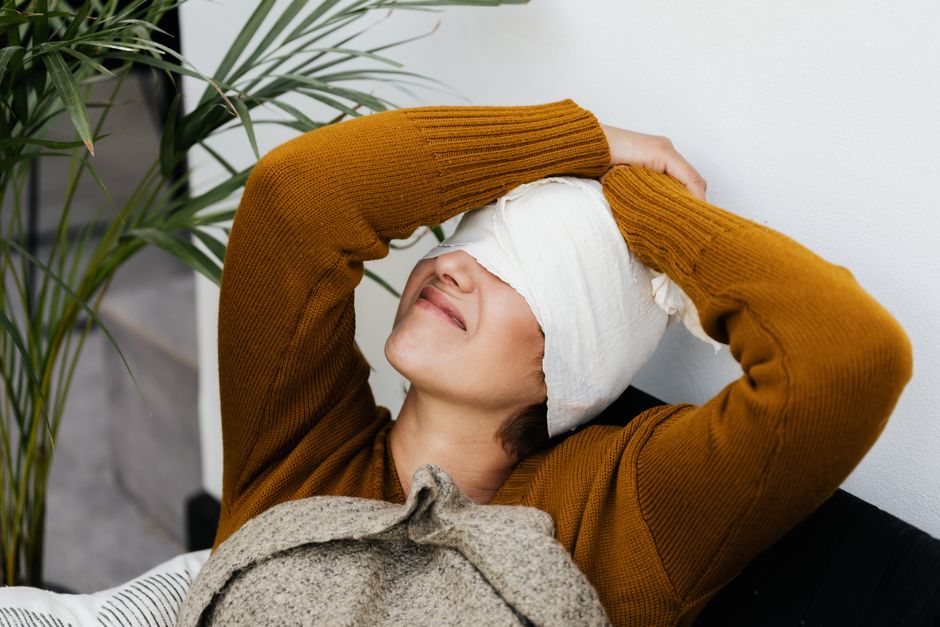
A boil with no head is a skin infection that has not yet come to a surface point. Trying to “bust” it by squeezing or cutting it open is unsafe and can make the infection worse. The safe and effective approach is to apply warm compresses to help the boil come to a head and drain on its own.
What Is a Boil and Why Does It Form Without a Head?
A boil is a deep infection of a hair follicle, usually caused by Staphylococcus aureus bacteria. The body sends white blood cells to fight the infection, and pus builds up under the skin. When the pus collects close to the surface, a whitish-yellow head forms. But sometimes the infection stays deeper, and no visible head appears.
This happens when the body has not yet pushed the pus upward, or when the infection is in a thicker area of skin. A boil without a head can feel like a hard, red, tender lump. It may be painful to the touch. The skin around it is often warm and swollen.
Knowing this helps you understand why forcing it open is harmful. Squeezing or cutting can push bacteria deeper into your tissue or spread the infection into your bloodstream.
How To Bust A Boil With No Head? (The Safe Method)
The only safe way to “bust” a boil with no head is to encourage it to open naturally. You do this with moist heat.
Soak a clean washcloth in warm water—not hot enough to burn your skin. Wring it out slightly and place it directly on the boil for 10 to 15 minutes. Repeat this 3 to 4 times a day. The warmth increases blood flow to the area, which brings more infection-fighting cells to the site. It also softens the skin, helping the pus rise to the surface.
After a few days, the boil may develop a head and drain on its own. Once it drains, keep the area clean, cover it with a dry bandage, and wash your hands thoroughly. Do not squeeze or poke the boil even after it opens. Let it drain completely.
There is no proven way to speed up this process beyond consistent warm compresses. Some sources suggest using a warm tea bag or Epsom salt soak, but these lack strong evidence. Warm water alone is effective and safe.
Other Home Treatments: What Works and What Doesn’t
Several home remedies are commonly mentioned, but evidence for most is weak. Here is what the research shows:
- Warm compresses: Supported by clinical practice. Moist heat helps bring boils to a head.
- Over-the-counter antibiotic ointments: These do not penetrate deep enough to treat a boil. They are only useful after the boil drains to prevent surface infection.
- Tea tree oil: Some lab studies show it kills bacteria, but no good human studies confirm it treats boils. It can also irritate skin if undiluted.
- Turmeric: In theory, curcumin has anti-inflammatory properties. No clinical trials show turmeric works on boils.
- Drawing salves (ichthammol): Some clinicians recommend them to bring a boil to a head, but evidence is limited. Use only as directed and stop if irritation occurs.
The most reliable approach remains heat and patience. Do not apply any substance to a boil that is not draining unless you know it is safe for broken skin.




Why You Should Never Squeeze or Pop a Boil Without a Head
Popping any boil at home is risky, but doing it when there is no head is even more dangerous. The infection is deep, and squeezing can rupture the protective wall your body has built around it. This can release bacteria into surrounding tissue, causing a larger abscess or cellulitis.
In rare cases, the infection can enter the bloodstream and lead to sepsis. Sepsis is a life-threatening emergency.
Another risk is that a boil that is not mature may contain deeper tracts of infection (called sinus tracts). Blindly cutting or squeezing can miss these and leave infection behind, leading to recurrence.
The only person who should “lance” a boil is a healthcare provider, using sterile tools in a clean setting. Do not attempt this yourself.
When to See a Doctor for a Boil With No Head
Most boils heal within 1 to 2 weeks with warm compresses. But see a doctor if any of the following apply:
- The boil does not show signs of draining after 5 to 7 days of warm compresses.
- The boil is larger than a walnut (about 5 cm across).
- You have a fever, chills, or red streaks spreading from the boil.
- The pain becomes severe or the area feels hot to the touch.
- You have diabetes, a weakened immune system, or recurring boils.
- The boil is on your face, spine, or groin—areas where infection can spread more easily.
A doctor may drain the boil with sterile equipment or prescribe antibiotics if the infection is extensive or you have systemic symptoms. Do not delay care if you have a fever or red streaks—these are signs of spreading infection.
How to Prevent Future Boils
Boils often recur in people who carry Staph bacteria on their skin. Good hygiene reduces the risk:
- Wash your hands frequently, especially after touching a boil.
- Keep cuts and scrapes clean and covered.
- Do not share towels, razors, or clothing.
- Wash bedding and towels in hot water if you have an active boil.
- Consider using an antiseptic body wash (such as chlorhexidine or benzoyl peroxide) if boils are recurrent, but ask your doctor first.
For people with frequent boils, doctors sometimes recommend a short course of antibiotic ointment in the nose (where bacteria often live) or a dilute bleach bath. These measures have evidence behind them but should be discussed with a healthcare provider, not self-started.
Frequently Asked Questions
Can I pop a boil with no head?
No. Popping a boil with no head can push bacteria deeper and worsen the infection. Only a doctor should lance a boil.
How long does it take for a boil to come to a head?
With regular warm compresses, most boils develop a head within 5 to 7 days. Some take longer depending on the size and depth of the infection.
What draws the pus out of a boil naturally?
Moist heat is the most effective natural method. It increases blood flow and softens the skin, allowing pus to rise and drain on its own.
Is it safe to use a drawing salve on a boil?
Some drawing salves like ichthammol are used in clinical practice, but evidence for their effectiveness is limited. Follow package directions and stop if irritation occurs.
