
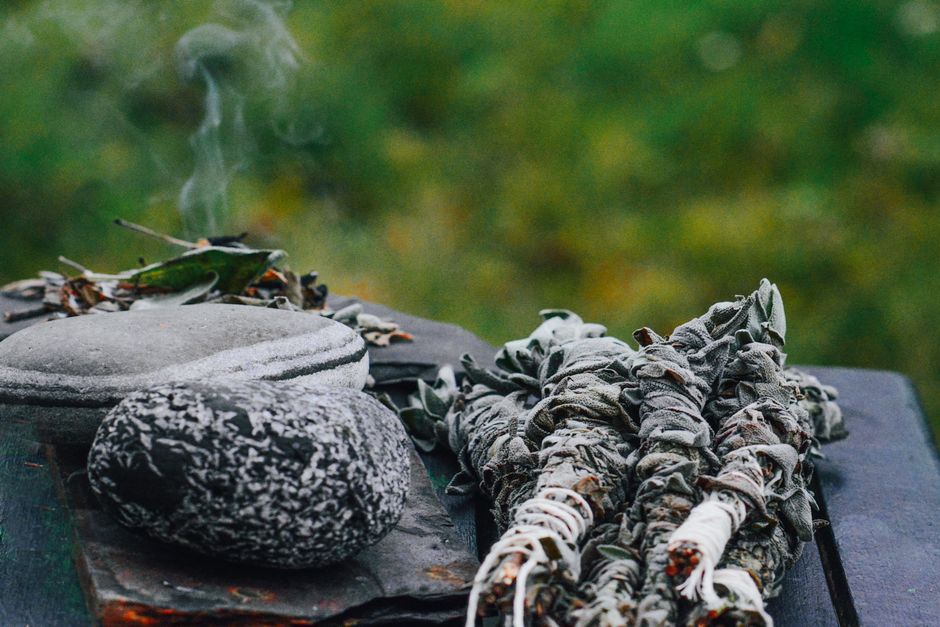
Burning sage leaves is a practice with deep roots in many cultures. It involves lighting dried sage and letting the smoke cleanse a space or object. To do it, you light the end of a sage bundle, let it catch fire briefly, then blow it out so it smolders and produces smoke.
What Is Sage Burning and Where Does It Come From?
Sage burning is often called smudging. The practice involves burning dried herbs, most commonly white sage, to create smoke. People use this smoke for spiritual cleansing, meditation, or simply to freshen a room.
The tradition has origins in Indigenous cultures of North America. Many Native American tribes have used sage and other plants in ceremonial cleansing for centuries. The word “smudging” itself comes from these traditions.
It is important to understand the cultural context. White sage is sacred to several Indigenous tribes. Its popularity has grown far beyond those communities. This has led to concerns about overharvesting and cultural appropriation.
There are many types of sage. Common garden sage is different from white sage. White sage is the variety most often sold for burning. You can also burn other herbs like cedar, sweetgrass, or lavender. Each has its own scent and traditional use.
How To Burn Sage Leaves: A Step-by-Step Guide
Start with a proper setup. You need a fire-safe container. An abalone shell is traditional, but a ceramic bowl or metal dish works just as well. The container catches falling ash and embers.
Open a window before you begin. Smoke needs a path to leave the room. This is both practical and symbolic in many traditions.
Light the tip of the sage bundle with a match or lighter. Let the flame burn for about 15 to 20 seconds. The leaves will catch fire. Blow out the flame. The bundle should now smolder and release a steady stream of smoke.
Hold the bundle over your fire-safe container. Use a feather or your hand to waft the smoke around the space. Move through each room slowly. Pay attention to corners, doorways, and windows. Many people focus the smoke on these areas.
When you are finished, press the burning end into the container. Make sure it is completely out. You can also dip it in sand or water. Never leave a smoldering bundle unattended.
Store the cooled bundle in a dry place. You can reuse it until it is fully burned down.
What Are the Health Benefits of Burning Sage?
This is where marketing often gets ahead of science. Many sellers claim sage smoke purifies the air, kills bacteria, or improves mood. The evidence for these claims is limited.
Some research has looked at the antimicrobial properties of burning herbs. Certain studies have found that smoke from medicinal plants can reduce bacteria in the air. However, these studies are small and mostly not recent. They do not prove that sage smoke cleans a room the way a filter or disinfectant would.
There is also no solid evidence that sage smoke has measurable effects on mood or mental health. People often report feeling calmer after smudging. This could come from the ritual itself, the scent, or the focused breathing involved. That does not mean the effect is not real, but it is not well studied.
One area with some support is aromatherapy. The scent of burning sage is strong and earthy. Some people find it grounding or relaxing. This is a personal response, not a guaranteed clinical effect.
Be honest with yourself about what you expect. If you enjoy the ritual and the smell, that is reason enough. If you expect it to purify your air like a HEPA filter, you will be disappointed.
What Are the Risks of Burning Sage?
Burning any plant material produces smoke. Smoke contains fine particles and chemicals. Inhaling any smoke can irritate your lungs.
This is a real concern for people with asthma, allergies, or other respiratory conditions. Smoke exposure can trigger coughing, wheezing, or shortness of breath. If you have a lung condition, talk to your doctor before burning sage indoors.
Children and pets are also more vulnerable. Their airways are smaller and they breathe faster relative to their size. Avoid burning sage around infants, young children, or pets like birds and small mammals.
Fire risk is another consideration. Sage bundles stay hot while smoldering. Always use a fire-safe container. Keep the bundle away from curtains, paper, and flammable materials. Never leave burning sage unattended.
Pregnant women should also be cautious. Inhaling smoke of any kind during pregnancy is not recommended. There is no research on the safety of sage smoke specifically during pregnancy. The cautious choice is to avoid it.
White Sage and Sustainability Concerns
White sage has become a commercial product. The demand has grown faster than the plant can naturally replenish. This has raised real concerns about wild white sage populations.
White sage grows naturally in a limited region of Southern California and Baja California. It is not a widely cultivated crop. Much of the white sage sold commercially is wild-harvested.
Some Indigenous groups have spoken out about this. They point out that white sage is sacred and that commercial harvesting threatens wild stands. They also note that buying white sage from non-Indigenous sellers often does not benefit Native communities.
If you want to burn sage, consider alternatives. Garden sage is easier to find and more sustainably grown. You can also grow your own sage at home. Other herbs like rosemary, thyme, or lavender can be bundled and burned in a similar way.
If you do buy white sage, look for sources that state it is cultivated rather than wild-harvested. Ask the seller where it comes from. Support Indigenous-owned businesses when possible.
How Often Should You Burn Sage?
There is no standard frequency. How often you burn sage depends entirely on your personal preference and tradition. Some people smudge daily. Others do it weekly, monthly, or only on special occasions.
Listen to your body. If the smoke bothers your throat or lungs, stop. There is no benefit that outweighs respiratory irritation.
If you are burning sage for a specific purpose, like after a stressful event or when moving into a new home, one session may be enough. You can always repeat the practice if it feels right to you.
More frequent burning does not mean more benefit. The evidence does not support a dose-response relationship. In other words, burning more sage does not clean more air or provide more mood benefit.
Frequently Asked Questions
Can I burn sage leaves from my garden?
Yes, if you have common garden sage it can be dried and burned. Garden sage is not the same as white sage but it produces a similar smoke and is more sustainable.
Is burning sage safe for pets?
Smoke of any kind can irritate pets, especially birds and small mammals. Keep pets in a well-ventilated area away from the smoke or skip the practice entirely.
How do I put out a sage bundle safely?
Press the burning end firmly into a fire-safe container filled with sand or ash. You can also run the end under water, but make sure it is completely dry before you store it.
Does burning sage actually clean the air?
No reliable evidence confirms that sage smoke purifies indoor air. Smoke can reduce some airborne bacteria in certain studies, but it does not filter the air and may add harmful particles.
