
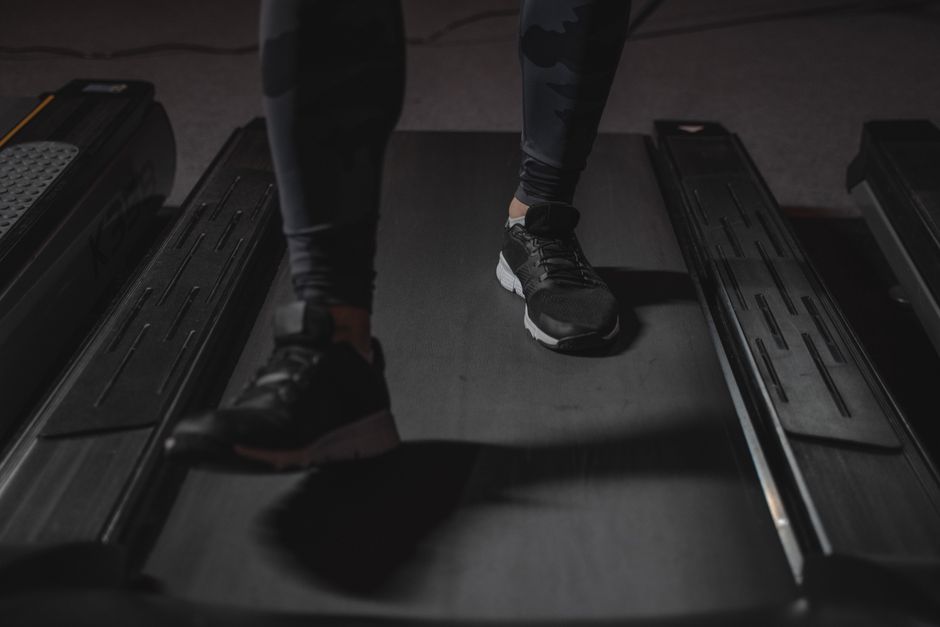
A treadmill can be an effective tool for burning fat, but only when you use it with the right approach. Walking or running at a steady pace works, but adding intervals and managing your effort level can make a bigger difference. The key is balancing how hard you work, how long you exercise, and what you do when you step off the machine.
How Does Treadmill Exercise Actually Burn Fat?
Your body uses two main fuel sources during exercise: carbohydrates and fat. The ratio depends on how hard you are working. At lower intensities, like a brisk walk, your body burns a higher percentage of fat relative to carbs. At higher intensities, like sprinting, carbs become the primary fuel.
This does not mean slow walking is the best fat-burning strategy. Total calories burned matters more than the percentage of fat used at any single moment. A high-intensity session burns more total calories, which creates a larger energy deficit. Over time, that deficit is what reduces body fat.
There is also the afterburn effect. High-intensity interval training can keep your metabolism elevated for hours after you finish. Steady-state cardio also raises metabolism, but the effect is typically smaller and shorter-lived.
What Is the Best Treadmill Workout for Fat Loss?
Interval training is consistently shown to be effective for fat loss in research. A common approach is alternating between a hard effort and an easy recovery. For example, run at a pace that feels challenging for 60 seconds, then walk for 90 seconds. Repeat that cycle for 20 to 30 minutes.
This method works because it allows you to do more high-quality work in less time. You push hard enough to burn calories and stress your cardiovascular system, but the recovery periods let you catch your breath so you can repeat the effort.
Steady-state cardio still has a place. A 45-minute walk at an incline burns a respectable number of calories and is much easier to recover from. You can do it more often without feeling worn out. Many people benefit from combining both styles across the week.
What Pace and Incline Should You Use?
There is no single correct speed or incline because fitness levels vary widely. The right effort level is more important than the numbers on the display. A moderate effort means you can speak in short sentences but not hold a full conversation. A vigorous effort means talking is difficult.
For steady-state sessions, a brisk walking pace with a 2 to 4 percent incline is a reasonable starting point for most people. For interval sessions, the hard intervals should feel like an 8 or 9 on a scale of 1 to 10. The recovery intervals should feel like a 3 or 4.
Incline is a useful tool because it increases the work without requiring more speed. This is especially helpful for people with joint concerns who cannot run comfortably. Walking uphill at a moderate pace can elevate your heart rate into a range that produces meaningful calorie burn.





How Long Should You Exercise to Burn Fat?
The American College of Sports Medicine recommends at least 150 minutes of moderate-intensity aerobic activity per week for general health. For weight loss, more is often needed. Some research suggests 200 to 300 minutes per week may be necessary to achieve significant weight loss and prevent regain.
That sounds like a lot, but it breaks down to about 30 to 45 minutes most days of the week. You do not need to do it all at once. Shorter sessions still count toward your weekly total.
For intervals, quality matters more than duration. A 20-minute interval session can be more effective than a 40-minute steady walk for improving fitness and burning calories in the hours after exercise. If you are short on time, intervals are an efficient option.
How Important Is Diet Compared to Treadmill Work?
Exercise alone rarely produces large weight loss. Research consistently shows that diet has a bigger impact on body weight than exercise. This is because creating a calorie deficit through food is much easier than out-exercising a poor diet.
For example, a 30-minute treadmill run might burn around 300 calories. A single fast-food meal can easily contain 1,000 calories or more. You would need to run for over an hour to offset one meal.
This does not mean treadmill exercise is pointless. It improves cardiovascular fitness, preserves muscle mass during weight loss, and helps maintain the weight you lose. But if your goal is fat loss, you need to address your food intake alongside your exercise routine.
What Mistakes Prevent Fat Loss on a Treadmill?
Holding onto the handrails is one of the most common mistakes. Gripping the rails reduces the work your legs have to do, which lowers calorie burn. It also changes your posture and can strain your shoulders. Walk or run without holding on whenever you can.
Another mistake is doing the same workout every day. Your body adapts to a repeated stimulus, and the workout becomes less challenging over time. Progressively increase your speed, incline, or interval intensity as you get fitter.
Relying on the treadmill’s calorie display is also problematic. These estimates are often inaccurate and can overestimate how much you burned by 20 to 30 percent. Use the number as a rough guide, not a precise measurement.
Finally, skipping strength training is a missed opportunity. Muscle tissue burns more calories at rest than fat tissue. Building or preserving muscle through resistance training supports your metabolism and makes fat loss easier to maintain.
How Fast Will You See Results?
Results depend heavily on your starting point, consistency, and diet. A reasonable expectation is 1 to 2 pounds of fat loss per week when you maintain a consistent calorie deficit. Faster loss is possible but often includes water weight and muscle loss.
You may notice improvements in fitness before you see changes in the mirror. You might be able to run longer, recover faster between intervals, or handle a steeper incline within two to three weeks. Visible body composition changes typically take four to eight weeks of consistent effort.
Do not judge progress by the scale alone. Muscle weighs more than fat by volume. If you are gaining muscle while losing fat, the scale might stay the same even though your body is changing. Clothing fit and waist measurements are useful additional indicators.
Should You Use a Fat-Burning Heart Rate Zone?
Fitness equipment often displays a “fat burning zone” based on heart rate. This zone is typically around 60 to 70 percent of your maximum heart rate. It is true that your body uses a higher percentage of fat for fuel in this zone. But total calorie burn is lower than at higher intensities.
For fat loss, total calories burned matters more than the fuel source during exercise. A higher-intensity workout burns more calories overall, even if a smaller percentage comes from fat. The fat-burning zone is not wrong, but it is not superior for weight loss.
Heart rate training can still be useful for pacing. It helps you ensure you are working hard enough to get a training effect. A simple formula for estimating your maximum heart rate is 220 minus your age. This is an estimate, not a precise measurement.
Frequently Asked Questions
How many days a week should I use the treadmill to burn fat?
Most people see good results with three to five sessions per week. Consistency matters more than doing a perfect workout once a week.
Is walking or running better for burning belly fat?
You cannot target fat loss from one specific area of your body. Both walking and running can reduce overall body fat, which will eventually include belly fat.
Should I use the treadmill before or after weight training?
Do the workout that matters most for your goal first. If fat loss is your priority, either order works as long as you complete both sessions with good quality.
Can I burn fat on a treadmill every day?
Daily exercise is safe for most people, but high-intensity sessions every day can lead to overuse injuries. Alternate hard days with easier walks or rest days.
