
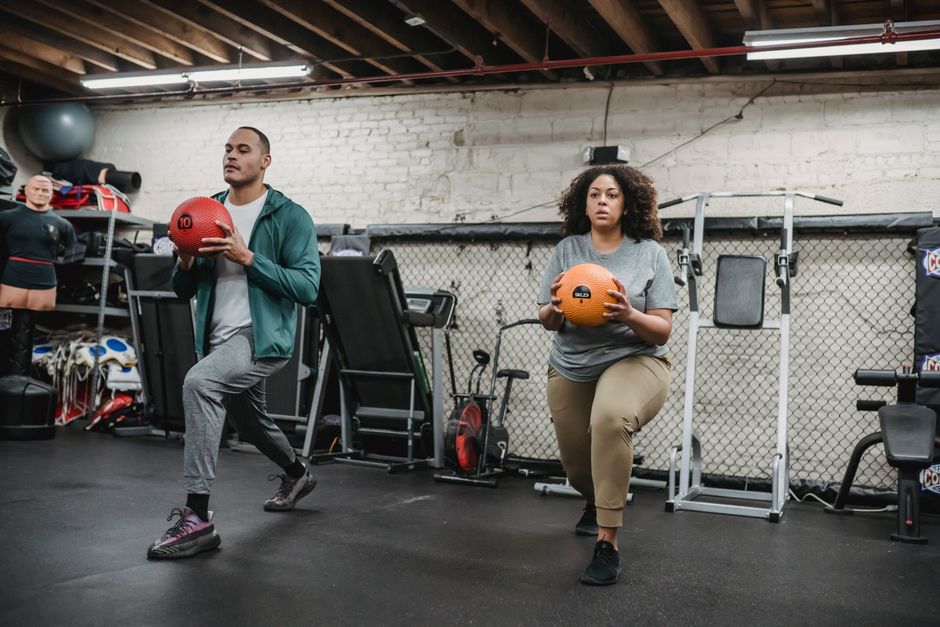
Burning 1000 calories a day is possible for many people, but it is not a small goal. It is roughly half the daily calorie needs of a moderately active adult woman and about a third of the needs of a moderately active adult man. Reaching it usually means combining deliberate exercise with the calories your body already burns just by staying alive.
The math matters more than the effort. Your body burns most of its daily calories at rest, through basic functions like breathing and keeping your heart beating. Exercise adds to that number. So the real question is how much activity it takes to close the gap, and whether that level of activity is realistic and safe for you.
How Many Calories Does Your Body Burn Without Exercise?
Most of your daily calorie burn happens whether you move or not. This is called your resting metabolic rate, and it covers breathing, circulation, cell repair, and brain activity. For most adults it accounts for the majority of total daily energy use.
A rough way to estimate it is to multiply your body weight in pounds by about 10. A 180-pound person would land near 1,800 calories a day at rest. This is an estimate, not a precise measurement. Body composition matters — muscle tissue burns more at rest than fat tissue — and so do age, sex, and genetics.
That resting burn is the reason 1000 calories of exercise is not the same as 1000 calories of total burn. If your body already uses 1,800 calories a day at rest, adding 1000 calories of activity roughly doubles your output. That is a large jump, and it explains why this target suits some people and overwhelms others.
How To Burn 1000 Calories A Day Through Exercise
No single workout is required. The 1000-calorie target is usually reached by stacking activity across the day rather than grinding through one long session. How long it takes depends heavily on your body weight, fitness level, and intensity.
Heavier people burn more calories for the same activity because moving more mass takes more energy. A 200-pound person will burn more walking a mile than a 130-pound person will. This is well established in exercise physiology and is why calorie estimates are always personal.
Here is a general picture of how different activities compare. The figures below are approximate ranges for a person around 155 pounds and will vary with weight and effort:
- Walking briskly: roughly 300 to 400 calories per hour
- Jogging: roughly 500 to 600 calories per hour
- Cycling at a moderate pace: roughly 400 to 500 calories per hour
- Swimming laps: roughly 400 to 600 calories per hour
- Jumping rope: roughly 600 to 700 calories per hour
- Rowing machine: roughly 400 to 500 calories per hour
Notice that even jogging for an hour gets you only partway to 1000. Reaching the full target through exercise alone typically means one to two hours of sustained activity, or several shorter sessions spread through the day. That is a real commitment, and it is worth being honest about.
Can You Reach 1000 Calories Without Hours of Hard Exercise?
Yes, for many people, by using the calories you burn all day rather than only in the gym. This is where the concept of daily movement matters. The energy you use walking to the store, taking stairs, cleaning, and standing adds up in ways people often underestimate.
One clarification worth knowing: the old idea that you can hit a neat “10,000 steps” figure and reliably burn a set number of calories is a rough rule, not a precise measurement. Step counts and calorie burn vary widely between people. What is solid is the direction — more movement across the day raises total burn.
A practical way to build toward 1000 is to split it into pieces. A morning walk, an afternoon workout, and everyday activity can combine into a large total without any single exhausting session. For someone already fairly active, this is often more sustainable than one long workout.
Is Burning 1000 Calories a Day Safe for Everyone?
No. This target is not appropriate for everyone, and it should be treated with care. The safety of burning 1000 calories a day depends on your starting point, your health, and how much you eat.
The main risk is not the exercise itself but the gap it creates. If you burn 1000 extra calories through activity but do not eat enough to cover your basic needs, you can end up in a large calorie deficit. Over time that can lead to fatigue, poor recovery, muscle loss, and disrupted hormones. This is a real concern, not a minor one.
Some people should not pursue this target without medical guidance:
- People with heart conditions or uncontrolled high blood pressure
- People with joint problems or prior injuries
- People who are pregnant or breastfeeding
- People with a history of disordered eating
- Anyone new to exercise who jumps straight to extreme volumes
No clinical guidelines set a universal safe ceiling for daily calorie burn, because it depends on the individual. The general clinical direction is to increase activity gradually and to eat enough to support the work. If you have a health condition, talk to a doctor before aiming for a number this high.
Does Burning 1000 Calories a Day Lead to Weight Loss?
Weight loss depends on the balance between calories eaten and calories burned, not on the burn number alone. Burning 1000 calories a day only leads to weight loss if it puts you in a calorie deficit — meaning you burn more than you eat.
Here is the part many people miss. The body adapts. As you lose weight, your resting burn tends to drop, and some people become less active in other parts of the day without noticing. This is sometimes called compensatory behavior, and it can shrink the deficit you worked hard to create. The evidence on how large this effect is varies between studies, but the phenomenon is real.
That does not mean exercise is pointless for weight. It clearly helps, and it supports heart health, blood sugar control, and mood regardless of the scale. But framing 1000 calories as a guaranteed path to weight loss would be inaccurate. Food intake still does most of the work.
What Is the Best Way to Build Up to 1000 Calories?
Start lower than you think and add activity over weeks, not days. Jumping from little activity to 1000 calories of daily burn is a common way to get injured or burned out. A gradual build gives your body time to adapt.
A reasonable approach is to first establish a consistent baseline, then increase volume and intensity in steps. Mixing activities helps — some cardio, some strength work, and everyday movement. Strength training matters because it supports muscle, and muscle contributes to resting burn, though the effect on total daily calories is often overstated in fitness marketing.
Watch for signs you are overdoing it: persistent fatigue, poor sleep, lingering soreness, or a rising resting heart rate. These are signals to pull back. Recovery is part of the process, not a break from it.
Common Myths About Burning 1000 Calories
Several popular claims about calorie burn do not hold up. Knowing them can save you wasted effort and disappointment.
Myth: Exercise machines give exact calorie counts. They give estimates. Machine readouts often run high because they do not account for your individual metabolism, and they can overstate burn by a meaningful margin.
Myth: Sweating more means burning more. Sweat is your body cooling itself, not a measure of calories used. You can sweat heavily in heat while burning little, and barely sweat during a hard effort in cool air.
Myth: You can out-exercise a bad diet. It is far easier to eat several hundred calories than to burn them. This is a well-established point in weight science, not a moral judgment.
Myth: Spot exercises burn fat from one area. Working your abs does not preferentially burn belly fat. Fat loss happens across the body based on genetics and overall energy balance.
How Should You Eat If You Are Burning 1000 Calories a Day?
Eating enough is as important as moving enough. When you raise your activity this much, your calorie and nutrient needs rise too. Undereating while training hard is a recipe for poor recovery and stalled progress.
Focus on enough protein to support muscle repair, enough carbohydrate to fuel activity, and enough total calories to avoid an excessive deficit. There is no single correct diet for this, and specific calorie targets should come from your own needs rather than a generic number.
Hydration matters more than many people expect, especially with high-volume activity. Drink to thirst and adjust for heat and sweat. If you are unsure how much to eat for this level of activity, a registered dietitian can help set a plan that fits your body and goals.
Frequently Asked Questions
How long does it take to burn 1000 calories a day?
For most people it takes one to two hours of sustained moderate to vigorous activity, or several shorter sessions spread through the day. Body weight and intensity change the time significantly.
Can you burn 1000 calories by walking?
Yes, but it usually requires a long walk or many steps across the day, since walking burns fewer calories per hour than jogging or cycling. Most people need several hours of walking to reach 1000 calories through walking alone.
Is it safe to burn 1000 calories every day?
It can be safe for some healthy, well-fed, experienced exercisers, but it is not appropriate for everyone. People with health conditions, who are pregnant or breastfeeding, or who have a history of disordered eating should get medical guidance first.
Do you need to burn 1000 calories a day to lose weight?
No. Weight loss depends on being in a calorie deficit overall, which can come from a smaller amount of activity combined with eating less. Burning 1000 calories a day is not required.
