
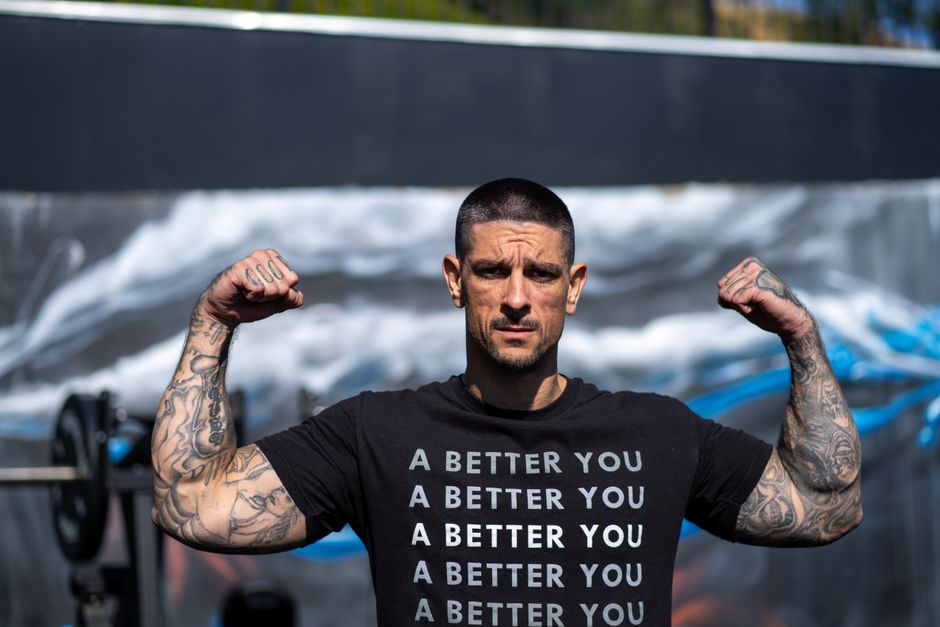
Building muscle and losing fat at the same time is possible, but it is not easy, and it does not happen quickly. The process is called body recomposition. It requires eating enough protein, lifting weights regularly, sleeping well, and staying in a small calorie deficit or near maintenance. People new to training, people returning after a long break, and people with more body fat tend to see the best results.
How To Build Muscle And Lose Fat At The Same Time?
Your body can build muscle and burn fat at the same time because these two processes use different fuel sources and different signals. Muscle growth is driven mainly by resistance training and protein intake. Fat loss is driven mainly by an energy deficit — burning more calories than you eat.
When you eat slightly fewer calories than you burn, your body pulls energy from stored fat. When you lift weights, your muscles receive a signal to repair and grow. These signals can run at the same time, especially in people who are not already lean and highly trained.
The catch is that the two goals pull in opposite directions. Building muscle generally works better with extra calories. Losing fat requires fewer calories. Recomposition asks your body to do both with a narrow margin for error. That is why progress is slower than focusing on one goal at a time.
Who responds best to body recomposition
- People new to strength training
- People returning to training after a long layoff
- People with a higher starting body fat percentage
- People who carry more stored energy to fuel muscle growth
Trained lifters with low body fat have a harder time. Their bodies are already efficient at both tasks, and the margin for simultaneous progress narrows. For them, separate phases of building and cutting often work better.
Do You Need a Calorie Deficit or Surplus?
For most people attempting recomposition, the sweet spot is a small calorie deficit — roughly 10 to 20 percent below maintenance — or eating right around maintenance. A large deficit makes it hard to build muscle because the body lacks the energy and raw materials to repair tissue. A large surplus makes it hard to lose fat because you are storing more energy than you burn.
Maintenance calories are the amount you eat to stay at the same weight. You can estimate this with an online calculator, then adjust based on what the scale and mirror show over two to three weeks.
Protein matters more than any other nutrient here. Research generally supports intakes in the range of 1.6 to 2.2 grams of protein per kilogram of body weight per day for people trying to build muscle. For a 180-pound person, that is roughly 130 to 180 grams per day. Higher intakes are not harmful for most healthy people, but they do not appear to add extra muscle-building benefit.
Carbohydrates fuel hard training. Fats support hormone production. Neither needs to be eliminated. The total calorie number and the protein number do most of the work.
What Kind of Training Actually Builds Muscle?
Resistance training is the signal your body needs to keep muscle while losing fat. Without it, a calorie deficit mostly causes you to lose a mix of fat and muscle. With it, you protect and sometimes add muscle.
The key variables are progressive overload, adequate volume, and consistency. Progressive overload means gradually asking your muscles to do more over time — more weight, more reps, or more sets. If your training never gets harder, your body has no reason to adapt.
Compound lifts like squats, deadlifts, bench presses, rows, and overhead presses train large amounts of muscle at once. They are efficient, but isolation exercises for smaller muscles also have a place.
Training each major muscle group roughly two times per week is a common and well-supported approach. Total weekly volume — the number of hard sets per muscle group — matters more than any single workout. Some research suggests around 10 to 20 sets per muscle group per week supports growth in trained individuals, though the ideal number varies by person and training age.
Cardio has a role too. It burns calories and supports heart health. But too much intense cardio can interfere with recovery and muscle growth. Moderate amounts — a few sessions per week — usually fit fine alongside lifting.





Why Sleep and Recovery Matter More Than Most People Think
Muscle is not built in the gym. It is built while you rest. Training creates damage and stress. Recovery turns that stress into growth.
Sleep is when most muscle repair happens. Short sleep raises cortisol, reduces testosterone, and impairs recovery. Studies have consistently linked poor sleep to worse muscle-building outcomes and higher body fat. Most adults need seven to nine hours per night.
Stress outside the gym matters too. Chronic stress raises cortisol, which can promote fat storage and break down muscle. This is not a reason to panic about everyday stress. It is a reason to treat sleep, rest days, and stress management as part of the program, not extras.
How Long Does Body Recomposition Take?
Recomposition is slow. Visible changes usually take several weeks to a few months. Meaningful muscle gain and fat loss together often take six months or longer, depending on your starting point, training experience, and how closely you follow the plan.
People new to training sometimes see faster early progress. More experienced lifters see slower changes and may need to accept that the scale barely moves while their body composition shifts.
The scale is a poor measure on its own. Muscle is denser than fat, so you can lose fat and gain muscle while your weight stays the same. Track progress with photos, tape measurements, how clothes fit, and strength in the gym. Those signals often show change before the scale does.
Common Mistakes That Stall Progress
Most stalled recomposition attempts come down to a few fixable problems.
- Eating too few calories, which costs muscle and energy
- Not eating enough protein
- Training without progressing weight or reps over time
- Doing so much cardio that recovery suffers
- Sleeping too little
- Changing the plan every two weeks before it has a chance to work
Another common mistake is chasing both goals too aggressively at once. A large deficit plus heavy training plus daily hard cardio is a recipe for burnout, injury, and muscle loss. A moderate approach that you can sustain for months beats an extreme one you quit in three weeks.
Should You Bulk and Cut Instead?
For some people, separate phases work better than trying to do both at once. A bulk means eating slightly more to build muscle, accepting some fat gain. A cut means eating less to lose fat, accepting some muscle risk. Alternating these phases is a long-standing approach in strength training.
Recomposition tends to suit beginners, people with more body fat, and anyone who does not want to gain weight. Bulking and cutting tends to suit experienced lifters who want to maximize muscle gain or reach very low body fat.
Neither approach is universally better. The right choice depends on your training experience, current body composition, and what you can stick with. Consistency over months matters more than which method you pick.
Frequently Asked Questions
Can you really build muscle and lose fat at the same time?
Yes, this is called body recomposition, and it is well documented in beginners, people returning to training, and people with higher body fat. It is harder for lean, experienced lifters, who often do better with separate phases.
How much protein do you need to build muscle while losing fat?
Research generally supports about 1.6 to 2.2 grams of protein per kilogram of body weight per day for muscle growth. For a 180-pound person, that is roughly 130 to 180 grams daily.
How long does it take to see results from body recomposition?
Visible changes usually take several weeks to a few months, and meaningful results often take six months or longer. Progress depends on your starting point, training experience, and consistency.
Do you need a calorie deficit to lose fat while building muscle?
A small deficit of about 10 to 20 percent below maintenance, or eating near maintenance, works best for most people. A large deficit makes it harder to build muscle because the body lacks energy to repair tissue.
