
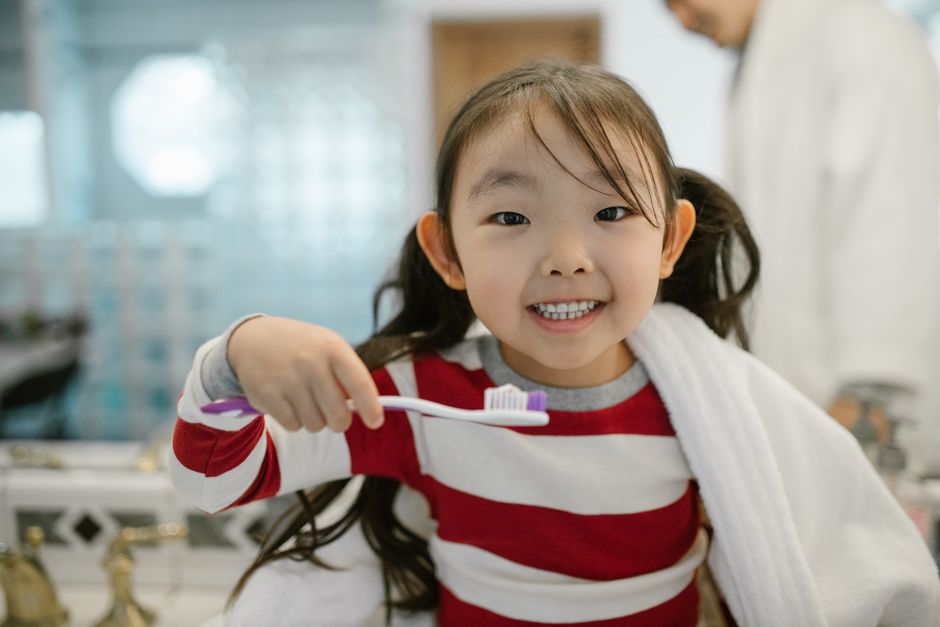
Brushing a two-year-old’s teeth can feel like a wrestling match, but it does not have to be. The short answer is: use a soft-bristled toothbrush with a smear of fluoride toothpaste the size of a grain of rice, brush the front and back surfaces of every tooth using small circles, and do it twice a day for two minutes. You will need to do the brushing yourself at this age because a toddler does not have the manual skill to do a thorough job. Here is the step-by-step method that pediatric dentists recommend, plus what to do when your child fights it.
How To Brush A 2 Year Olds Teeth Step By Step
Start by gathering your supplies before you bring the child anywhere near the sink. You need a soft-bristled toothbrush designed for toddlers, fluoride toothpaste, and a cup of water. Sit down somewhere comfortable, or stand behind your child in front of a mirror so they can see what is happening.
Place a smear of toothpaste on the brush — about the size of a grain of rice. This amount is the official recommendation for children under three because it is enough to prevent cavities but small enough to minimize the risk of swallowing too much fluoride.
Gently lift your child’s lip to see the gum line. Angle the bristles toward the gum line at a 45-degree angle and brush in small, circular motions. Work through the outside surfaces of all teeth first, then the inside surfaces, then the chewing surfaces. Finish by brushing the tongue lightly to remove bacteria and freshen breath.
Spit out the excess toothpaste. Rinsing with water is optional — many pediatric dentists say skipping the rinse lets the fluoride keep working, but a quick rinse is fine if your child insists. Do not let your child eat or drink for at least 30 minutes afterward to let the fluoride do its job.
What Position Works Best For Brushing A Toddler’s Teeth
Position matters more than most parents realize. The classic knee-to-knee position works well for two-year-olds.
Sit facing another adult, each on a chair. Lay your child across both of your laps with their head in one adult’s lap and their feet in the other. This position gives you a clear view of the mouth and keeps little hands from grabbing the brush.
If you are brushing alone, sit on the floor with your child sitting in front of you, their back against your chest. Tilt their head back slightly and rest it against your shoulder. This gives you access to all surfaces and keeps them from squirming away.
Some parents find that standing behind the child in front of a bathroom mirror works best. The child watches themselves in the mirror, which keeps them distracted, and you can see exactly what you are doing. Try a couple of positions and use whichever works for your child on any given day.
How Much Toothpaste Should A 2 Year Old Use
Use a grain-of-rice-sized smear of fluoride toothpaste. This is the established guideline from pediatric dental organizations for children under three.
Fluoride is safe in this amount and is the single most effective ingredient for preventing cavities. The concern about fluoride is real but applies to much larger amounts swallowed over time. A rice-sized smear contains roughly the same amount of fluoride that is already in a glass of fluoridated water.
If your drinking water is not fluoridated, talk to your pediatrician or pediatric dentist. They may recommend a fluoride supplement, but do not add extra toothpaste on your own. More fluoride is not better and can cause a condition called fluorosis — white spots on the developing permanent teeth.





What To Do When Your Toddler Refuses To Brush
Refusal is normal. Two-year-olds are learning independence and control, and the mouth is one of the few places they can assert it. The goal is to make brushing a non-negotiable routine, not a daily battle.
Let your child hold the toothbrush first and “brush” their own teeth while you watch. Then say, “My turn now,” and take over for the actual cleaning. This gives them a sense of control while ensuring the teeth actually get brushed.
Try a few practical strategies that pediatric dentists commonly recommend:
- Brush your own teeth at the same time so they can copy you.
- Let them pick their toothbrush color or character design at the store.
- Sing a two-minute song or play a short video while brushing.
- Use a toothbrush that lights up or plays music for the recommended time.
- Brush in front of a mirror so they can watch themselves.
If your child clamps their mouth shut, do not force the brush in. Wait a moment, then try again. Some parents find that brushing while the child lies down on the floor or bed works because they cannot turn away as easily.
Never use a toothpaste flavor your child hates. Mint can be too strong for toddlers. Mild fruit flavors are often more acceptable, but check that the toothpaste contains fluoride. Some “natural” toddler toothpastes do not, and they will not protect against cavities the same way.
When Should Your Child See A Dentist
The American Academy of Pediatric Dentistry recommends that children see a dentist by their first birthday, or within six months of the first tooth erupting. If your two-year-old has not seen a dentist yet, schedule the appointment now.
The first visit is mostly about getting the child comfortable and giving parents guidance. The dentist will check for early signs of decay, assess the bite, and review your home care routine. It is not usually a full cleaning at this age.
Regular visits every six months are the standard recommendation. Early visits also build familiarity so the dentist is not scary later.
If you notice white spots on your child’s teeth, brown spots, or obvious holes, do not wait for the six-month checkup. These can be early signs of tooth decay and need professional evaluation sooner.
Common Mistakes Parents Make When Brushing Toddler Teeth
One of the most common mistakes is using too much toothpaste. A pea-sized amount is for children aged three and older. For a two-year-old, the grain of rice size is correct.
Another mistake is brushing too quickly. Two minutes feels long when you are wrestling a toddler, but it is the minimum time needed to remove plaque from all surfaces. Use a timer or a two-minute song to keep yourself honest.
Many parents skip the inside surfaces of the teeth because the child resists having the brush near the roof of the mouth. These surfaces are just as prone to cavities, especially the inside of the upper front teeth. Angle the brush and work quickly.
Some parents stop brushing when the child says they did it themselves. A two-year-old does not have the fine motor skills to brush effectively. Your child can participate, but you must finish the job until around age six or seven, when they develop the manual dexterity to do it alone.
Finally, do not let juice or milk sit on the teeth overnight. Brushing before bed removes the sugars that feed cavity-causing bacteria. If your child needs a bottle at night, fill it with water only.
Is It Safe For A Toddler To Swallow Toothpaste
Swallowing a tiny smear of toothpaste is not harmful. The amount is so small that even if your child swallows all of it, the fluoride dose is well below the level that causes problems.
Teach your child to spit as soon as they can, but do not stress if they swallow some at age two. Spitting is a skill that develops around age three or four.
The real risk comes from using too much toothpaste consistently over time. This is why the rice-sized smear matters. If your child regularly swallows larger amounts of fluoride toothpaste over months, they could develop fluorosis on their permanent teeth later.
If you are genuinely concerned about fluoride, talk to your pediatrician. Do not switch to fluoride-free toothpaste without that conversation — the evidence strongly supports fluoride toothpaste for cavity prevention.
Frequently Asked Questions
Can I use regular toothpaste for my 2 year old?
Yes, as long as it contains fluoride and you use only a grain-of-rice-sized smear. Adult toothpaste flavors may be too strong, so a mild children’s flavor is often easier.
How long should I brush my 2 year old’s teeth?
Brush for two full minutes, twice a day. Use a timer or a two-minute song to keep track.
What if my 2 year old won’t open their mouth to brush?
Do not force it. Try a different position, let them hold the brush first, or brush while they lie down. Consistency matters more than perfection on any single day.
When should I take my 2 year old to the dentist for the first time?
Children should see a dentist by their first birthday or within six months of their first tooth. If your child is two and has not gone yet, schedule the appointment now.
