
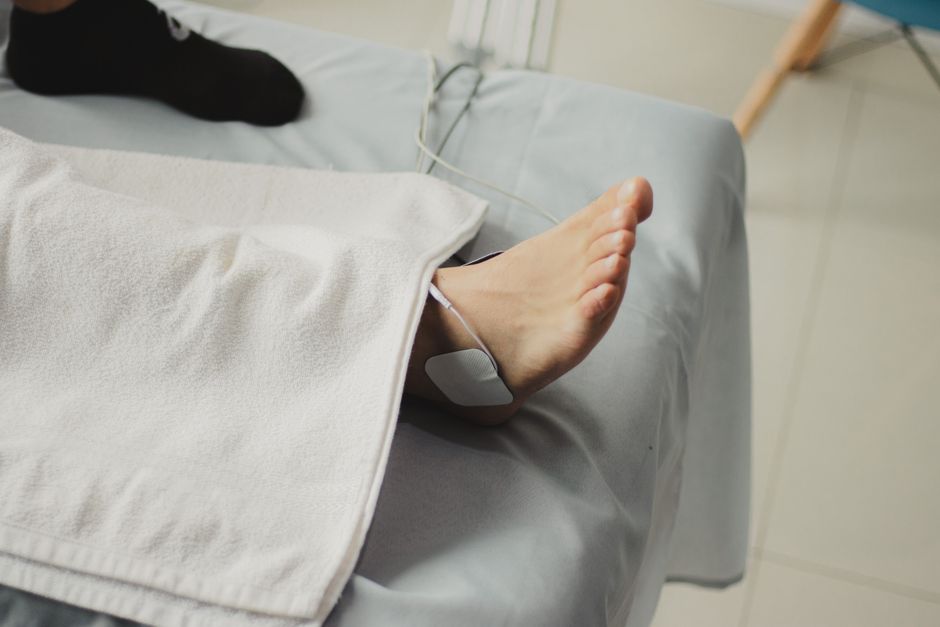
Swelling in the feet and ankles is a common problem. It happens when fluid builds up in the tissues. You can often reduce it at home with simple steps like elevation, movement, and cold water. The most effective approach combines these methods consistently throughout the day. This guide explains what works, why it works, and when you need to see a doctor.
Why Do Feet Swell in the First Place?
Your circulatory system relies on a network of veins to return blood from your feet back to your heart. These veins work against gravity. They have one-way valves that keep blood moving upward. When those valves weaken or when pressure builds up, blood can pool in your lower legs. Fluid then leaks out of the veins into the surrounding tissue. That fluid is what causes the visible puffiness.
This process is called edema. It can happen for many reasons. Sitting or standing for long periods is one of the most common causes. Heat also expands blood vessels, which makes fluid leak more easily. A diet high in salt can cause your body to hold onto extra fluid. Hormonal changes, especially during pregnancy or the menstrual cycle, can also trigger it.
For most people, occasional swelling is harmless. It is often a nuisance rather than a medical problem. But understanding the cause matters because some causes need medical attention.
How To Bring Down Swelling In Feet At Home: The Core Methods
The fastest way to reduce foot swelling is to address gravity and fluid movement directly. Elevation is the single most effective home method. When you raise your feet above the level of your heart, gravity helps drain fluid back into your circulation. Lie down and prop your feet on pillows or a stack of cushions. Aim for 15 to 30 minutes at a time, several times a day. This works best when you repeat it regularly rather than once.
Movement is the second key method. Your calf muscles act as a pump. When they contract, they squeeze the veins and push blood upward. Walking, ankle circles, and calf raises all activate this pump. If you sit at a desk all day, stand up and walk every hour. Even wiggling your toes and flexing your ankles while seated helps keep fluid moving.
Cold water immersion is another effective option. Cold causes blood vessels to constrict, which reduces the amount of fluid leaking into tissues. Fill a basin with cool water and soak your feet for 10 to 15 minutes. Do not use ice water. Extreme cold can damage skin and nerves. Cool tap water is sufficient.
Compression Socks and What They Actually Do
Compression socks apply graduated pressure to your legs. They are tightest at the ankle and gradually loosen toward the knee. This design helps push fluid upward and prevents it from pooling. Many people find them highly effective for reducing swelling during long flights or workdays.
These socks come in different pressure levels. Over-the-counter options are generally mild. Prescription-strength compression requires a fitting and a doctor’s recommendation. They are not appropriate for everyone. People with peripheral artery disease or certain types of nerve damage should not use them without medical advice. If you have diabetes, talk to your doctor before trying compression socks.
Put them on in the morning before swelling develops. Wearing them after your feet are already swollen makes them harder to get on and less effective. Remove them before bed unless your doctor tells you otherwise.
-
 What Is The Difference Between Autism And Down Syndrome?
 -
How To Put Baby Down Drowsy But Awake What Actually Works?
-
Natural Remedies for Constipation: 10 Science-Backed Options
-
How to Loosen a Bowel Blockage at Home. Easy Tips To Follow
-
Can Intermittent Fasting Cause Constipation? Benefits, Pros & Cons





Diet and Hydration: What Changes Actually Help
Salt is the biggest dietary driver of fluid retention. Sodium pulls water into your bloodstream and tissues. Reducing your salt intake can noticeably reduce swelling within days. Processed foods, restaurant meals, and packaged snacks are the main sources of hidden salt. Cooking at home with fresh ingredients gives you control over sodium intake.
Drinking more water seems counterintuitive but it helps. When your body senses low hydration, it holds onto fluid. Adequate water intake signals that fluid is plentiful, which encourages your kidneys to release excess. There is no exact amount that works for everyone, but drinking when thirsty and staying hydrated throughout the day is a reasonable goal.
Potassium also plays a role. This mineral helps balance sodium levels in your body. Foods rich in potassium include bananas, oranges, spinach, and sweet potatoes. Eating these regularly supports your body’s natural fluid balance. Do not take potassium supplements without medical guidance. Excess potassium can be dangerous, especially for people with kidney problems.
Lifestyle Adjustments That Prevent Swelling
Regular movement throughout the day prevents fluid from settling in your lower legs. If you have a sedentary job, set a reminder to stand and stretch every hour. If you stand all day, take seated breaks to elevate your feet. Alternating between positions keeps circulation active.
Weight management matters for some people. Excess body weight increases pressure on the veins in your legs. This pressure makes it harder for blood to return to the heart, which encourages fluid buildup. Losing weight, if needed, can reduce the frequency and severity of swelling.
Heat makes swelling worse. Hot weather dilates blood vessels and increases fluid leakage. Staying in cool environments, using fans, and avoiding hot baths can help. If you exercise, do it in the cooler parts of the day.
Wearing comfortable shoes with room for your feet matters too. Tight shoes restrict circulation and can worsen swelling. Shoes that allow your feet to breathe and move reduce the problem.
When Home Remedies Are Not Enough
Swelling that does not improve with home care needs evaluation. Swelling in only one leg is a red flag. This can signal a blood clot, a condition called deep vein thrombosis. This requires urgent medical attention. Seek care immediately if one leg is swollen, painful, warm, or red compared to the other.
Sudden or severe swelling also warrants a doctor visit. Swelling that develops quickly, especially with chest pain, shortness of breath, or difficulty breathing, can indicate a heart or lung problem. This is an emergency.
Chronic swelling that persists despite elevation, movement, and dietary changes may point to an underlying condition. Heart failure, kidney disease, and liver disease can all cause fluid retention. Venous insufficiency, where the vein valves stop working properly, is another possibility. A doctor can determine the cause with a physical exam and basic tests.
Medications can also cause swelling. Blood pressure drugs, steroids, and some diabetes medications list edema as a side effect. If your swelling started after beginning a new medication, talk to your doctor. Do not stop taking prescribed medication on your own.
Frequently Asked Questions
How long does it take to reduce foot swelling at home?
Mild swelling often improves within a few hours of elevation and movement. Persistent swelling may take several days of consistent home care to noticeably change.
Is it safe to soak swollen feet in cold water?
Yes, cool water is safe and effective for most people. Avoid ice water, which can damage skin and nerves.
Can drinking more water reduce foot swelling?
Yes, staying hydrated helps your kidneys release excess fluid. Reducing salt intake alongside adequate hydration gives the best results.
When should I worry about swollen feet?
Seek medical care if swelling affects only one leg, comes on suddenly, or occurs with chest pain or shortness of breath. These can be signs of a blood clot or heart problem.
