
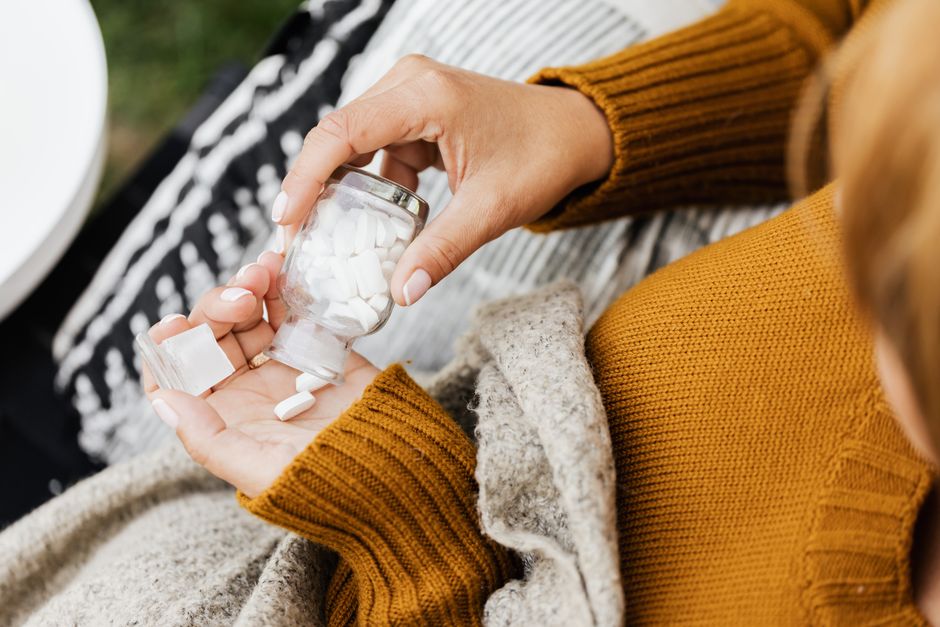
If your blood pressure is suddenly high and you need to bring it down quickly, the fastest safe approach is to sit down, breathe slowly and deeply, and take your prescribed medication exactly as directed. If you are experiencing chest pain, shortness of breath, severe headache, or neurological symptoms, call 911 immediately — that is a medical emergency, not a moment for home remedies. For most people with elevated readings who feel fine, the most effective rapid response is calm, slow breathing and physical rest, though the effects are temporary and do not replace long-term treatment.
What Is a Dangerous Blood Pressure Reading?
Blood pressure is measured in millimeters of mercury (mmHg) and recorded as two numbers. Systolic pressure (the top number) measures the force when your heart beats. Diastolic pressure (the bottom number) measures the force between beats. A normal reading is below 120/80 mmHg.
A reading of 180/120 mmHg or higher is considered a hypertensive crisis. If that reading is accompanied by chest pain, shortness of breath, back pain, numbness or weakness, vision changes, or difficulty speaking, call 911. These symptoms may indicate organ damage, including a heart attack, stroke, or aortic dissection.
If your reading is 180/120 or higher but you feel completely fine, wait five minutes and recheck. If the reading remains that high, contact your doctor or go to urgent care the same day. Do not try to “fix” a crisis reading on your own with extra doses of medication — that can cause blood pressure to drop too low, which carries its own risks.
How To Bring Bp Down Quickly: Breathing and Rest
Slow, deep breathing is one of the few techniques with measurable, rapid effects on blood pressure. When you inhale slowly and exhale even more slowly, you activate the parasympathetic nervous system. This lowers heart rate and relaxes blood vessel walls, which can reduce blood pressure within minutes.
The technique that has been studied most is called device-guided slow breathing. It involves breathing at roughly six breaths per minute — about five seconds in and five seconds out. Some research suggests this can lower systolic blood pressure by several points within a single session. You do not need a device to do this. Set a timer, sit upright with your feet flat on the floor, and breathe in through your nose for five seconds, then out through your mouth for five seconds. Continue for five to ten minutes.
Physical rest also matters. If you have been walking, climbing stairs, or carrying something heavy, your blood pressure rises temporarily as a normal response. Sit down, uncross your legs, and rest your arm at heart level for at least five minutes before rechecking. Many “high” readings taken right after activity are simply elevated from exertion, not from an underlying problem.
Does Cold Water or Vinegar Lower Blood Pressure Fast?
No reliable evidence shows that drinking cold water, apple cider vinegar, or lemon water rapidly lowers blood pressure. These are popular internet claims without clinical support. Drinking cold water may briefly constrict peripheral blood vessels, which could actually raise blood pressure slightly in the short term.
Apple cider vinegar has been studied for its potential long-term metabolic effects, but no human trials demonstrate that it produces a meaningful, rapid drop in blood pressure. If you see a video claiming otherwise, treat it as entertainment, not medical advice.
One beverage that does have documented acute effects is caffeine. Caffeine can raise blood pressure by 5 to 10 mmHg within 30 minutes of consumption, and the effect can last for several hours. If you are trying to bring a high reading down, avoid coffee, energy drinks, and caffeinated tea until your pressure is back to your usual range.




What Medications Are Used for a Hypertensive Emergency?
In a hospital setting, a hypertensive emergency is treated with intravenous medications that work within minutes. These include drugs like nicardipine, labetalol, and sodium nitroprusside. They are given in an intensive care unit where blood pressure can be monitored continuously. The goal is to lower blood pressure gradually — not too fast, because a rapid drop can deprive the brain and heart of blood flow.
Oral medications do not work as quickly. Most prescription blood pressure pills take 30 to 60 minutes to begin working, with peak effects at one to six hours depending on the drug. If you have been prescribed a pill for a hypertensive urgency — a very high reading without organ damage — take it as your doctor directed. Do not double your dose unless specifically instructed to do so by a clinician.
Some people are prescribed a medication called clonidine for urgent use at home. It is an oral drug that can lower blood pressure within 30 to 60 minutes. However, it can cause significant drowsiness and a sharp drop in pressure. This is only appropriate if your doctor has given you this specific instruction for your specific situation. Never borrow someone else’s medication for a high reading.
Can You Lower Blood Pressure in Minutes With Food?
No food lowers blood pressure quickly. Dietary changes lower blood pressure over weeks to months, not minutes to hours. The foods that help — leafy greens, beets, berries, and foods high in potassium — work through gradual changes in blood vessel function and fluid balance.
What you eat right now matters more for what not to eat. High-sodium foods cause fluid retention, which raises blood pressure. If you just ate a salty meal, your blood pressure may be elevated for several hours. Alcohol also raises blood pressure, and the effect can last into the next day. Avoid these while you are trying to bring a reading down.
One genuine acute dietary factor is dehydration. Mild dehydration makes blood thicker and blood vessels more constricted, which can raise readings. If you have not had water in several hours, drink a glass of water. This is not a fast fix, but it addresses a real and reversible cause of an elevated reading.
How to Get an Accurate Reading at Home
Many people believe their blood pressure is dangerously high when the reading is actually inaccurate. Home monitors are sensitive to technique. A poorly positioned cuff, a full bladder, or a recent meal can all skew readings upward by 10 to 15 mmHg.
To get an accurate reading, sit quietly for five minutes first. Place the cuff on a bare arm, supported at heart level. Your feet should be flat on the floor, and your back supported. Do not talk during the measurement. Empty your bladder beforehand — a full bladder can raise systolic pressure by up to 10 mmHg.
Take two readings one minute apart and record both. If the numbers differ by more than 5 mmHg, take a third. The average of these readings is your true blood pressure. A single high reading at home is rarely a reason for alarm. Blood pressure naturally fluctuates throughout the day, and it is typically highest in the morning and lowest during sleep.
What Actually Lowers Blood Pressure Long Term?
Rapid techniques are temporary. They can get you through an anxious moment, but they do not change the underlying condition. The only proven ways to lower blood pressure sustainably are lifestyle changes and medication — and most people with hypertension need both.
The lifestyle changes with the strongest evidence are:
- Reducing sodium to under 2,300 mg per day, with most benefit seen at under 1,500 mg for people with hypertension
- Following the DASH diet, which emphasizes fruits, vegetables, whole grains, and low-fat dairy while limiting saturated fat and sugar
- Regular aerobic exercise, such as brisk walking for 30 minutes most days of the week
- Limiting alcohol to no more than one drink per day for women and two for men
- Maintaining a healthy weight, since blood pressure typically drops about 1 mmHg for every kilogram (2.2 pounds) of weight lost
These changes are not quick, but they are reliable. Research consistently shows that combining the DASH diet with sodium restriction lowers systolic blood pressure by 8 to 14 mmHg in people with hypertension. That effect is comparable to many single-drug therapies, which is why doctors recommend lifestyle changes first or alongside medication.
If you are on blood pressure medication, take it consistently. Missed doses are a common cause of sudden high readings. If you frequently forget doses, talk to your doctor about a pill organizer, an alarm, or a long-acting formulation that requires once-daily dosing.
When to See a Doctor
One high reading does not mean you have hypertension. Blood pressure varies naturally, and a single elevated measurement can be caused by stress, pain, caffeine, or “white coat syndrome” — the anxiety of being in a medical setting. Hypertension is diagnosed when blood pressure remains elevated across multiple readings taken on different days.
If you are getting repeated high readings at home, above 130/80 mmHg, schedule an appointment with your doctor. They may ask you to keep a home blood pressure log for a week or two before starting treatment. Bring your monitor to the appointment so the office can check its accuracy against their equipment.
If your blood pressure is running above 180/120 and you feel fine, recheck in five minutes. If it stays that high, call your doctor’s office or seek same-day care. Do not wait days to see if it resolves on its own. Sustained readings at this level can damage blood vessels, the heart, the kidneys, and the eyes even without dramatic symptoms.
Frequently Asked Questions
How long does it take for blood pressure medication to work?
Most oral blood pressure medications begin working within 30 to 60 minutes, with peak effects at one to six hours. The full benefit of a new medication may take two to four weeks to appear.
Can drinking water lower blood pressure immediately?
Drinking water does not lower blood pressure immediately. If you are dehydrated, rehydrating can correct a mildly elevated reading over the course of an hour or more, but it is not an acute treatment.
Is 150 over 90 dangerous?
A reading of 150/90 mmHg is stage 2 hypertension and requires treatment, but it is not an emergency unless you have symptoms or other health conditions. Contact your doctor within a few days to discuss management.
Does walking lower blood pressure right away?
A single session of aerobic exercise can lower blood pressure for several hours afterward, an effect called post-exercise hypotension. The drop is usually 5 to 7 mmHg and lasts up to 24 hours in some people.
