
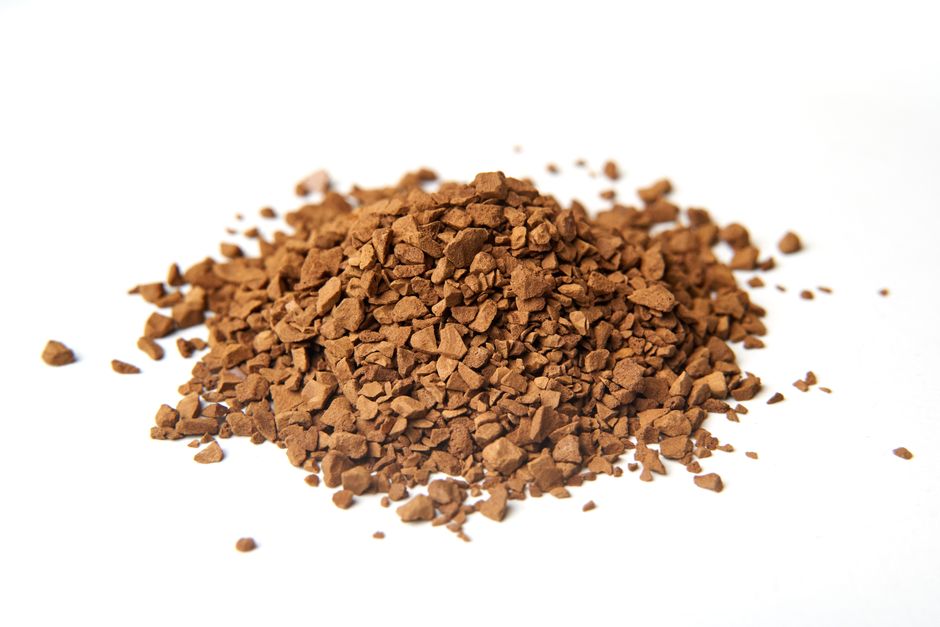
Instant coffee is dried coffee extract. You brew it by dissolving a measured amount of the powder or granules in hot water — not by steeping it like ground coffee. That single difference explains almost everything about how it tastes and how you should handle it. This guide covers water temperature, ratios, common mistakes, and the honest limits of what instant coffee can do.
What Is Instant Coffee Actually Made Of?
Instant coffee is brewed coffee that has had its water removed. Manufacturers roast and grind coffee beans, brew them industrially, then dry the resulting extract into the powder or granules you buy in a jar.
Two drying methods dominate. Spray drying turns the extract into a fine powder by blowing hot air through it. Freeze drying freezes the extract and removes the ice under low pressure, which tends to preserve more aroma compounds. Freeze-dried coffee usually costs more, and many people find it tastes closer to fresh brewed. That difference is real but modest — neither method restores what was lost during industrial brewing.
Here is the part most people miss. The coffee you dissolve in your cup was already brewed once, at a factory. You are not brewing it again. You are rehydrating it. This is why steeping times, pour-over techniques, and grind size have no meaning here. The flavor was locked in before the jar was sealed.
Instant coffee also contains less of the volatile aromatic compounds that give fresh coffee its smell. Those compounds are fragile and largely escape during drying. What survives is mostly the base flavor — acidity, bitterness, and body.
How To Brew Instant Coffee So It Actually Tastes Good
Good instant coffee comes down to three things: water temperature, the right ratio, and dissolving fully before you adjust. Get these right and the gap between instant and fresh narrows more than most people expect.
Water temperature
Use hot water, but not boiling. Water just off the boil — around 180°F to 190°F (82°C to 88°C) — dissolves instant coffee well without scalding the delicate flavors that remain. Boiling water can make instant coffee taste flatter and more bitter. If you do not have a thermometer, boil water and let it sit for about a minute before pouring.
Cold water will not dissolve instant coffee properly. You will get clumps and grit. If you want iced coffee, dissolve the granules in a small amount of hot water first, then add cold water and ice.
The right ratio
Start with one teaspoon of instant coffee per 6 to 8 ounces of water. That is a reasonable starting point, not a rule. Granule size, brand, and your own taste all shift it. A level teaspoon of fine powder weighs more than a level teaspoon of coarse granules, so the same spoon can produce noticeably different strength.
Weighing your coffee is the most reliable way to stay consistent, but most people will not bother. A simpler approach: make it slightly weaker than you think you want, taste it, then add more granules. You can always add. You cannot remove.
The order matters
Put the coffee in the cup first, then pour the hot water over it. This helps the granules dissolve evenly and prevents clumping. Stir for 10 to 15 seconds until no grit remains at the bottom.
If you add milk or cream, stir the coffee into the hot water first, then add the milk. Adding dairy before the coffee dissolves can slow dissolution and leave specks.
Why Does My Instant Coffee Taste Bitter or Weak?
Bitterness and weakness usually come from opposite mistakes. Too much coffee or water that is too hot produces bitterness. Too little coffee or water that is not hot enough produces a thin, weak cup.
Here is what tends to go wrong:
- Too much coffee. A heaped tablespoon instead of a level teaspoon can double the strength and push bitterness forward.
- Water too hot. Boiling water can amplify harsh notes. Let it cool slightly.
- Old coffee. Instant coffee absorbs moisture and odors once opened. An open jar past its prime tastes stale and flat.
- Hard water. Mineral-heavy water can mute flavor. Filtered water often makes a cleaner cup.
- Not enough stirring. Undissolved granules settle at the bottom and give a gritty, uneven taste.
One clarification worth knowing: bitterness in coffee is not only about caffeine. Caffeine is bitter, but roasted coffee contains many other bitter compounds formed during roasting. Adding more hot water to a bitter cup dilutes it but does not fix the underlying cause.
How Should You Store Instant Coffee?
Keep instant coffee in an airtight container, away from light, heat, and moisture. A sealed jar in a cool cupboard is fine. The refrigerator is a poor choice — the repeated temperature swings and humidity inside a fridge can cause clumping and stale flavors.
Moisture is the main enemy. A wet spoon dipped into the jar can cake the granules and shorten their shelf life. Keep the spoon dry. Most instant coffee stays at good quality for months after opening, though flavor does fade over time. Check the date on the jar and use it within a reasonable window once opened.
Is Instant Coffee Worse Than Fresh Coffee?
For flavor, fresh brewed coffee generally wins. For convenience and cost, instant wins easily. The honest comparison is less dramatic than coffee enthusiasts suggest.
Instant coffee typically contains slightly less caffeine per cup than fresh brewed, though this varies widely by brand and how much you use. It also contains fewer of the aromatic compounds that make fresh coffee smell complex. What it does not lack is the basic coffee experience — a hot, bitter, caffeine-containing drink.
Some research has looked at whether instant coffee differs from fresh in health terms. The evidence is mixed and largely observational, meaning it cannot prove cause and effect. Both contain antioxidants and caffeine. The differences are modest compared with the bigger factors — how much you drink, what you add, and your overall diet.
If you drink coffee mainly for the ritual and the taste, fresh is worth the effort. If you drink it for a quick caffeine hit before work, instant does the job. Neither choice is a health failure.
Common Mistakes Beginners Make
Most instant coffee problems come from a handful of habits. Fixing them takes almost no extra effort.
- Using boiling water. Let it cool for a minute first.
- Eyeballing a heaped spoon. Level your teaspoon and adjust from there.
- Adding milk before dissolving. Dissolve in hot water first.
- Storing the jar open. Seal it and keep the spoon dry.
- Judging the first cup. Give yourself two or three tries to find your ratio.
One more point. Instant coffee is not a lesser version of fresh coffee that needs to be “fixed.” It is a different product with its own strengths. Treat it that way and you will make better cups.
Frequently Asked Questions
How much instant coffee should I use per cup?
Start with one level teaspoon per 6 to 8 ounces of hot water, then adjust to taste. Granule size and brand affect strength, so the same spoon can vary between products.
Can you make instant coffee with cold water?
No, cold water will not dissolve it properly and leaves clumps and grit. For iced coffee, dissolve the granules in a small amount of hot water first, then add cold water and ice.
Is it safe to drink instant coffee every day?
For most healthy adults, moderate daily coffee intake is considered safe, though caffeine sensitivity varies. People who are pregnant or have certain medical conditions should follow their clinician’s guidance on caffeine.
Does instant coffee have caffeine?
Yes, instant coffee contains caffeine, usually somewhat less per cup than fresh brewed coffee. The exact amount depends on the brand and how much you use.
