
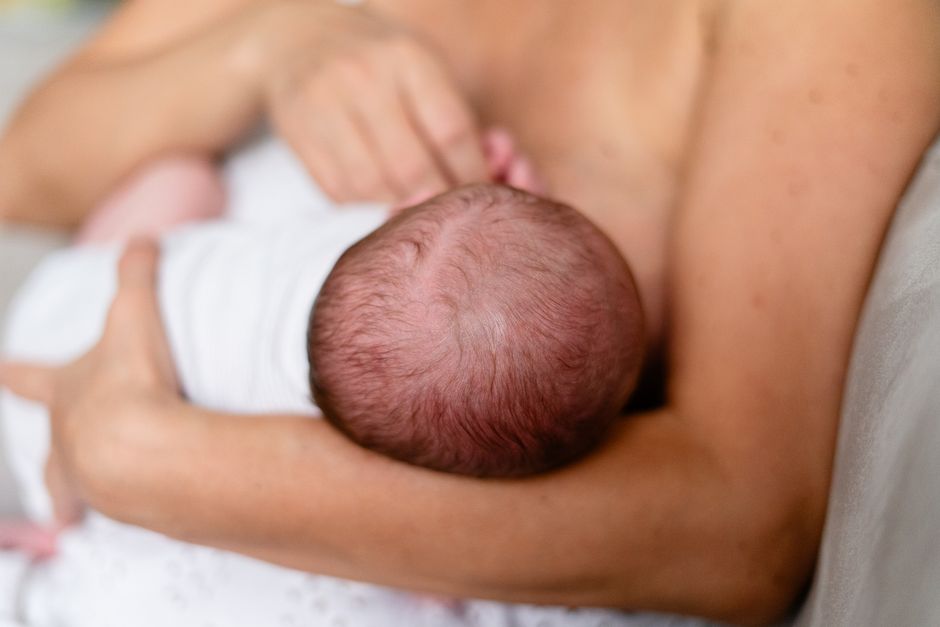
Breastfeeding in public is legal in all 50 states. Every state has a law protecting a mother’s right to breastfeed in any public or private place she is otherwise allowed to be. You do not need a cover, a special room, or anyone’s permission. What you may need is a plan for comfort and a few practical habits that make feeding away from home easier.
The tips below cover positioning, clothing, managing other people’s reactions, and knowing your legal protections. None of it requires you to hide. It is about making the experience work for you and your baby.
Is It Legal To Breastfeed In Public In The US?
Yes. Every state has a law that specifically protects breastfeeding in public. This is not a gray area.
Most of these laws state that a mother may breastfeed her child in any location, public or private, where she is otherwise authorized to be. A few states protect breastfeeding through other legal routes, but the practical effect is the same: no business, park, restaurant, or government building can legally require you to stop or leave for feeding your baby.
There is an important detail many people miss. Federal law also protects nursing parents in the workplace through the PUMP Act, which requires most employers to provide break time and a private space to pump. That is separate from public breastfeeding rights, but it reflects the same legal principle: feeding a baby is protected activity.
What the laws do not always specify is enforcement. Some states have clear penalties for businesses that interfere. Others rely on general nondiscrimination provisions. If someone asks you to leave or cover up, you are not breaking any law. They may be.
If you want to know your specific state’s language, your state health department or the National Conference of State Legislatures maintains summaries of breastfeeding laws by state.
What Should I Wear To Make Public Breastfeeding Easier?
Clothing designed for nursing makes public feeding simpler, but it is not required. The goal is access without undressing.
Nursing tops, dresses, and bras use flaps, panels, or stretchy necklines that let you feed without lifting your whole shirt. A common approach is a two-layer system: a loose outer shirt over a nursing tank. You lift the outer layer and feed through the tank’s opening. Almost nothing is exposed.
Scarves and light blankets work as optional covers. Some babies tolerate them. Many do not, especially in warm weather or after a few months when babies become more distractible and want to look around. A cover is a tool, not a requirement.
Comfort matters more than concealment. A bra that opens easily with one hand, tops that do not require you to look down to manage, and fabrics that breathe in summer heat all reduce the stress of feeding away from home.
How Can I Breastfeed In Public With Confidence?
Confidence comes from practice and preparation, not from personality. Most parents feel more comfortable after the first few public feeds.
Start with low-stakes settings. A friend’s living room. A quiet park bench. A family gathering. Once feeding in front of others feels routine, a restaurant or mall feels less intimidating.
Practice the mechanics at home. Learn to latch your baby without a mirror or a lot of adjustment. Know how your clothing opens and closes. Rehearse holding your baby with one arm while settling into a chair. Fumbling is the main source of self-consciousness, and it fades with repetition.
Positioning helps. A nursing pillow is ideal at home, but away from home you can use your diaper bag, a rolled jacket, or your own forearm to bring the baby up to breast level. A football hold, where the baby tucks under your arm along your side, is often easier in public seating because it keeps the baby’s body close and less visible from the front.
Some parents find that a mirror or a phone camera helps them check what is actually visible. Most people discover far less is showing than they feared. A baby’s head covers most of the breast during feeding.
One non-obvious point: your baby’s behavior drives more attention than your breast does. A hungry newborn rooting and crying draws eyes. A calm baby at the breast does not. Feeding early, before hunger escalates, tends to make the whole experience quieter and easier for both of you.
What Do I Do If Someone Objects Or Asks Me To Cover Up?
You are not obligated to cover, move, or stop. You can respond however feels right, including not responding at all.
Some parents keep a short, calm sentence ready. Something like “I’m feeding my baby” or “This is legal in this state.” You do not owe anyone a debate. You also do not owe anyone an apology.
If a staff member asks you to leave, you can ask to speak with a manager and state that state law protects breastfeeding. Many businesses are unaware of the law until it is mentioned. If the situation escalates, you can leave and later file a complaint with your state’s civil rights office or health department, depending on how that state’s law is written.
In practice, most public breastfeeding encounters involve no confrontation at all. Many parents report that strangers either ignore them or offer encouragement. The fear of negative reactions usually outweighs the reality. Still, being prepared for the rare objection helps you feel less caught off guard.
If you are in a setting where you feel genuinely unsafe, leaving is always reasonable. Your legal rights do not require you to stay in a hostile situation.
Do I Need A Cover Or A Private Room?
No. Neither is required by law or by your baby’s needs.
Some parents prefer a cover or a private space for their own comfort. That is a valid personal choice. What matters is that the choice is yours, not something imposed by law or social pressure.
Many public places do offer lactation rooms. Airports, some malls, and many workplaces have them. They can be useful when you want quiet or when your baby is overstimulated. But using one is optional, and no one can require you to feed only in a designated room.
Covers carry practical trade-offs. They can make it harder to see your baby’s latch, which matters for feeding effectiveness and for noticing when your baby is done. Some babies refuse to feed under a cover, especially once they are older and more aware of their surroundings. If a cover is causing feeding problems, it is reasonable to drop it.
How Do I Manage Breastfeeding In Public With An Older Baby?
Older babies are more distractible, and that changes the public feeding experience more than any social factor does.
By around four to six months, many babies start pulling off the breast to look around when they hear a voice or a noise. This is normal development, not a sign your baby is done nursing. It can make public feeds messier and more exposed than newborn feeds were.
Practical adjustments help. Feeding in a quieter corner or facing away from foot traffic reduces distraction. A nursing necklace or a small toy to occupy the free hand can help. Some parents feed in a carrier or sling, which keeps the baby close and covered without a separate cover.
Older babies also tend to feed faster and less often, which often makes public feeding easier in a different way. A quick snack in a carrier is less conspicuous than a full newborn feed.
What Are The Practical Tips For Breastfeeding Away From Home?
Preparation covers most of the friction. A few habits make public feeding smoother.
- Feed before you leave home when possible, to delay the next feed and reduce the chance of a frantic public latch.
- Carry a light blanket or scarf you can use if you want one, not because you need one.
- Wear clothing you have already practiced feeding in at home.
- Know where the nearest comfortable seating is in places you visit often.
- Keep water and a snack for yourself. Nursing parents get thirsty, and hunger plus thirst makes everything harder.
- Have a response ready for comments, even if it is just “I’m fine, thanks.”
One practical point about timing: newborns feed frequently, often eight to twelve times in 24 hours, so public feeding is likely to happen whether you plan for it or not. Planning reduces stress. It does not eliminate the need.
Does Public Breastfeeding Affect Milk Supply Or Feeding Success?
No. Where you feed does not affect milk production. Milk supply is driven by how often and how effectively your baby removes milk, not by the setting.
What can affect feeding is stress and rushing. If you feel anxious and cut feeds short, that can reduce milk removal over time. This is one reason comfort with public feeding matters. A parent who feels able to feed fully and calmly wherever they are is more likely to maintain a good feeding pattern.
If you are struggling with supply or latch, a lactation consultant can help. Public feeding discomfort is a social and practical issue, not a physiological one.
Frequently Asked Questions
Is breastfeeding in public legal in every state?
Yes. Every US state has a law protecting the right to breastfeed in public. No business or public place can legally require you to stop or leave for feeding your baby.
Can a store or restaurant ask me to cover up or leave?
They can ask, but they cannot legally require it in states with public breastfeeding protections, which is all of them. If a business insists, you can ask for a manager and mention your state’s breastfeeding law.
Do I have to use a nursing cover in public?
No. Covers are optional and not required by law. Some parents use them for personal comfort, but they can make it harder to see your baby’s latch.
How do I breastfeed in public without feeling anxious?
Practice at home first, then start with low-pressure settings like a park or a friend’s house. Wearing clothing you have already nursed in and feeding before your baby gets very hungry both reduce stress.
