
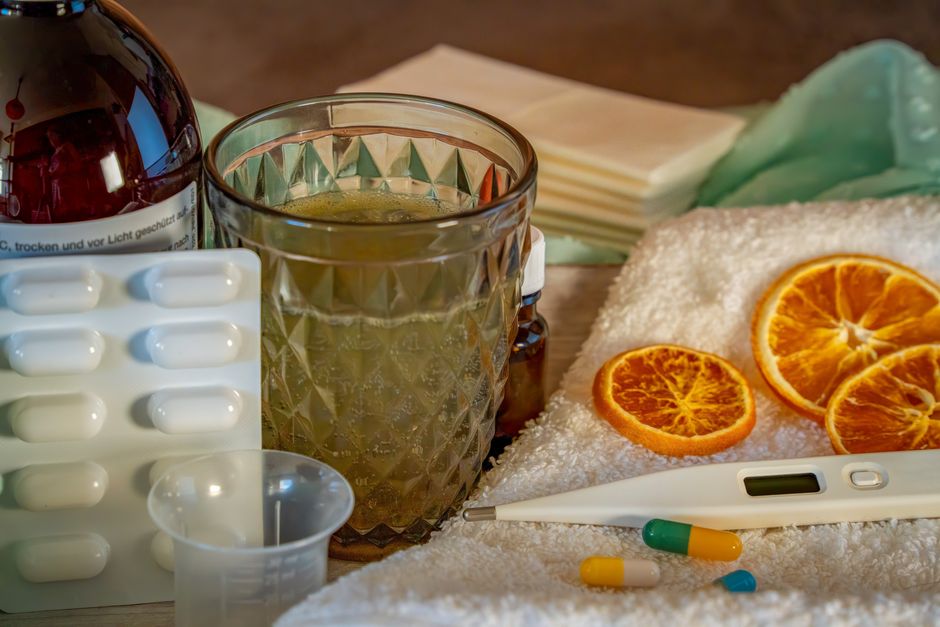
A fever in a 3-year-old is a normal immune response, not a disease. You cannot “break” a fever directly, and you usually do not need to. The goal of home care is to keep your child comfortable and watch for signs that need a doctor. Most fevers in children this age are caused by common viral infections and settle on their own within a few days. The single most useful medicine is a fever reducer given at the correct weight-based dose, and the single most useful skill is knowing when to stop treating at home and call for help.
How To Break A Fever In A 3 Year Old At Home
You do not actually break a fever. Fever is the body’s set response to infection, and it usually runs its course regardless of what you do. What you can do is lower the discomfort that comes with it and keep your child safe while the illness passes.
The main tool is a fever-reducing medicine. For a 3-year-old, the standard options are acetaminophen (called paracetamol in some countries) or ibuprofen. Both work. The dose depends on your child’s weight, not their age alone, so follow the dosing chart on the package or the dose your doctor or pharmacist gave you. Do not guess.
Acetaminophen can be given every 4 to 6 hours as needed. Ibuprofen can be given every 6 to 8 hours. Never exceed the maximum number of doses in 24 hours printed on the label. Ibuprofen should not be given to children who are dehydrated, vomiting repeatedly, or have kidney problems, so check with a clinician if your child is not keeping fluids down.
Do not give aspirin to a child. Aspirin use during a viral illness in children has been linked to Reye syndrome, a rare but serious condition affecting the liver and brain. This is a well-established warning and applies to any child under 16 in most guidance.
Combination cold medicines and multi-symptom products are not recommended for young children. Many contain acetaminophen already, and stacking them with a separate dose is an easy way to accidentally overdose. Read every label.
What Temperature Counts As A Fever In A 3 Year Old?
A fever is generally defined as a temperature of 100.4°F (38°C) or higher. For a 3-year-old, that threshold is measured rectally for the most accuracy, though an oral or ear reading is often used in children this age.
How you measure matters. Rectal thermometers give the most reliable core temperature in young children. Forehead and ear thermometers are convenient but can read slightly differently. Whichever method you use, use the same one to track changes so you are comparing like with like.
A high number alone is not the best guide to how sick your child is. A child with a temperature of 103°F who is drinking, playing between naps, and responds to you is often less concerning than a child with 101°F who is limp, hard to wake, or breathing fast. How your child looks and behaves tells you more than the number on the thermometer.
What Actually Helps A Child With A Fever Feel Better?
Comfort is the real target. Fluids, rest, and light clothing do more for how your child feels than chasing a normal temperature reading.
- Offer fluids often. Water, milk, and oral rehydration solutions are all fine. Small sips frequently work better than large amounts at once. Watch for dark urine or few wet diapers, which suggest dehydration.
- Dress them lightly. One layer is usually enough. Do not bundle a feverish child in blankets or heavy clothing.
- Let them rest. Sleep is fine. You do not need to wake a sleeping child to check a temperature unless a clinician told you to.
- Keep the room comfortable. A normal room temperature is fine. There is no need to make the room cold.
Sponging with cool water is not recommended as a routine treatment. It can cause shivering, which raises the body’s heat production, and it does not treat the cause. Some clinicians still suggest a lukewarm sponge for comfort in specific situations, but it is not a standard first-line measure. Never use cold water, ice packs, or alcohol rubs. Alcohol rubs can be absorbed through the skin and are dangerous.
What Should You Not Do To Bring Down A Fever?
Several common home remedies are ineffective or unsafe. Knowing what to skip is as important as knowing what to do.
Do not give aspirin, as noted above. Do not use alcohol rubs or ice baths. Do not give adult medicines or split adult tablets to estimate a child’s dose. Do not alternate acetaminophen and ibuprofen on a fixed schedule without a clinician’s guidance, because it is easy to lose track of doses and risk overdose. Some clinicians do recommend alternating for tough fevers, but it needs careful record-keeping.
Do not use fever as the only reason to give medicine. If your child is comfortable at 101°F, treatment is optional. The medicine is for discomfort, not for hitting a target number.
Do not rely on teething as a cause of high fever. Teething can cause a mild temperature rise, but a true fever of 100.4°F or higher is not explained by teething and should be looked at as a possible infection.
When Should You Call A Doctor For A 3 Year Old With A Fever?
Call a doctor or seek urgent care if your child has a fever and any of the following:
- Is hard to wake, unusually sleepy, or not responding normally
- Has trouble breathing, breathes fast, or has a blue or gray tint around the lips
- Has a stiff neck, severe headache, or is bothered by light
- Has a rash that does not fade when you press on it
- Is not drinking, has a dry mouth, cries without tears, or has not urinated in many hours
- Has a seizure
- Has a fever that lasts more than a few days or keeps coming back
- Has vomiting or diarrhea that will not stop
- Has severe pain anywhere
Also call if you are simply worried. A parent’s sense that something is wrong is worth acting on. For a 3-year-old, a fever above 104°F (40°C) that does not come down with medicine, or a fever in a child who looks very unwell, warrants prompt medical contact.
Age matters for the threshold. Infants under 3 months with any fever of 100.4°F or higher need immediate medical attention. That rule does not apply the same way to a 3-year-old, but it is worth knowing if there is a younger sibling in the house.
How Long Does A Fever In A 3 Year Old Usually Last?
Most fevers from common viral infections last about 2 to 3 days. Some viral illnesses run 3 to 5 days. How long a fever lasts depends on the cause, and the pattern can help a doctor figure out what is going on.
A fever that lasts more than 5 days, or one that goes away and comes back after a few days, should be checked. It can point to a secondary infection, such as an ear infection or pneumonia, that developed during the original illness. This is not an emergency in itself, but it is a reason to call.
A fever that spikes high and then drops, with the child acting fairly normal in between, is common with many viruses. The spikes are not automatically a sign of something worse. Watch the child, not just the thermometer.
The Bottom Line On Home Fever Care
You cannot force a fever down, and you do not need to. Give acetaminophen or ibuprofen at the correct weight-based dose for comfort, push fluids, dress your child lightly, and watch for warning signs. Know the dose before you need it, keep the number of a clinician handy, and trust your instincts if your child looks worse than the number suggests.
Frequently Asked Questions
Can I give my 3 year old ibuprofen and acetaminophen together?
They can be used together in some situations, but only with clear guidance from a clinician or pharmacist. Alternating them on your own raises the risk of dosing errors and accidental overdose.
Should I wake my 3 year old to give fever medicine?
No. If your child is sleeping comfortably, let them sleep. Waking a child to check a temperature or give medicine is not needed unless a clinician specifically told you to.
Is a 104°F fever dangerous for a 3 year old?
A high number alone is not the best measure of danger. A 104°F fever that responds to medicine and a child who is drinking and alert is less concerning than a lower fever in a child who is limp or hard to wake. Call a doctor for any fever above 104°F that does not come down, or if your child looks very unwell.
Does a fever help fight infection?
Fever is part of the immune response, and some evidence suggests it can support the body’s defense against infection. That is one reason treating every fever to a normal number is not necessary; comfort is the better guide.
