
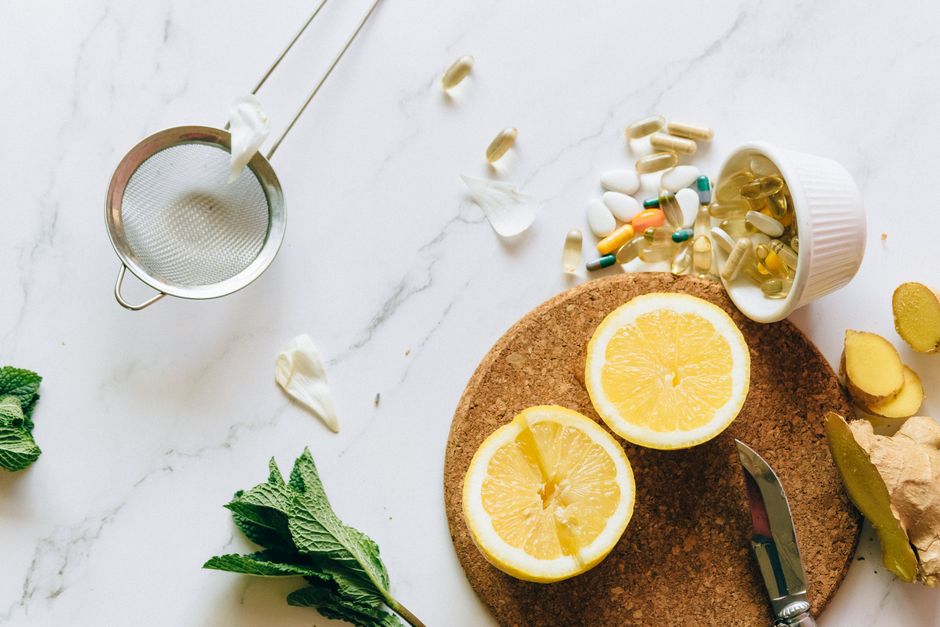
When you are already sick, your immune system is working as hard as it can. You cannot suddenly supercharge it overnight. What you can do is support it with rest, fluids, and smart nutrition so it works as efficiently as possible. The most effective strategies are simple: sleep more, drink water, eat nutrient-dense foods, and avoid things that stress your body further.
Does Sleep Actually Help Your Immune System Fight an Infection?
Yes. Sleep is one of the most powerful tools your body has when fighting an illness. Research published in the journal Sleep found that people who slept fewer than five hours a night were significantly more likely to catch a cold after being exposed to the virus. And once you are already sick, sleep helps your body produce infection-fighting cells called T-cells.
When you sleep, your body releases cytokines. These are proteins that help direct your immune response. Some cytokines actually promote sleep, which is why you often feel drowsy when you are sick. This is your body pulling you toward what it needs most.
If you are struggling to sleep while sick, try propping yourself up with pillows if congestion is the issue. Keep the room cool and dark. Do not force yourself to stay awake just to “push through” the illness. Rest is not laziness — it is treatment.
What Should You Eat and Drink When You Are Sick?
Hydration is the single most important nutritional factor. Your immune cells move through your bloodstream and lymphatic system. If you are dehydrated, that movement slows down. Water, herbal tea, and clear broths all count. The CDC recommends drinking enough fluids so your urine is light yellow or clear. Dark urine is a sign you need more.
Chicken soup has some real evidence behind it. A study from the University of Nebraska Medical Center found that chicken soup can reduce the movement of neutrophils, a type of white blood cell involved in inflammation. That means it may help calm the inflammatory response that makes you feel miserable. It also provides electrolytes and easy-to-digest protein.
Foods rich in zinc include pumpkin seeds, chickpeas, and lean meats. Zinc has been studied for its role in shortening cold duration. A 2017 meta-analysis published in JRSM Open found that zinc lozenges taken within 24 hours of cold onset reduced the length of illness by about 33%. That is not a guarantee, but the evidence is stronger for zinc than for most supplements.
Vitamin C is more complicated. Taking vitamin C after you get sick does not appear to shorten the illness significantly. However, people who take it regularly before getting sick may have slightly shorter and milder colds. If you already take vitamin C daily, keep taking it. Starting it the day you feel sick probably will not help much.
How To Boost Your Immune System When You Are Sick Without Supplements
The most reliable immune support strategies do not come in a bottle. They come from how you treat your body during illness.
- Reduce stress — Cortisol, the stress hormone, suppresses immune function. Even short-term stress can lower your ability to fight infection. Do not scroll through work emails or news while sick. Let your mind rest too.
- Stay warm — Being cold constricts blood vessels and may slow immune cell delivery to your respiratory tract. A warm blanket or a heated room helps.
- Avoid alcohol — Alcohol dehydrates you and disrupts sleep. It also directly impairs the function of immune cells. The National Institute on Alcohol Abuse and Alcoholism states that alcohol can weaken the immune system even after a single drinking session.
- Do not exercise intensely — Light movement like walking is fine if you feel up to it. But heavy exercise places stress on your body and diverts resources away from immune function. Listen to your body. If you feel exhausted, rest.
One non-obvious point: mouth breathing when congested dries out your throat and nasal passages. Dry mucus membranes are less effective at trapping viruses. Using a humidifier or taking a steamy shower keeps those tissues moist and may help your body clear the infection faster.


What Does the Research Say About Immune-Boosting Supplements?
This is where most health content gets things wrong. The supplement industry wants you to believe you can buy a stronger immune system. The evidence does not support that for most products.
Echinacea is one of the most popular cold remedies. A 2014 Cochrane review of 24 studies found that echinacea may provide a small benefit in preventing colds, but the evidence is weak and inconsistent. For treating an existing cold, the review found no clear benefit. Some people report feeling better when taking it, but that could be a placebo effect.
Elderberry syrup has some early evidence. A small study published in Nutrients in 2019 found that elderberry extract reduced cold duration by about two days. However, the study was small and funded by an elderberry product company. Larger independent trials are needed before this can be called proven.
Vitamin D is different. Your immune cells have vitamin D receptors, meaning they need vitamin D to function properly. A 2017 study in the BMJ found that daily vitamin D supplementation reduced the risk of respiratory infections, especially in people who were already deficient. If you are low on vitamin D, supplementing may help you fight off illness more effectively. But if your levels are normal, extra vitamin D probably will not do much.
The bottom line is simple: no supplement replaces the basics of sleep, hydration, and good nutrition. If you want to try something, zinc lozenges and vitamin D have the most evidence. Skip the rest unless your doctor specifically recommends them.
How Long Does It Take for the Immune System to Recover After Being Sick?
This depends on the illness and your overall health. For a common cold, most people feel better within 7 to 10 days. But feeling better does not mean your immune system is back to baseline. Research shows that immune function can remain slightly suppressed for up to two weeks after a viral infection.
During this recovery window, you are more vulnerable to catching another illness. This is why people sometimes get sick again soon after recovering. Your immune system has been working hard and needs time to rebuild its reserves.
The best thing you can do during recovery is to ease back into your normal routine slowly. Do not go straight back to intense exercise, late nights, or poor eating habits. Give your body a few extra days of good sleep and balanced meals. Your immune system will thank you.
What Common Mistakes Make Your Immune System Work Harder?
Many people unknowingly sabotage their recovery. One major mistake is taking antibiotics for a viral infection. Antibiotics kill bacteria, not viruses. Taking them when you have a cold or flu does nothing to help and can disrupt your gut microbiome, which plays a role in immune function. The CDC estimates that at least 30% of antibiotics prescribed in the US are unnecessary.
Another mistake is suppressing a low-grade fever too aggressively. A mild fever is part of your immune response. It helps create an environment where viruses and bacteria struggle to survive. If your fever is below 102°F and you are not in significant discomfort, letting it run its course may actually help you recover faster.
Overusing decongestant sprays is also common. Nasal sprays like oxymetazoline work well for short-term congestion relief. But using them for more than three days can cause rebound congestion, making your symptoms worse. Stick to saline sprays or a neti pot for longer-term use.
Finally, do not ignore persistent symptoms. If you have a fever lasting more than three days, difficulty breathing, or severe pain, see a doctor. These are signs that your immune system may need medical help to fight the infection.
Frequently Asked Questions
Can you boost your immune system once you are already sick?
You cannot dramatically boost it, but you can support it with rest, hydration, and good nutrition to help it work as efficiently as possible.
What is the fastest way to help your immune system when sick?
Sleep is the fastest and most effective way. Your body produces infection-fighting cells and proteins primarily during deep sleep.
Does vitamin C actually help when you are sick?
Evidence shows that taking vitamin C after you get sick does not significantly shorten the illness, though regular daily use may offer mild prevention.
Should you eat less when you are sick?
No. Your body needs energy to fuel your immune response. Eat light, nutrient-dense foods like soups, broths, and fruits if your appetite is low.
