
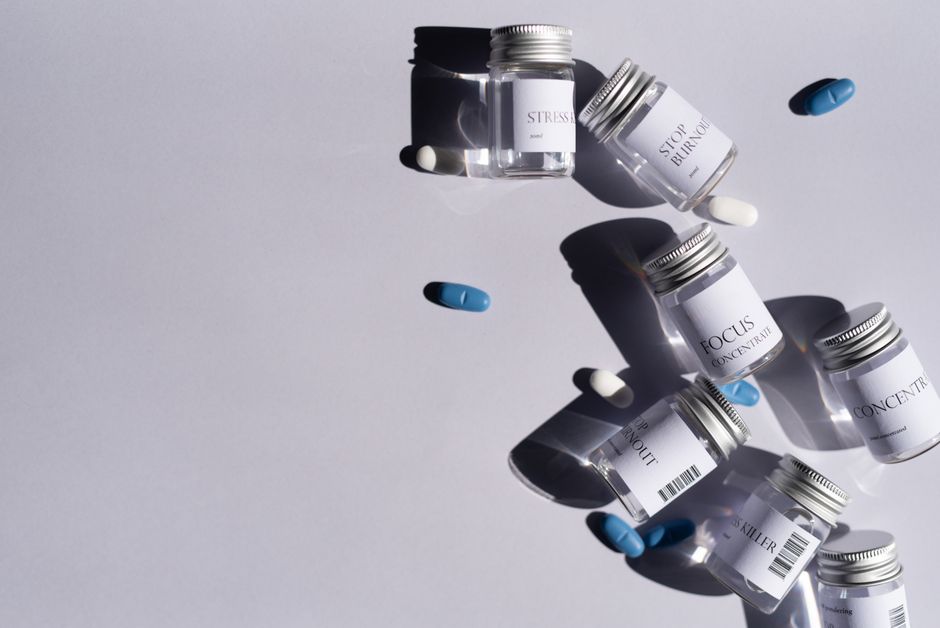
Male libido is driven mostly by physiology you can influence and partly by factors you cannot. Testosterone, sleep, cardiovascular health, mental health, and relationship context all play real roles. The things that actually work are unglamorous: treating underlying disease, fixing sleep, moving your body, addressing depression or anxiety, and cutting back on alcohol. Most supplements sold for libido have weak or absent evidence. That is the honest picture.
What Actually Controls Male Libido?
Libido is not a single switch. It is the output of several systems working together, and any one of them can pull it down.
The main driver is testosterone, the hormone produced mostly in the testicles. It influences sexual interest, though the relationship is not linear. Men with very low testosterone often report low desire. Men with normal levels who take extra testosterone do not reliably report a big jump in desire. That distinction matters, because it explains why “boosting testosterone” is not a universal fix.
The brain is the other half. Desire depends on dopamine signaling, mood, stress hormones, and the quality of your relationship. Depression flattens libido. Chronic stress does too. So does exhaustion. A man can have perfectly normal hormone levels and still have no interest in sex because his nervous system is running on empty.
Blood flow matters as well. Erection quality and desire are separate things, but they share a vascular foundation. Poor circulation, which often reflects wider cardiovascular disease, tends to show up in sexual function early.
One clarification worth making: low libido and erectile dysfunction are not the same problem. ED is about the ability to get and keep an erection. Low libido is about wanting sex at all. They can occur together, but they have different causes and different fixes. Treating one does not automatically treat the other.
Is Low Libido a Medical Problem or Just Life?
Sometimes it is a medical problem. Sometimes it is a normal response to circumstances. Telling them apart is the first useful step.
Libido naturally varies. It shifts with age, workload, sleep debt, relationship strain, and mood. A few weeks of low interest after a stressful period is common and usually resolves. Persistent low desire that lasts months, causes distress, or comes with other symptoms is worth investigating.
Certain patterns point toward a medical cause:
- Low desire alongside fatigue, low mood, or loss of morning erections
- Sudden change rather than gradual decline
- Loss of interest in activities you used to enjoy, not just sex
- New medications started around the time symptoms appeared
- Weight change, excessive thirst, or other systemic symptoms
Medications are a commonly overlooked cause. Some antidepressants, particularly certain SSRIs, are well documented to reduce sexual desire and function. Blood pressure medications, finasteride, and some others can contribute. Never stop a prescribed medication on your own. Talk to the prescriber about alternatives.
Does Testosterone Therapy Actually Help?
Testosterone therapy helps men who genuinely have low testosterone. It does not reliably help men with normal levels.
This is one of the most misunderstood points in men’s health. Testosterone replacement is a treatment for hypogonadism, a diagnosed deficiency confirmed by blood tests, not a general performance enhancer. Research consistently shows that men with confirmed low testosterone who receive replacement therapy often report improved desire and energy. Men with normal levels who take it for “optimization” generally do not see the same benefit, and they take on real risks.
Diagnosis requires blood testing, usually more than once, because levels fluctuate through the day and from day to day. Testing is typically done in the morning when testosterone peaks. A single low reading is not enough to diagnose anything.
The risks of testosterone therapy are not trivial. It can suppress sperm production and fertility, raise red blood cell counts, and affect blood pressure. Long-term effects on the prostate and cardiovascular system have been studied extensively but remain debated in some areas. This is a treatment that belongs under medical supervision with monitoring, not something to source online.
If you suspect low testosterone, the useful next step is a conversation with a clinician and proper testing, not a supplement.
What Lifestyle Changes Have Real Evidence?
Several lifestyle factors have genuine, well-documented links to sexual desire and function. None are dramatic. Together they matter.
Sleep
Sleep is where testosterone is largely produced. Research has found that restricting sleep to a few hours per night for a week measurably lowers daytime testosterone in healthy young men. Chronic short sleep is common and often ignored. Getting consistent, adequate sleep is one of the most reliable things you can do.
Exercise
Regular physical activity supports cardiovascular health, mood, and body composition, all of which feed into libido. Resistance training and aerobic exercise both have support. Extreme endurance training, by contrast, can suppress testosterone and libido in some men. More is not always better.
Weight and metabolic health
Excess body fat, particularly around the abdomen, is associated with lower testosterone and poorer sexual function. Type 2 diabetes and metabolic syndrome are strongly linked to sexual problems. Losing excess weight through sustainable means has been shown in some studies to improve both hormone levels and sexual function.
Alcohol
Heavy and chronic alcohol use lowers testosterone and damages sexual function over time. Moderate drinking is less clear-cut, but if libido is a concern, reducing intake is a reasonable and low-risk step.
Mental health
Depression and anxiety are among the most common causes of low libido in men, and they are treatable. This is worth stating plainly because it is often missed. A man with untreated depression may pursue testosterone testing and supplements for months while the actual driver goes unaddressed. Psychological support and, where appropriate, medication are legitimate treatments. Some antidepressants reduce libido, so this needs careful discussion with a clinician rather than avoidance.
Do Supplements and “Testosterone Boosters” Work?
Most do not. The supplement market for male libido is large, poorly regulated, and largely unsupported by strong human evidence.
The evidence picture varies by ingredient:
- Zinc and vitamin D — these matter if you are deficient. Correcting a deficiency is reasonable. Taking them when levels are normal has not been shown to raise testosterone or libido.
- Tribulus terrestris, maca, horny goat weed, and similar botanicals — some small studies report effects, but results are inconsistent and study quality is often low. No large, well-controlled trials confirm meaningful benefit.
- D-aspartic acid — early small studies suggested a testosterone effect, but larger and better-controlled research has not supported it.
- “Testosterone booster” blends — these are proprietary mixes that rarely disclose meaningful dosing and are almost never tested as a whole product. No clinical evidence confirms they work.
There is also a safety issue. Supplements are not required to prove efficacy before sale, and some products sold for sexual enhancement have been found to contain undeclared pharmaceutical ingredients. That is a real risk, not a theoretical one.
The honest position: if you have a genuine nutrient deficiency, correcting it may help. Beyond that, the evidence for over-the-counter libido supplements is weak to absent.
What About Pornography, Masturbation, and “Rebooting”?
The idea that abstaining from pornography or masturbation “resets” libido is popular online. The science is far less settled than the claims suggest.
Some men report that reducing heavy pornography use improves their desire for partnered sex. That is a reasonable observation, and some clinicians discuss it with patients. But the evidence base is limited. There are no large controlled trials confirming a “reboot” effect, and the concept of pornography addiction remains debated among researchers. Compulsive sexual behavior is recognized as a pattern some people struggle with, but it is distinct from ordinary porn use.
Masturbation itself does not permanently deplete testosterone or damage libido. That claim is not supported by physiology. Frequency varies enormously between individuals and is not inherently a problem.
If heavy pornography use is affecting your relationship or your interest in real partners, it is worth paying attention to and discussing with a professional. Just be skeptical of rigid programs promising a guaranteed transformation.
When Should You See a Doctor?
See a clinician if low libido persists for months, causes distress, or comes with other symptoms like fatigue, low mood, or erectile problems.
Certain signs warrant a faster conversation:
- New erectile dysfunction, which can be an early signal of cardiovascular disease
- Loss of morning erections
- Fatigue, weight gain, or loss of body hair alongside low desire
- Symptoms of depression, including loss of interest in most things
- Chest pain or other cardiac symptoms
A clinician can check hormone levels, blood sugar, cholesterol, and other markers, review your medications, and screen for depression. This is a normal medical conversation. Low libido is a common complaint and a legitimate reason to seek care.
Frequently Asked Questions
What is the fastest way to boost libido in men?
The fastest meaningful step is usually fixing an obvious driver like sleep debt, heavy alcohol use, or untreated depression. There is no safe shortcut that reliably raises desire in a man with normal hormones.
Do testosterone boosters really work?
No large, well-controlled trials confirm that over-the-counter testosterone boosters raise testosterone or libido in men with normal levels. Correcting a genuine nutrient deficiency is the main exception.
Can low libido be a sign of a health problem?
Yes. Low libido can accompany low testosterone, depression, diabetes, and cardiovascular disease, and new erectile dysfunction in particular can be an early signal of heart problems. Persistent symptoms are worth a medical conversation.
Does exercise increase libido?
Regular exercise supports cardiovascular health, mood, and body composition, all of which are linked to healthy sexual function. Extreme endurance training can have the opposite effect in some men.
