
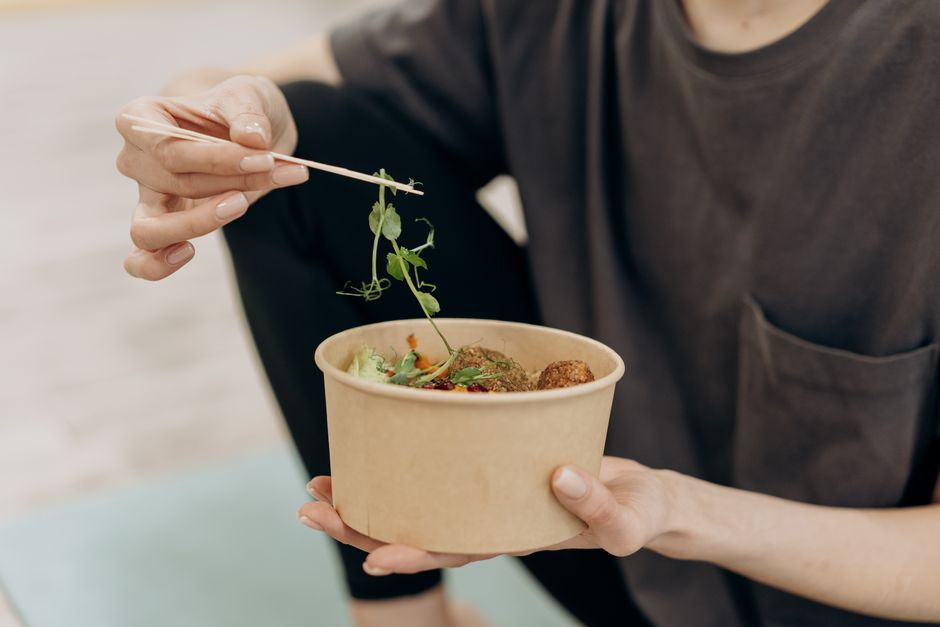
If you have lost your appetite, the fastest way to get it back is to eat small meals every three hours, add calorie-dense foods like nuts and avocado, and eat your largest meal when you are most hungry, which for most people is in the evening. A 2018 study in the journal Appetite found that eating smaller, more frequent meals stimulates hunger cues better than three large meals. Start with a handful of almonds or a banana. Do not wait for hunger to hit — hunger often follows eating, not the other way around.
What Causes a Low Appetite?
Low appetite is not a disease. It is a symptom. It can come from illness, stress, medication side effects, or aging. The body slows digestion and suppresses hunger signals when it is fighting an infection or dealing with chronic inflammation.
Mental health is a major player. Anxiety and depression change how the brain signals hunger. The CDC reports that about 1 in 5 US adults experience mental illness each year, and appetite loss is one of the most common symptoms. Medications for these conditions can also suppress appetite.
Physical causes include gastrointestinal issues like gastroparesis or irritable bowel syndrome. Cancer treatments like chemotherapy often cause nausea that kills appetite. Even something as simple as a zinc deficiency can blunt your sense of taste and make food unappealing.
Age matters too. After 70, the body produces less ghrelin, the hormone that tells your brain you are hungry. This is called the anorexia of aging, and it affects roughly 15 to 30 percent of older adults according to research in Clinical Interventions in Aging.
How To Boost Appetite With Small Changes to Your Eating Schedule
Do not wait for hunger to arrive. That is the biggest mistake people make. If you have not felt hungry in days, your hunger cues may be dormant. You have to wake them up by eating on a schedule.
Set a timer for every three hours. Eat something small each time. A 2020 study in Nutrients found that eating six small meals per day increased total calorie intake in older adults compared to three standard meals. The body adapts. After a few days of this, your natural hunger rhythm starts to return.
Eat your largest meal at the time of day when your appetite is strongest. For most people that is dinner. Do not force a big breakfast if food sounds repulsive in the morning. A slice of toast or a smoothie is enough to start the cycle.
Stop drinking liquids 30 minutes before meals. Water, coffee, or juice can fill your stomach and trick your brain into thinking you are full. A 2019 study in Clinical Nutrition showed that drinking fluids with meals reduced calorie intake by an average of 12 percent in adults with low appetite.
What Foods Help Stimulate Appetite?
Some foods naturally trigger hunger more than others. Bitter foods like arugula, endive, or ginger can stimulate digestive juices. A small salad with lemon juice before a meal can help. This is not a myth — bitter receptors on your tongue signal the stomach to prepare for food.
Calorie-dense foods help you get enough energy without feeling overfull. Think nuts, nut butters, avocado, full-fat yogurt, cheese, and dried fruit. A single ounce of almonds has 164 calories. Two tablespoons of peanut butter have 188 calories. These add up fast without requiring a large volume of food.
Warm foods tend to be more appealing than cold foods when appetite is low. Soups, stews, oatmeal, and rice dishes have strong aromas that stimulate appetite. Research in Chemical Senses found that warm food releases more volatile compounds, making it smell stronger and more appetizing.
Umami-rich foods like tomatoes, mushrooms, soy sauce, aged cheese, and broth can boost appetite. Umami is the fifth taste, and it triggers salivation and digestive enzyme release. A 2017 study in Appetite found that adding umami broth to meals increased food intake in elderly participants by 22 percent.





Does Exercise Really Help Increase Appetite?
Yes, but not the way most people think. Light to moderate exercise increases appetite in most people. Intense exercise can suppress it temporarily. The effect depends on intensity and duration.
A 2019 meta-analysis in Nutrients reviewed 20 studies and found that moderate aerobic exercise like walking or cycling increased hunger ratings in participants. The mechanism is simple: exercise burns energy, and the body wants to replace it. It also improves digestion and reduces stress, both of which help appetite.
Short walks before meals work well. A 10-minute walk around the block can shift your body from rest-and-digest mode into a state where it expects food. Some studies suggest that walking stimulates ghrelin release, the same hormone that makes you feel hungry.
Avoid high-intensity interval training or long runs if your goal is to increase appetite. These can raise cortisol and suppress hunger for several hours afterward. Save those workouts for when your appetite is already normal.
How To Boost Appetite When Stress or Anxiety Is the Cause
Stress shuts down appetite by activating the sympathetic nervous system. Your body prioritizes survival over digestion. This is the fight-or-flight response, and it is a direct appetite killer.
Mindful eating can help. This means eating without distractions. No phone, no TV, no reading. Sit at a table. Pay attention to the smell, texture, and taste of the food. A 2021 study in Appetite found that mindful eating increased meal enjoyment and food intake in adults with stress-related appetite loss.
Deep breathing before meals can shift your nervous system back to rest-and-digest mode. Five slow breaths in through your nose and out through your mouth can lower cortisol enough to make food more appealing. This is not pseudoscience — it is basic autonomic nervous system physiology.
If anxiety is severe and persistent, appetite loss may not respond to lifestyle changes alone. Cognitive behavioral therapy has strong evidence for treating appetite loss linked to anxiety. The American Psychological Association lists appetite restoration as a measurable outcome of CBT for anxiety disorders.
What About Supplements and Herbal Remedies?
Some supplements have evidence behind them. Others are marketed heavily with little to back them up. Here is what the research actually shows.
| Supplement | What the Evidence Says |
|---|---|
| Zinc | Zinc deficiency reduces taste and smell, which lowers appetite. A 2020 review in Nutrients found zinc supplementation improved appetite in deficient individuals. Get tested before supplementing. |
| Vitamin B1 (Thiamine) | Thiamine deficiency can cause appetite loss, especially in older adults and people with alcohol use. A 2018 study in Journal of Nutrition showed thiamine improved appetite in deficient patients. |
| Omega-3 Fatty Acids | Some studies suggest omega-3s reduce inflammation that suppresses appetite. Evidence is moderate. A 2019 trial in Nutrition Research found no significant effect on appetite in healthy adults. |
| Ginger | Ginger is known for reducing nausea, which can indirectly help appetite. It does not directly stimulate hunger. A 2021 meta-analysis in Phytomedicine confirmed its anti-nausea effects. |
| CBD Oil | Widely claimed to boost appetite but strong clinical evidence is limited. Some people report increased hunger. As of 2026 there is no large clinical trial confirming this effect in humans. |
| Bitter Herbs (Gentian, Wormwood) | Traditional use for appetite stimulation. A 2022 study in Journal of Ethnopharmacology found gentian root increased saliva and digestive enzyme production. Effects on actual food intake are not well studied. |
Do not take appetite stimulant supplements without checking with a doctor first. Some interact with medications. Some are dangerous in high doses. If you have a diagnosed deficiency, supplementation is appropriate. If you do not, you may be wasting money.
When Should You See a Doctor About Low Appetite?
If you have lost 5 percent or more of your body weight in the last six months without trying, that is a medical red flag. The American Academy of Family Physicians uses this threshold to define clinically significant weight loss. It warrants a medical workup.
See a doctor if appetite loss lasts more than two weeks with no clear cause. If it comes with fatigue, nausea, pain, or changes in bowel habits, do not wait. These could signal an underlying condition like thyroid disease, infection, or cancer.
For older adults, appetite loss is a serious concern. It is linked to frailty, falls, and increased mortality. The Gerontological Society of America recommends screening for appetite loss in anyone over 65 at every annual checkup.
If you are on medication and your appetite dropped after starting it, ask your doctor about alternatives. Many common drugs suppress appetite, including some antidepressants, blood pressure medications, and stimulants used for ADHD. A dose adjustment or a different drug class may solve the problem.
Common Misconceptions About Boosting Appetite
One myth is that marijuana is a reliable appetite stimulant. It does increase hunger in many people, but the evidence is mixed. A 2021 review in Cannabis and Cannabinoid Research found that while some users report increased appetite, the effect is inconsistent and depends on strain, dose, and individual biology. It is not a first-line solution.
Another myth is that appetite stimulants like megestrol acetate are safe for everyone. They are not. This drug is used for severe appetite loss in cancer and HIV patients. It has side effects including blood clots, adrenal suppression, and fluid retention. It is not for mild appetite loss.
Some people think that drinking alcohol before meals increases appetite. Alcohol can temporarily increase hunger by lowering inhibitions, but it also dehydrates you and can damage your digestive system over time. The risks outweigh any small benefit.
The idea that you must eat three full meals a day is another misconception. If you have low appetite, three large meals can feel overwhelming. Six small meals or snacks work better. Ignore the meal schedule norms and eat what fits your body.
Frequently Asked Questions
Frequently Asked Questions
How long does it take to get your appetite back?
Most people see improvement within three to seven days of eating small frequent meals. If appetite does not return after two weeks, see a doctor.
What drink stimulates appetite?
A small glass of tart juice like grapefruit or lemon water before meals can stimulate digestive juices. Warm ginger tea can also help reduce nausea that blocks appetite.
Can dehydration cause low appetite?
Yes, dehydration suppresses appetite because the body prioritizes fluid balance over hunger. Drink water between meals but avoid drinking 30 minutes before eating.
Is it normal to lose appetite as you age?
It is common but not normal. Age-related appetite loss affects many older adults but should be evaluated by a doctor to rule out treatable causes like medication side effects or depression.
