
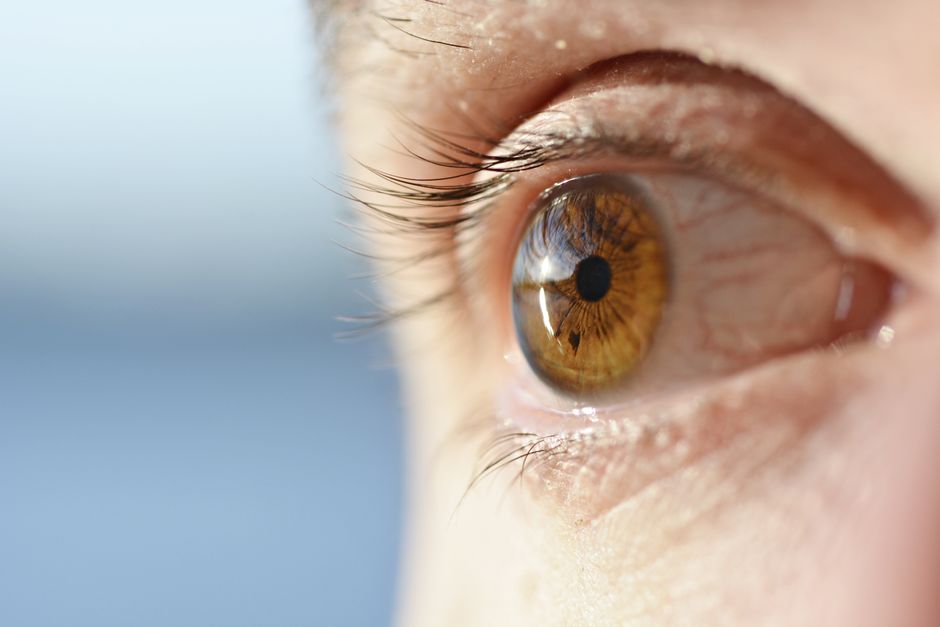
Blinking out a contact lens is a simple, safe way to remove it without touching your eye. It works best with soft contact lenses that are already loose and well-hydrated. The method takes about ten seconds once you know the steps. Here is the step-by-step method to blink out a contact lens.
How To Blink Out Contacts The Step By Step Method?
Wash your hands with soap and water, then dry them completely. Look upward and use your index finger to gently pull your lower eyelid down and slightly outward. Keep your eye open and blink firmly once or twice. The lens should slide off your cornea and fall onto your cheek or eyelid. If it does not come out, do not force it. Add a drop of contact lens rewetting solution and try again.
The key is that the lens must be moist and loose on your eye. A dry lens will stick to the cornea and resist blinking. If your eyes feel dry, the blink method will not work well. Use rewetting drops first and wait about 30 seconds before trying.
Why Does Blinking Remove a Contact Lens?
Your eyelids are designed to sweep across the surface of the eye. When you blink, the upper and lower eyelids press against the edges of a soft contact lens. If the lens is well-hydrated and sitting loosely on the tear film, that pressure can slide it off the cornea.
This works because soft contact lenses float on a thin layer of tears. The lens does not actually stick to the eye. It sits on top of the tear film. When your eyelid pushes against the lens edge, the lens can tilt and release from the surface. Gravity then pulls it down onto your cheek or lower lid.
Hard or rigid gas permeable lenses do not blink out as easily. They are smaller and sit more firmly on the cornea. The blink method is mainly reliable for soft daily or monthly lenses.
Step-By-Step Blink Method
Follow these steps in order. Do not skip the preparation steps.
- Wash your hands with mild soap and rinse thoroughly. Dry with a lint-free towel.
- Stand over a clean sink or a counter with a clean towel laid flat. This catches the lens if it falls.
- Apply one drop of contact lens rewetting solution to each eye. Wait 20 to 30 seconds.
- Look upward toward the ceiling.
- Place your index finger on your lower eyelid, just below the lashes.
- Pull the lower lid down and slightly outward, away from the eye.
- Keep your gaze upward and blink firmly once.
- If the lens does not come out, blink once more with a slightly stronger squeeze.
- Look down. The lens should be on your cheek, lower lid, or the towel below.
Most people need two or three attempts the first time. Once you learn the feel of it, one firm blink is usually enough.





What To Do If the Lens Does Not Come Out
Stop after three attempts. Repeated forceful blinking can irritate your eye or push the lens further up under the upper lid. If the lens stays in place, use the pinch method instead.
To pinch a lens out, wash your hands again. Look upward, pull the lower lid down, and gently pinch the lens between your thumb and index finger. Squeeze gently and lift it off the eye. This is the standard removal method recommended by most eye care professionals.
If the lens feels stuck and will not move, it may be dry. Apply more rewetting solution and wait a full minute before trying again. Never use plain water on your eye or on the lens. Water is not sterile and can introduce bacteria.
When Blinking Out a Lens Is Not a Good Idea
The blink method is not suitable for everyone. If you have long fingernails, the pinch method may be safer because you can control the contact better. If you have very dry eyes, the lens may not slide off with blinking alone.
Do not use this method if you have an eye infection, a corneal scratch, or any eye pain. Blinking with an irritated eye can make the problem worse. See an eye care professional before removing a lens if your eye is red, painful, or sensitive to light.
People who wear toric lenses for astigmatism may find the blink method less reliable. Toric lenses are weighted to stay in one orientation. They can still blink out, but they may need more attempts. The pinch method is often easier for toric lens wearers.
How To Keep Lenses Loose Enough To Blink Out
Hydration is the single most important factor. Soft contact lenses are about 40 to 60 percent water. When they dry out, they shrink slightly and grip the cornea. Keeping the lens hydrated makes removal easier every time.
Use rewetting drops approved for contact lenses. Do not use regular eye drops meant for red eyes. Those contain preservatives that can build up on the lens surface. Look for drops labeled “for contact lenses” or “rewetting drops.”
Replace your contact lens case regularly. A dirty case can transfer protein deposits to the lens, which makes the lens surface rougher. A rougher surface means more friction against the eyelid, which makes blinking removal harder.
If your lenses always feel dry by the end of the day, talk to your eye care professional. Your prescription may need adjustment, or a different lens material may work better for your tear film.
Common Mistakes With the Blink Method
Looking downward while blinking is the most common mistake. When you look down, your upper lid covers more of the lens surface, and the lens presses against the lower lid. Looking upward exposes the lower edge of the lens, which lets the lid catch it more easily.
Pulling the lower lid too far is another mistake. You only need about a quarter inch of pull. Excessive pulling stretches the lid and changes the shape of the eye, which can hold the lens in place rather than releasing it.
Blinking too softly does nothing. The blink needs to be firm and complete. A gentle flutter will not generate enough pressure to move the lens. A full, deliberate squeeze works best.
Some people close both eyes tightly instead of blinking. That pushes the lens deeper into the eye socket. Keep the eye you are removing from open and blink that eye specifically.
How To Care for a Lens After Blinking It Out
If the lens lands on a clean surface, you can clean and reuse it if it is not a daily disposable. Pick the lens up by pinching it gently. Rinse it with contact lens solution and place it in a clean case with fresh solution.
If the lens lands on the floor, a sink, or any surface that is not clean, do not put it back in your eye. The risk of infection is not worth saving one lens. Discard it and use a fresh one.
Inspect the lens before reinserting. Look for tears, chips, or debris on the surface. If the lens looks damaged, throw it away. A damaged lens can scratch your cornea.
Frequently Asked Questions
Can blinking out contacts damage my eyes?
No, blinking is a natural eye movement and does not damage the eye when done gently. The risk is low if you stop after a few attempts and switch to the pinch method if needed.
Why does my contact lens not blink out?
Your lens is probably dry or sitting too tightly on the cornea. Apply rewetting solution, wait 30 seconds, and try again while looking upward.
Is the blink method safe for monthly contact lenses?
Yes, the blink method works for most soft monthly lenses. The lens must be well-hydrated and in good condition without tears or deposits.
Can I blink out a contact lens without rewetting drops?
You can try, but it often fails if your eyes are even slightly dry. Rewetting drops make the lens slide off more easily and reduce the number of attempts needed.
