
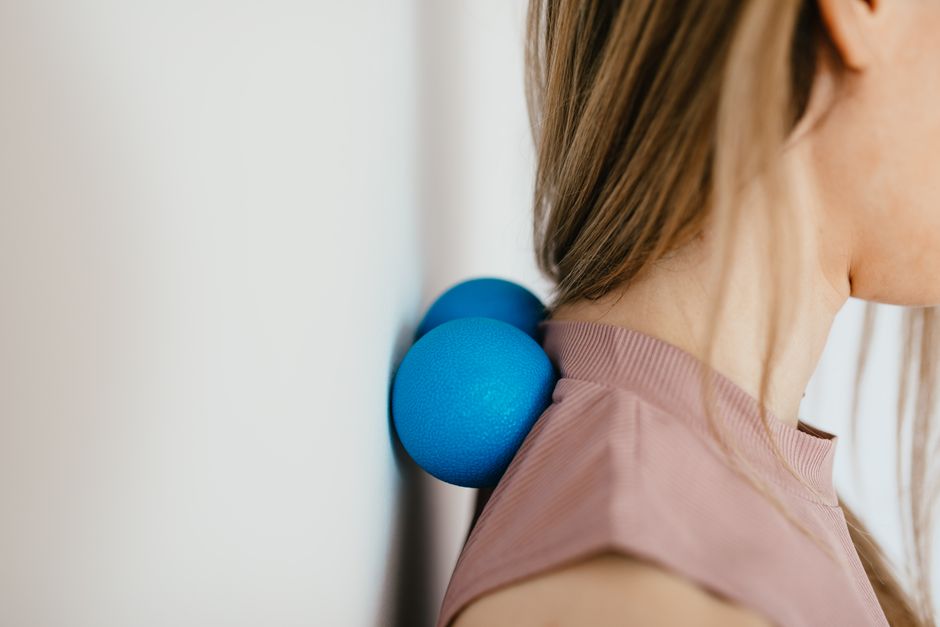
Becoming a myofascial release therapist usually means completing a hands-on bodywork training program, logging supervised practice hours, and obtaining a state or local massage therapy license where one is required. Most people start by earning a foundational massage therapy credential, then add specialized myofascial release training afterward. Total costs commonly range from a few thousand dollars for a basic path to over $20,000 for a full massage therapy program plus advanced certifications.
What Does a Myofascial Release Therapist Actually Do?
Myofascial release is a hands-on technique that targets the fascia — the connective tissue that surrounds muscles, organs, and nerves throughout the body. Practitioners apply sustained pressure and gentle stretching to areas of tension, with the goal of improving tissue mobility and reducing pain.
The term “myofascial release” covers a range of approaches. Some are slow and gentle, holding pressure for several minutes until tissue softens. Others are more active and involve movement or friction. Two practitioners using the same label may work very differently.
This matters for anyone considering the career. There is no single governing body that defines what “myofascial release therapist” means. Some practitioners hold a massage therapy license and use myofascial techniques within that scope. Others complete proprietary certification programs from specific training organizations. A few are physical therapists or occupational therapists who add myofascial work to an existing clinical license.
The training path you choose depends heavily on which of these categories you fit into.
What Are the Steps To Become a Myofascial Release Therapist?
The steps vary by state and by the credentials you already hold. Here is the general sequence most people follow.
- Step 1: Check your state’s licensing requirements. Most US states regulate massage therapy, and myofascial release is typically practiced under a massage therapy license. Requirements vary — some states require 500 or more hours of approved training, others require less. A few states have no statewide licensing requirement, though local rules may still apply.
- Step 2: Complete a foundational massage therapy program. This is usually the longest and most expensive step. Programs range from several months to two years, depending on whether you attend a dedicated massage school or a community college.
- Step 3: Pass your licensing exam. Most states use the Massage and Bodywork Licensing Examination (MBLEx) or a comparable exam. Check your state board for the specific exam it accepts.
- Step 4: Get your license. Apply through your state board after passing the exam and completing any required background checks.
- Step 5: Complete specialized myofascial release training. This is where you learn the specific techniques. Several organizations offer multi-level certification courses, often taken over weekends or in intensive blocks.
- Step 6: Build supervised practice hours. Some certification programs require a set number of practice sessions or case studies before granting full certification.
- Step 7: Maintain your credentials. Most states require continuing education units (CEUs) to renew a massage license, typically every one to two years depending on the state.
If you are already a licensed physical therapist, occupational therapist, or athletic trainer, you may be able to skip the massage therapy step entirely and go straight to specialized training. Scope of practice rules differ by state, so confirm what your license allows before assuming this path is open to you.
How Much Does It Cost To Become a Myofascial Release Therapist?
Costs fall into three buckets: your foundational education, your specialized training, and ongoing licensing and renewal fees. The foundational piece is almost always the largest expense.
Massage therapy programs in the US commonly cost between $5,000 and $15,000, though some run higher. Community college programs tend to cost less than private massage schools. This range reflects tuition only — books, supplies, and living expenses during training are separate.
Specialized myofascial release certification courses typically cost a few hundred to a few thousand dollars per level. Many programs are structured as a series of levels, so total specialized training costs can add up. Some organizations bundle multiple levels at a discount.
Licensing and exam fees vary by state. The MBLEx exam fee is set nationally, but state application and license fees differ. Expect to pay a few hundred dollars total for exam and initial licensing in most states.
Continuing education to maintain your license usually costs $100 to $500 per renewal cycle, depending on how many CEUs your state requires and which courses you choose.
A realistic total for someone starting from scratch — no prior bodywork credential — is often $8,000 to $20,000 or more, depending on the program and the state. Someone who is already a licensed massage therapist adding myofascial certification might spend $1,000 to $5,000.




Do You Need a License To Practice Myofascial Release?
In most US states, yes — if you are charging for hands-on bodywork, you generally need a massage therapy license or another healthcare license that covers manual therapy. Practicing without the required license can carry legal penalties.
A handful of states do not require statewide massage licensing. Even there, some cities and counties have their own rules. And some employers or insurers will not work with unlicensed practitioners regardless of state law.
The licensing landscape also shifts. Requirements that existed a decade ago may have changed. Before committing to any training program, check your current state board rules directly rather than relying on older information.
One clarification worth making: “certification” and “licensure” are not the same thing. A certificate from a myofascial release training organization shows you completed that program. It does not replace a state license. In most states, you need the license to legally practice, and the certification is an add-on.
How Long Does It Take To Become a Myofascial Release Therapist?
Timelines depend on your starting point. If you have no prior training, the foundational massage therapy program is usually the longest part. These programs range from roughly 6 months for accelerated options to 2 years for part-time or associate degree tracks.
After licensure, specialized myofascial release training is comparatively fast. Many certification programs are structured as weekend intensives or multi-day courses, so you can complete a level in days to weeks. Completing multiple levels might take several months to a year, depending on how often courses are offered in your area.
Adding it up, someone starting from zero might spend 1 to 2.5 years from first class to practicing with a myofascial certification. Someone already licensed could complete specialized training in a few months.
These are general ranges. Actual timelines vary widely based on program availability, your schedule, and whether you train full-time or part-time.
What Skills and Background Help Most?
A background in anatomy and physiology is the single most useful foundation. Myofascial work requires understanding where muscles, bones, and connective tissue sit in relation to each other, and how force applied in one area affects another.
Manual dexterity and physical stamina matter more than many people expect. Myofascial release often involves sustained pressure held for extended periods, which is physically demanding on the practitioner’s hands, wrists, and body. Good body mechanics and self-care habits are not optional in this work — they affect how long a career lasts.
Communication skills are also central. Clients often arrive with pain or chronic tension, and part of the job is explaining what you are doing, setting expectations, and recognizing when a client’s situation is beyond your scope and should be referred to a physician or physical therapist.
Some practitioners come from prior careers in fitness, nursing, physical therapy, or athletics. Others come in with no healthcare background at all. Both paths exist, though a healthcare background can shorten the learning curve.
What Should You Know Before Choosing a Training Program?
Training programs vary enormously in quality, and there is no single accrediting body that covers all myofascial release certifications. That makes it important to evaluate programs carefully.
Look for programs that clearly state their prerequisites, the number of hands-on hours, and whether they require supervised practice. Ask whether the certification is recognized by employers or insurers in your area. Some health insurance plans reimburse for massage therapy, but coverage for specific techniques like myofascial release varies and is often limited.
Be cautious of programs that promise guaranteed income or make strong claims about curing specific conditions. Myofascial release has been studied for certain pain conditions, and some research suggests it may help with things like chronic low back pain and neck pain. But the evidence base is mixed, study quality varies, and results are not uniform. A training program that presents the technique as a proven cure for a wide range of diseases is overstating what the research supports.
It also helps to talk to working therapists before you invest. Ask them what training they found most useful, what they wish they had known, and how much of their practice actually involves myofascial work versus other techniques.
Frequently Asked Questions
How much does it cost to become a myofascial release therapist?
Total costs typically range from about $8,000 to $20,000 or more if you start with no prior credential, since a foundational massage therapy program is the largest expense. If you are already a licensed massage therapist, adding specialized myofascial training often costs $1,000 to $5,000.
Do you need a license to practice myofascial release?
In most US states, yes — you generally need a massage therapy license or another healthcare license that covers manual therapy to charge for hands-on bodywork. A few states have no statewide licensing requirement, but local rules and employer policies may still apply.
How long does it take to become a myofascial release therapist?
Starting from zero, it often takes 1 to 2.5 years from your first class to practicing with a myofascial certification, mostly because of the foundational massage program. If you are already licensed, specialized training can be completed in a few months.
Is myofascial release the same as massage therapy?
No — myofascial release is a specific set of techniques, while massage therapy is the broader licensed profession that usually covers it. Most practitioners hold a massage therapy license and use myofascial techniques as part of their practice.
