
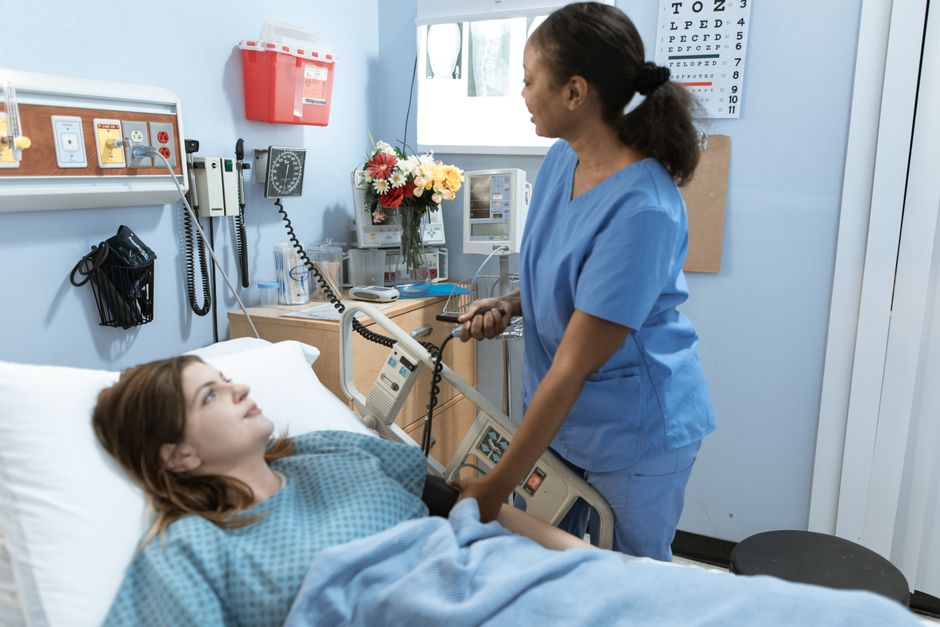
Becoming a forensic nurse examiner takes a registered nursing license, several years of clinical experience, and specialized training in evidence collection and trauma-informed care. Most examiners enter the field after working in emergency, critical care, or women’s health nursing. Pay varies widely by state and setting, but forensic nurses generally earn more than staff nurses in general medical-surgical roles.
The job sits at the intersection of health care and law. You examine patients who may have been assaulted, collect evidence according to legal chain-of-custody rules, document injuries, and sometimes testify in court. It is demanding work that requires both clinical skill and composure under pressure.
What Does a Forensic Nurse Examiner Actually Do?
A forensic nurse examiner provides medical care to people who have experienced violence, trauma, or suspicious injury, and also gathers evidence that may be used in a legal case. The role is sometimes called a sexual assault nurse examiner (SANE) when the focus is on sexual assault, though many examiners handle a broader range of cases.
Day to day, the work includes:
- Conducting head-to-toe examinations and documenting injuries with photographs and written notes
- Collecting biological and physical evidence using standardized kits and protocols
- Providing emergency contraception, testing for sexually transmitted infections, and arranging follow-up care
- Offering emotional support and connecting patients with advocates and community resources
- Maintaining chain of custody so evidence holds up in court
- Testifying as a fact or expert witness when cases go to trial
One thing people often misunderstand: the medical exam and the legal evidence collection are not separate events. They happen together, and the nurse has to protect the patient’s health while also preserving evidence that could matter later. That dual responsibility is what makes the training different from ordinary clinical nursing.
What Are the Steps To Become a Forensic Nurse Examiner?
The path follows a fairly consistent sequence, though requirements vary by state and employer. Here is the general route.
Step 1: Become a Registered Nurse
You need an RN license before anything else. That means earning an Associate Degree in Nursing or a Bachelor of Science in Nursing, passing the NCLEX-RN exam, and getting licensed in your state. A bachelor’s degree opens more doors, especially for leadership and hospital-based programs, but many examiners start with an associate degree.
Step 2: Gain Clinical Experience
Most programs expect at least two years of nursing experience before you train as an examiner. Emergency department, critical care, labor and delivery, and women’s health are common backgrounds. The reasoning is practical: you need to be comfortable with pelvic exams, wound assessment, and high-stress patient interactions before adding a forensic layer.
Step 3: Complete Specialized Forensic Training
Formal training comes next. The two best-known credentials are the Sexual Assault Nurse Examiner (SANE) certification and the broader Forensic Nurse Examiner credential. Training typically covers anatomy, injury identification, evidence collection, chain of custody, trauma-informed interviewing, and courtroom testimony.
Several organizations offer this training, including state coalitions and national nursing bodies. Course length varies — some are a few days, others span weeks with clinical preceptorship. Confirm that any program you consider meets your state’s requirements, because they are not uniform.
Step 4: Get Certified
Voluntary certification exists through national credentialing bodies. Certification usually requires a combination of clinical hours, continuing education, and passing an exam. It is not always mandatory, but many employers prefer it and some states require it for certain roles.
Step 5: Maintain Competency
Forensic nursing requires ongoing education and, in many programs, regular clinical hours to stay current. Evidence protocols and legal standards change, so refresher training is part of the job long-term.
How Long Does It Take To Become a Forensic Nurse Examiner?
Plan on roughly four to six years from the start of nursing school to working independently as an examiner. The timeline breaks down like this: two to four years for the nursing degree, two or more years of clinical experience, then weeks to months of forensic training and certification.
Some nurses move faster if they already hold a bachelor’s degree or have strong emergency experience. Others take longer. There is no single national standard for how much experience is required, so the pace depends heavily on where you practice and which program you enter.
How Much Does a Forensic Nurse Examiner Make?
Forensic nurse examiners generally earn in the same range as experienced registered nurses, with some premium for specialization and on-call work. Exact figures depend on state, employer, experience, and whether the role is full-time or per-diem.
Rather than quote a single national number, it helps to understand what drives the pay. Forensic nursing salaries tend to be higher in states with mandated SANE programs, in hospital systems that run 24-hour coverage, and in roles that include on-call rotation and court testimony. Per-diem examiners are often paid hourly at a higher rate but without benefits.
According to the U.S. Bureau of Labor Statistics, registered nurses overall earned a median annual wage in the low-to-mid $80,000s as of the most recent data available. Forensic examiners typically fall at or above that median depending on the factors above. Check your state nursing board and local hospital job postings for current figures in your area, since pay varies significantly by region.
What Skills and Qualities Matter Most?
Clinical competence is the baseline, but forensic nursing leans heavily on skills that are harder to teach. Composure during a crisis, careful documentation, and the ability to stay neutral and factual under emotional strain are central to the work.
Trauma-informed care matters more here than in almost any other nursing specialty. Patients may be frightened, ashamed, or unsure whether to report. How an examiner handles that first interaction can shape whether the patient engages with care and with the legal process.
Attention to detail is not optional. A missed injury, a broken chain of custody, or an incomplete note can undermine a case. Examiners also need to be comfortable testifying in court, which many nurses find unfamiliar at first.
What Are the Challenges of This Career?
The work can be emotionally heavy. Examiners frequently care for people in acute distress and may work with cases involving children or severe violence. Secondary trauma is a real occupational risk, and many programs build in peer support and debriefing for that reason.
Scheduling can be unpredictable. Many examiner roles involve on-call shifts, nights, and weekends, because assaults do not follow business hours. Some examiners work in dedicated hospital programs; others cover multiple sites or serve rural areas with limited resources.
There is also the courtroom dimension. Testifying is part of the job, and it requires preparation and comfort with legal questioning that most clinical nurses never encounter.
Is Forensic Nursing a Growing Field?
Demand for trained examiners has grown as hospitals and states expand sexual assault response programs. Many regions still report shortages of qualified examiners, particularly in rural areas, which is one reason training and certification pathways have multiplied.
Growth does not guarantee easy job placement everywhere. Urban areas with established programs may be competitive, while rural and underserved regions often struggle to fill positions. The field rewards flexibility about location.
What Should You Know Before Starting?
Forensic nursing is not a good fit for everyone, and that is worth saying plainly. It suits nurses who want meaningful, high-stakes work and can handle emotional load without burning out. It is less suited to people who want predictable hours or who find courtroom settings stressful.
Before committing, talk to working examiners in your area. Shadow a shift if you can. Ask about on-call expectations, pay structure, and how the program supports staff after difficult cases. Those conversations will tell you more than any job description.
Frequently Asked Questions
Do you need a bachelor’s degree to become a forensic nurse examiner?
No, an associate degree in nursing plus an RN license is enough to start in many programs. A bachelor’s degree can improve your options for leadership and hospital-based roles.
How much does a forensic nurse examiner make?
Pay generally matches or exceeds the registered nurse median, which the U.S. Bureau of Labor Statistics placed in the low-to-mid $80,000s annually in recent data. Exact earnings depend on state, employer, experience, and on-call work.
How long does it take to become a forensic nurse examiner?
Most people need about four to six years from starting nursing school to working independently. That includes the nursing degree, at least two years of clinical experience, and forensic training.
Is forensic nursing certification required?
It depends on your state and employer, since requirements are not uniform nationwide. Many hospitals prefer certification, and some states require it for certain examiner roles.
