
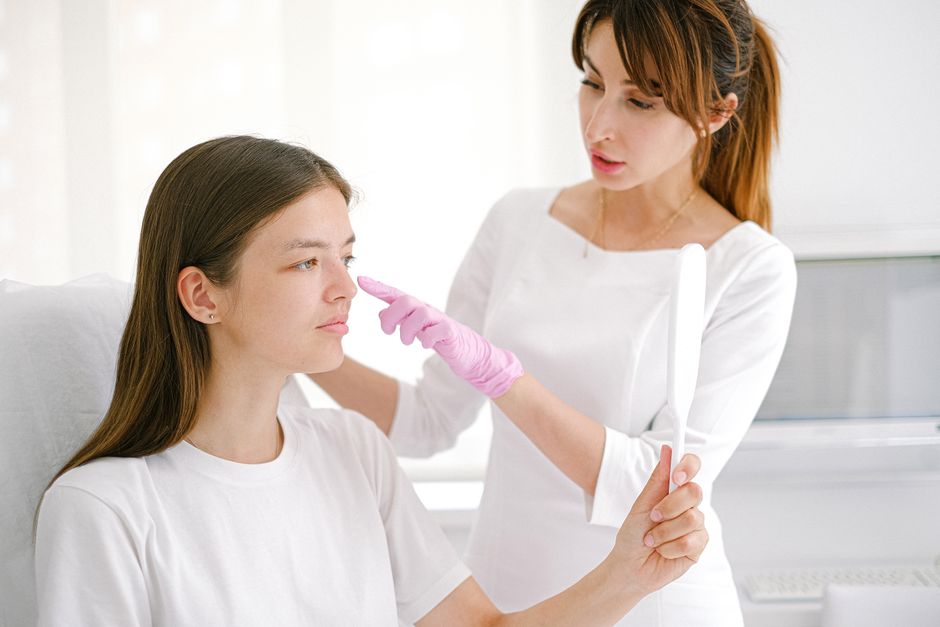
Becoming a dermatologist in Pennsylvania takes about 12 years after high school. The path runs through a four-year college degree, four years of medical school, a one-year internship, and three years of dermatology residency. Pennsylvania has seven medical schools and several dermatology residency programs, but the field is among the most competitive in medicine.
How To Become A Dermatologist Pa Step By Step
The pathway is long, structured, and heavily regulated. Each stage builds on the last, and skipping steps is not possible if you want a license to practice.
Step 1: Complete a Bachelor’s Degree
Every U.S. medical school requires a bachelor’s degree or equivalent before enrollment. Most students take four years. No specific major is required, but medical schools expect coursework in biology, general and organic chemistry, physics, and often biochemistry and math.
Grade point average matters a great deal. Dermatology residency programs are highly selective, and medical school admissions committees look closely at science GPA. Students who aim for dermatology later often choose demanding majors and maintain strong academic records from the start.
Beyond coursework, medical schools look for clinical exposure, research experience, and volunteer work. None of these are strictly required, but they are common among successful applicants.
Step 2: Take the MCAT and Apply to Medical School
The Medical College Admission Test (MCAT) is required by nearly all U.S. medical schools. It covers biology, chemistry, physics, psychology, and critical reasoning. Scores are reported on a scale that runs from 472 to 528.
Applications go through the American Medical College Application Service (AMCAS). Pennsylvania applicants may also use TMDSAS if applying to Texas schools, but that is a separate system. Most students apply to 15 to 25 schools. The process takes about a year from application to enrollment.
Step 3: Complete Four Years of Medical School
Medical school is four years. The first two years focus on basic sciences and classroom learning. The last two years are clinical rotations across specialties including internal medicine, surgery, pediatrics, psychiatry, obstetrics, and others.
Dermatology is not always a required rotation, so students interested in the field often arrange elective time in dermatology clinics. This is where they build relationships with faculty who may later write letters of recommendation.
During the fourth year, students apply to residency programs through the Electronic Residency Application Service (ERAS) and participate in the National Resident Matching Program (NRMP).
Step 4: Complete a One-Year Internship
After medical school, graduates enter a preliminary or transitional year. This is a one-year program in internal medicine, general surgery, or a broad transitional year. It provides general clinical training before dermatology-specific work begins.
Some dermatology programs integrate this year directly into their residency structure. Others require applicants to match separately for the internship year. Either way, the year is mandatory.
Step 5: Complete Three Years of Dermatology Residency
Dermatology residency lasts three years after the internship year. Residents learn medical dermatology, surgical dermatology, dermatopathology, and cosmetic procedures. They see patients in clinics, perform biopsies and excisions, and study skin disease under microscopes.
Residency is where the bulk of clinical skill develops. By the end, residents are expected to diagnose and manage a wide range of skin conditions independently.
Step 6: Obtain a Pennsylvania Medical License
To practice in Pennsylvania, physicians must be licensed by the Pennsylvania State Board of Medicine. Requirements include graduation from an accredited medical school, completion of an accredited residency or internship, and passing the United States Medical Licensing Examination (USMLE) or the Comprehensive Osteopathic Medical Licensing Examination (COMLEX-USA).
Licensure also requires a criminal background check and payment of fees. The board reviews applications and issues licenses to qualified applicants. Specific fees and processing times change, so applicants should check the board’s current requirements directly.
Step 7: Consider Board Certification
Most dermatologists pursue board certification through the American Board of Dermatology (ABD). Certification requires passing a written exam and, in most cases, an applied exam. Certification must be maintained through ongoing continuing medical education and periodic reassessment.
Board certification is not legally required to practice in Pennsylvania, but it is widely expected by employers, hospitals, and patients. Most insurance panels also require it.
How Competitive Is Dermatology Residency in Pennsylvania?
Dermatology is one of the most competitive specialties in U.S. medicine. The number of applicants consistently exceeds the number of available residency positions nationwide.
Pennsylvania has dermatology residency programs at several academic medical centers, including programs affiliated with the University of Pennsylvania, Thomas Jefferson University, and Penn State Health, among others. Each program accepts a small number of residents per year.
Competitive applicants typically have strong USMLE scores, research experience, and letters of recommendation from dermatology faculty. Some programs value research publications highly. Others prioritize clinical performance during away rotations.
Because the field is small, many applicants complete away rotations at programs they hope to match into. These rotations allow faculty to observe a candidate’s work ethic and clinical skills directly.
What Does a Dermatologist Actually Do?
Dermatologists diagnose and treat conditions affecting the skin, hair, nails, and mucous membranes. The scope is broader than many people realize.
Medical dermatology includes acne, eczema, psoriasis, skin infections, autoimmune skin diseases, and skin cancer. Surgical dermatology includes biopsies, excisions, Mohs micrographic surgery, and laser treatments. Dermatopathology involves examining skin tissue under a microscope to make or confirm diagnoses.
Some dermatologists focus on cosmetic procedures such as Botox, fillers, and laser resurfacing. Others work primarily in academic medicine, teaching and conducting research.
Dermatologists also play a major role in detecting melanoma and other skin cancers early. Skin cancer is the most common cancer in the United States, and early detection significantly improves outcomes.
How Long Does the Entire Process Take?
From the start of college to the end of residency, the timeline is approximately 12 years. That includes four years of undergraduate study, four years of medical school, one year of internship, and three years of dermatology residency.
Some students take a gap year between college and medical school, which extends the timeline. Others pursue additional fellowship training after residency, such as a fellowship in Mohs surgery, dermatopathology, or pediatric dermatology. Fellowships typically add one to two years.
Board certification exams usually happen after residency. The written exam is typically taken shortly after completing residency, while the applied exam may be taken later.
What Are the Costs Involved?
The financial cost of becoming a dermatologist is substantial. Medical school tuition in the United States commonly ranges from about $40,000 to over $70,000 per year for in-state public schools, and higher for private schools. These figures vary by institution and change over time.
Living expenses, exam fees, application fees, and travel for interviews add to the total. Many students take out significant loans. Some pursue scholarship programs or service commitments in exchange for tuition assistance.
Residency salaries are modest but provide income during training. According to data from the Association of American Medical Colleges, first-year resident stipends typically range from roughly $60,000 to $70,000, though this varies by program and region.
What Skills and Traits Matter Most?
Dermatology requires strong visual pattern recognition. Much of the diagnosis happens by looking carefully at the skin. Residents spend years training their eye to distinguish between conditions that can look similar.
Attention to detail matters. Small differences in lesion color, border, and texture can change a diagnosis. Procedural skills matter too, especially for those who perform surgery.
Communication is also important. Skin conditions can be chronic and visible, affecting quality of life. Dermatologists often manage long-term relationships with patients who need ongoing care.
Research skills are increasingly valuable. Many residency programs expect residents to participate in scholarly activity, and academic dermatologists often publish regularly.
Are There Alternatives or Shorter Paths?
No shorter path leads to becoming a physician dermatologist in Pennsylvania. The training requirements are set by accrediting bodies and state law.
However, some roles in dermatology do not require the full physician pathway. Physician assistants and nurse practitioners can specialize in dermatology and practice under physician supervision or, in some states, independently. Their training is shorter but different in scope.
Estheticians and dermatology technicians perform cosmetic and support tasks but are not licensed to diagnose or treat medical skin disease. These roles require far less training and do not lead to physician licensure.
Anyone who wants to independently diagnose and treat skin disease as a physician must complete the full pathway.
What Should You Do First If You Are Interested?
Start with strong science coursework in high school and college. Maintain a high GPA. Seek clinical exposure by volunteering in clinics, shadowing physicians, or working as a medical assistant.
Research experience helps. Many dermatology applicants have publications or presentations. It is not strictly required, but it strengthens an application in a competitive field.
Talk to dermatologists. Ask about their training path, what they wish they had known, and what they look for in applicants. Most physicians are willing to share their experience.
Plan early. The timeline is long, and each stage depends on the one before it. Students who decide on dermatology late can still succeed, but they may need additional years to build the credentials that competitive programs expect.
Frequently Asked Questions
How many years does it take to become a dermatologist in Pennsylvania?
It takes approximately 12 years after high school. That includes four years of college, four years of medical school, one year of internship, and three years of dermatology residency.
Do you need a specific college major to become a dermatologist?
No specific major is required, but medical schools expect coursework in biology, chemistry, physics, and often biochemistry. Most applicants choose science-related majors because the prerequisite courses overlap with those degrees.
Is dermatology residency competitive in Pennsylvania?
Yes. Dermatology is one of the most competitive specialties nationwide. Pennsylvania programs accept a small number of residents each year and typically receive far more applications than they have positions.
Can a physician assistant or nurse practitioner become a dermatologist?
No. Physician assistants and nurse practitioners can specialize in dermatology, but they are not dermatologists. Only physicians who complete medical school and dermatology residency can practice as dermatologists.
