
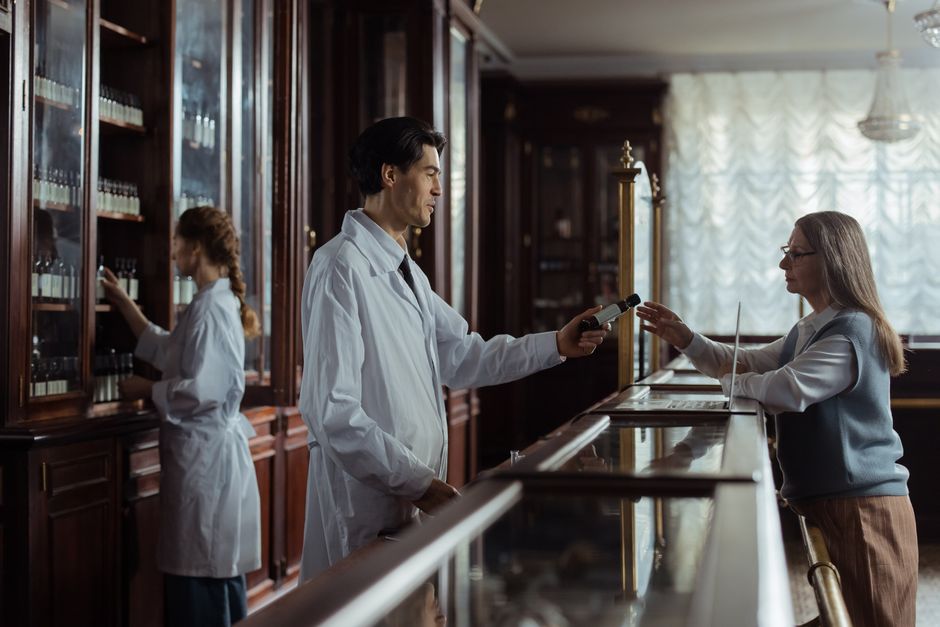
Becoming a cannabis pharmacist means earning a Doctor of Pharmacy (PharmD) degree, passing the North American Pharmacist Licensure Examination (NAPLEX) and your state’s jurisprudence exam, and then building cannabis-specific knowledge on top of that standard license. No state currently issues a separate “cannabis pharmacist” license, so the path is a standard pharmacy license plus specialized training and, in some states, a specific certification for dispensing medical cannabis.
The confusion is understandable. People hear “cannabis pharmacist” and assume there is a dedicated credential. There isn’t one yet. What exists is a growing role that combines a regular pharmacy license with extra education in cannabinoid pharmacology, state cannabis regulations, and patient counseling. Here is how the pieces actually fit together.
How To Become A Cannabis Pharmacist Pharmd To License?
The sequence is fixed: PharmD first, licensure second, cannabis specialization third. You cannot skip ahead. Cannabis-specific work sits on top of the standard pharmacist foundation, not instead of it.
Here is the realistic order of operations:
- Complete a bachelor’s-level pre-pharmacy coursework, typically two to four years depending on the program.
- Earn a Doctor of Pharmacy degree from an accredited pharmacy school. The PharmD itself takes four years of full-time study.
- Pass the NAPLEX and the Multistate Pharmacy Jurisprudence Examination (MPJE), or your state’s equivalent law exam.
- Complete your state’s required internship hours and any additional state requirements for licensure.
- Build cannabis-specific knowledge through continuing education, certificate programs, or on-the-job training in a dispensary or clinical setting.
The total timeline from starting college to holding a pharmacist license is generally six to eight years. That range is well established in pharmacy education and does not change because the specialty is cannabis.
Does a separate cannabis pharmacy license exist?
No. As of current practice, no US state issues a distinct “cannabis pharmacist” license. Some states have created specific roles or certifications within their medical cannabis programs, but these sit on top of a standard pharmacist license rather than replacing it.
This is a fast-moving area of regulation. Requirements differ by state and change over time, so the specific rules for your state need to be checked directly with that state’s board of pharmacy rather than assumed.
What Does a Cannabis Pharmacist Actually Do?
A cannabis pharmacist applies standard pharmacy skills to a plant-based product with unusual regulatory and clinical complexity. The job is less about the plant and more about the patient.
Day-to-day work can include reviewing a patient’s full medication list for interactions, counseling on dosing and routes of administration, and helping patients understand what the evidence does and does not support. It also involves navigating a patchwork of state laws that differ substantially from federal law.
The clinical side matters because cannabis is not a single drug. Tetrahydrocannabinol (THC) and cannabidiol (CBD) act differently, and product formulations vary widely in potency and consistency. A pharmacist’s role is to bring rigor to a product category that is often marketed loosely.
What Education and Training Do You Need?
The PharmD is the non-negotiable core. Standard pharmacy curricula cover pharmacology, pharmacokinetics, medicinal chemistry, and therapeutics. Cannabis-specific content is not uniformly built into these programs, though some schools have added electives or modules.
Because formal cannabis education is inconsistent across schools, much of the specialized knowledge is gained after graduation. Options include continuing education courses, professional certificate programs, and training offered through dispensaries or clinical practices.
Be careful here. The quality of cannabis certificate programs varies widely. Some are rigorous and taught by pharmacists or clinicians. Others are marketing products with little substantive content. There is no single accrediting body specifically for cannabis pharmacist training, so the value of any given program depends heavily on who designed and teaches it.
What Licensing Exams and State Requirements Apply?
Every pharmacist, cannabis-focused or not, must pass the NAPLEX and a jurisprudence exam, and must meet their state’s internship and licensure requirements. These are the same exams all pharmacists take. There is no cannabis-specific licensing exam.
State medical cannabis programs add their own layer. Some states require pharmacists to register with the state cannabis authority, complete specific training, or hold a designated role within a dispensary. These requirements are set state by state and are not standardized nationally.
This is where most confusion arises. A pharmacist licensed in one state may find that the cannabis-related requirements in another state are entirely different. The state board of pharmacy and the state’s cannabis regulatory agency are the authoritative sources, and both should be consulted.
Is Cannabis Pharmacy a Growing Career Path?
Interest in the role has grown as more states have legalized medical cannabis. Whether the career is stable and well-paid is a different question, and the honest answer is that the evidence is limited and the picture is uneven.
Employment depends heavily on state law, the number of licensed dispensaries, and whether a state requires or encourages pharmacist involvement. In some states, pharmacists play a defined clinical role in dispensaries. In others, the role is minimal or absent.
Because the field is tied to a changing regulatory landscape, career prospects can shift with legislation. Anyone considering this path should look at the specific rules and market in the state where they intend to work rather than assuming a national trend.
What Should You Know Before Pursuing This Path?
Go in with clear eyes about what is and is not established. The PharmD and licensure path is well defined and stable. The cannabis specialization is newer, less standardized, and more dependent on state law.
Two things are worth separating in your mind. First, the clinical evidence base for cannabis in various conditions is genuinely mixed and still developing. A pharmacist in this role needs to be comfortable telling patients when the evidence is thin, not just when it is promising. Second, the regulatory environment is in flux. Rules that apply today may change.
If you are considering pharmacy school primarily because of an interest in cannabis, it is worth confirming that the standard pharmacy career also appeals to you. The cannabis role is a specialization, not a guaranteed destination, and it depends on factors outside your control.
Frequently Asked Questions
Do you need a special license to be a cannabis pharmacist?
No. No US state currently issues a separate cannabis pharmacist license. You need a standard pharmacist license, and some states add specific registration or training requirements for cannabis-related work.
How long does it take to become a cannabis pharmacist?
Expect roughly six to eight years from starting college to holding a pharmacist license, since the PharmD alone takes four years. Cannabis-specific training comes after licensure and adds variable time depending on the program.
Can you work with cannabis without a PharmD?
You can work in the cannabis industry without a PharmD, but you cannot work as a pharmacist without one. The pharmacist role specifically requires the degree and license.
Is cannabis pharmacy training standardized?
No. There is no single accrediting body specifically for cannabis pharmacist training, and program quality varies widely. The value of any program depends on who designed and teaches it.
