
Testing for hypoglycemia starts with a blood sample, not a guess. The most reliable way to confirm low blood sugar is to measure glucose in the blood at the moment symptoms occur, using a lab draw or a home glucose meter. Doctors then use that number, plus the timing of symptoms and what happens when glucose rises again, to decide whether the low reading is real and what is causing it.
This guide explains which tests doctors use, what the numbers mean, why timing matters, and when a more involved hospital test is needed. It also separates proven testing from the loose advice you find online.
What Blood Sugar Level Counts As Hypoglycemia?
In people with diabetes, hypoglycemia is generally defined as a blood glucose level below 70 mg/dL. This threshold is widely used in clinical practice and is the number most diabetes guidelines reference.
That 70 mg/dL cutoff is specific to people treated for diabetes. For someone without diabetes, there is no single agreed number that defines hypoglycemia on its own. A low reading in a person without diabetes only becomes meaningful when it lines up with symptoms and improves when glucose comes back up. Doctors call this the Whipple triad: low glucose, symptoms that fit, and relief when glucose is corrected.
Mild lows are often felt but not dangerous in the moment. Severe hypoglycemia is different. It means glucose is low enough that the person cannot treat themselves and needs help from someone else. That distinction matters more than the exact number on the meter.
How To Be Tested For Hypoglycemia at Home and in a Lab
The first step is to check your glucose while you have symptoms. A reading taken hours later, when you feel fine, tells you almost nothing.
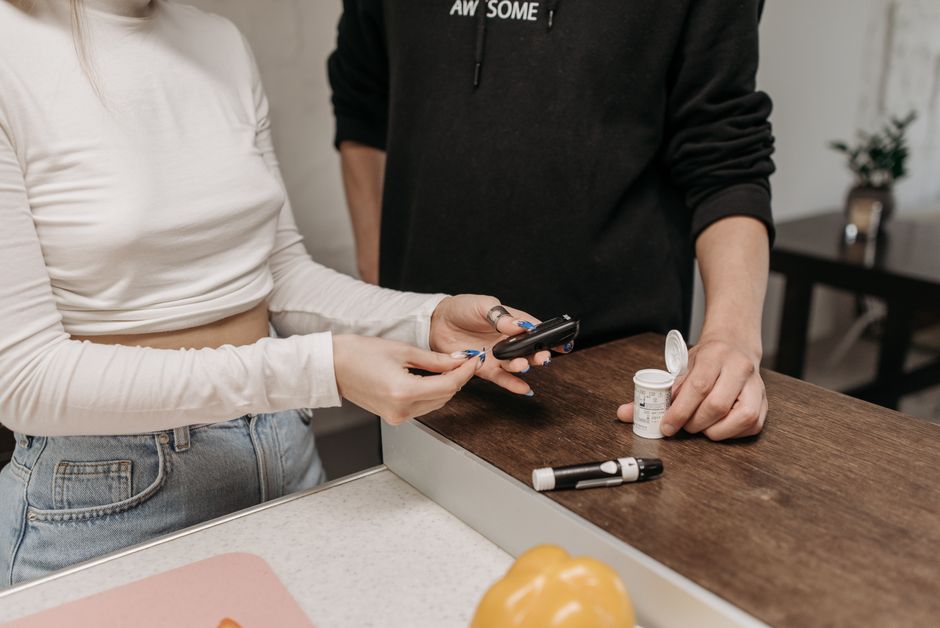
Home testing uses a glucose meter and a fingerstick. It gives a fast result and is useful for spotting a pattern. The limitation is accuracy. Home meters are not as precise as lab tests, especially at low values, so a single low reading is a clue, not a diagnosis.
Lab testing draws blood and measures glucose with more precision. A doctor may order a fasting glucose test, which is taken after not eating for at least 8 hours. A fasting glucose between 70 and 99 mg/dL is considered normal in adults. Values below 70 mg/dL on a lab draw carry more weight than a home meter reading.
One practical point people miss: the blood sample itself matters. Glucose in a tube of blood continues to be used by red blood cells after the draw. If a sample sits too long before it is processed, the measured glucose can read falsely low. Labs handle this, but it is a real reason a low result sometimes needs to be repeated before anyone acts on it.
Why Timing and Symptoms Change the Test Result
A low glucose number means little without context. The same reading can be harmless in one situation and a warning sign in another.
Doctors pay close attention to when symptoms happen. Lows that occur after fasting, after exercise, after alcohol, or a few hours after a meal point in different directions. Symptoms that only appear when glucose is low, and that resolve within minutes of eating or drinking something with sugar, are strong evidence the low is real.
Symptoms themselves are unreliable on their own. Shakiness, sweating, hunger, a fast heartbeat, confusion, and irritability can all come from low glucose. But they can also come from anxiety, a panic attack, or skipping a meal without a true low. That is why the number and the symptoms have to be matched, not judged separately.
Some people develop what clinicians call hypoglycemia unawareness. Their glucose drops without the usual warning symptoms, often after repeated lows. This is seen most in people with diabetes on insulin or certain medications. It makes home testing more important, because the body is no longer sending a clear signal.
What Is the Whipple Triad and Why Does It Matter?
The Whipple triad is the standard doctors use to confirm that symptoms are truly caused by low glucose. It has three parts, and all three should be present.
- A measured low blood glucose level
- Symptoms that are consistent with hypoglycemia
- Relief of symptoms when glucose returns to normal
When all three line up, the diagnosis is much stronger. When they do not, the cause of the symptoms is probably something else. This is why a doctor may ask you to record your glucose and symptoms together over days or weeks rather than rely on one visit.
When Do You Need a Supervised Fasting Test?
Some cases need testing that cannot be done safely at home. A supervised fasting test is done in a clinical setting where glucose is monitored over a set period while the person does not eat.
This test is used mainly when a doctor suspects a rare cause of hypoglycemia in someone without diabetes, such as an insulin-producing tumor. It is not a routine test. It is reserved for cases where the history and initial results point toward a serious underlying cause.
During a supervised fast, staff check glucose at intervals and watch for symptoms. The test is stopped if glucose drops too low or symptoms become significant. The goal is to catch a real low under controlled conditions and, at the same time, measure related hormones such as insulin. That combination helps separate a true hormonal problem from other explanations.
No clinical guidelines recommend doing a prolonged fast on your own at home. It is not safe and it does not produce reliable information.
Which Other Tests Might Your Doctor Order?
If the basic glucose tests point to a real problem, a doctor may order additional blood tests. These look for the cause rather than just confirming the low.
Tests can include insulin and C-peptide levels, which help show whether the body is producing too much insulin. They may also check cortisol and other hormones, because some hormonal conditions can lower glucose. Liver and kidney function tests are sometimes included, since these organs affect how the body handles glucose.
The choice of tests depends on the pattern. Someone with lows only after meals is investigated differently from someone with lows after fasting. There is no single panel that covers every case, and a good workup is shaped by the person’s history.
What Can Skew a Hypoglycemia Test?
Several everyday factors can push a glucose reading down or make symptoms look like a low when they are not.
Alcohol is a common one. Drinking can lower glucose, especially on an empty stomach, and it can blur the symptoms that would normally prompt a check. Strenuous exercise without eating can also produce a low reading. Certain medications affect glucose, and so can a recent illness or a change in eating patterns.
Home meters add their own error. A meter that is not calibrated, test strips that are expired, or unwashed hands with sugar on them can all give a misleading number. Washing hands and drying them before a fingerstick is a simple step that prevents a false result.
If a reading surprises you, repeat it before drawing conclusions. A single odd number is not a diagnosis.
When Should You Seek Medical Care?
Get medical help promptly if low glucose is confirmed and symptoms are severe, such as confusion, difficulty speaking, or loss of consciousness. Severe hypoglycemia is a medical situation that needs treatment, not a wait-and-see approach.
For milder cases, see a doctor if you have repeated low readings, if symptoms interfere with daily life, or if you have diabetes and are having frequent lows. Frequent lows in diabetes often mean a medication dose needs review, and that is a conversation for a clinician, not a change to make on your own.
Bring your records to the appointment. A log of glucose readings, symptoms, timing, and what you ate gives a doctor far more to work with than a single number from one visit.
Frequently Asked Questions
Can I test for hypoglycemia at home?
Yes, you can check your glucose with a home meter during symptoms, but home meters are less precise than lab tests. A low home reading is a clue that should be confirmed by a doctor, not a diagnosis on its own.
What blood sugar level is considered low?
In people with diabetes, hypoglycemia is generally defined as below 70 mg/dL. For people without diabetes, there is no single number that defines it, and a low reading only counts when it matches symptoms and improves when glucose rises.
Do I need to fast for a hypoglycemia test?
It depends on the test. A fasting glucose test requires not eating for at least 8 hours, while a check during symptoms does not. Follow the specific instructions your doctor gives you.
Can anxiety make a glucose test look low?
Anxiety does not usually lower blood glucose, but it can cause symptoms like shakiness and a fast heartbeat that feel like a low. That is why testing the actual glucose level matters more than judging symptoms alone.
