
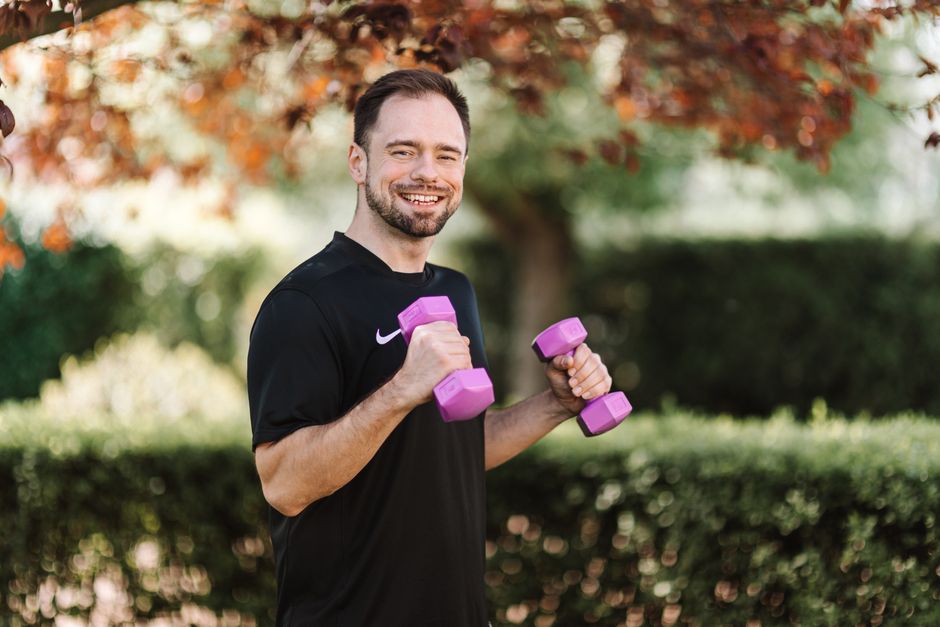
Physical health is not about perfection, trends, or punishing routines. It is about meeting your body’s basic needs consistently enough that your systems run well. The core requirements are regular movement, balanced nutrition, adequate sleep, stress management, and routine preventive care. Skip the fads and focus on these foundations — they are what the evidence actually supports.
What Does Physical Health Really Mean?
Physical health means your body can perform daily tasks without undue fatigue or pain, and your internal systems — heart, lungs, muscles, metabolism, immune function — operate within normal ranges. It is not a number on a scale or a gym membership. It is functional capacity and disease resistance.
When researchers measure physical health, they look at objective markers: blood pressure, resting heart rate, cholesterol profiles, blood sugar control, body composition, and aerobic fitness. These markers respond to lifestyle choices. That is good news. It means you have substantial control over your trajectory, regardless of your starting point.
Genetics matter, but they are not destiny. Studies consistently show that lifestyle factors account for a large share of chronic disease risk. The behaviors that move these markers are well established and surprisingly simple.
How Much Exercise Do You Actually Need?
The minimum effective dose of exercise is less than most people think. Established clinical guidelines recommend at least 150 minutes of moderate-intensity aerobic activity per week, plus muscle-strengthening activities on two or more days per week. That breaks down to about 30 minutes, five days a week — brisk walking counts.
Moderate intensity means your heart rate is elevated and you can talk but not sing. Vigorous activity — running, swimming laps, cycling fast — counts double. So 75 minutes of vigorous exercise weekly meets the aerobic requirement.
Strength training is often neglected, but it is not optional. Muscle mass declines with age if you do not challenge it. This matters for metabolism, bone density, and fall prevention in later years. Two sessions per week of resistance work — bodyweight exercises, bands, or weights — targeting all major muscle groups is the standard recommendation.
Something is always better than nothing. The dose-response curve for exercise is steepest at the low end. A person going from zero activity to 60 minutes weekly gains more health benefit than someone going from 300 to 360 minutes. If you are sedentary, any increase helps.
What Should You Eat for Physical Health?
Dietary guidance boils down to a few durable principles that have survived decades of research. Eat mostly whole foods. Prioritize vegetables, fruits, legumes, nuts, and whole grains. Limit ultra-processed foods, added sugars, and excessive sodium. Choose water as your primary beverage.
Protein needs are often misunderstood. Most adults need roughly 0.8 grams per kilogram of body weight daily, which most people meet without supplements. Active adults and older adults may benefit from higher intake — around 1.2 to 1.6 grams per kilogram — to preserve muscle mass. If you eat regular meals containing meat, fish, eggs, dairy, or legumes, you are likely covered.
Healthy fats are not the enemy. Unsaturated fats from olive oil, avocados, nuts, and fatty fish support heart health. The evidence against trans fats is strong; the evidence against all saturated fat is more nuanced. The clearest dietary signal in research is that ultra-processed food is associated with worse health outcomes, including weight gain and cardiovascular disease.
No single food determines your health. Patterns matter more. The Mediterranean dietary pattern — abundant plant foods, fish, olive oil, moderate dairy — has the strongest evidence base for reducing cardiovascular events and overall mortality.




How Important Is Sleep for Physical Health?
Sleep is not downtime. It is active restoration. During deep sleep, your body repairs tissue, consolidates memory, and regulates hormones that control appetite and metabolism. Chronic short sleep is associated with higher rates of obesity, diabetes, hypertension, and cardiovascular disease.
The clinical consensus is that adults need seven to nine hours of sleep per night. Consistently sleeping fewer than seven hours is linked to measurable health changes: impaired glucose tolerance, increased cortisol, higher inflammation markers, and reduced immune function.
Sleep quality matters as much as quantity. Waking unrefreshed, snoring loudly, or gasping during sleep may indicate obstructive sleep apnea — a serious condition that increases cardiovascular risk. If you have these symptoms, discuss them with a clinician. Untreated sleep apnea is not something to manage with willpower.
Practical sleep hygiene works: consistent sleep and wake times, a cool dark bedroom, no screens 30–60 minutes before bed, and caffeine restriction after early afternoon. These strategies are supported by sleep research and cost nothing.
Does Hydration Really Matter That Much?
Water is essential for every physiological process — temperature regulation, nutrient transport, joint lubrication, waste removal. Even mild dehydration can impair physical performance, cognitive function, and mood.
The old advice of eight glasses a day is not evidence-based. Fluid needs vary with body size, activity, climate, and diet. A more reliable signal is urine color — pale yellow indicates adequate hydration. Dark urine means drink more. Clear urine means you may be overhydrating, which is rarely harmful for healthy adults but unnecessary.
Most people can meet fluid needs by drinking when thirsty and with meals. Athletes, older adults, and people in hot climates need more deliberate attention to intake. Thirst sensation diminishes with age, so older adults should not rely on it alone.
What Role Does Preventive Care Play?
Routine checkups catch problems before they become symptomatic. Blood pressure, blood glucose, and cholesterol can be abnormal for years without noticeable symptoms. By the time symptoms appear, damage may already be done.
Age-appropriate screenings — blood pressure checks, cholesterol panels, blood glucose testing, cancer screenings — are part of physical health maintenance. The specific screenings recommended depend on age, sex, and risk factors. A clinician can guide you based on your individual profile.
Vaccinations are preventive care too. Annual influenza vaccination and updated COVID-19 vaccines reduce infection risk and severity. Adults should also confirm they are current on tetanus, and discuss shingles and pneumococcal vaccines with their clinician as they age.
Dental health connects to physical health more than people realize. Periodontal disease is associated with increased cardiovascular risk and worse blood sugar control in diabetes. Brushing twice daily, flossing, and regular dental cleanings are part of overall physical health.
How To Be Physically Healthy What You Actually Need — Managing Stress
Chronic stress is not just unpleasant — it is physiologically costly. Prolonged elevation of cortisol is associated with increased abdominal fat, impaired immune function, and higher blood pressure. Stress management is therefore a physical health issue, not a luxury.
Exercise is one of the most effective stress-reduction tools available. A single session of moderate aerobic activity reduces anxiety temporarily, and regular exercise builds resilience to stress over time. Mindfulness meditation has a solid evidence base for reducing stress and improving emotional regulation.
Social connection is protective. People with strong social relationships have lower mortality risk across many studies. Isolation is a genuine risk factor for poor physical and mental health. Regular contact with friends, family, or community groups counts as health maintenance.
If stress feels unmanageable, or you notice persistent anxiety, low mood, or loss of interest in activities, speak with a clinician. Mental health conditions are medical conditions. They respond to treatment, and they affect physical health when untreated.
What Actually Works — And What Is Marketing Noise
The supplement industry thrives on the promise that a pill can replace healthy habits. The evidence does not support this. For most people eating a varied diet, multivitamins have not been shown to prevent chronic disease or extend lifespan. Specific supplements — vitamin D for people with deficiency, omega-3s for those with high triglycerides — have targeted uses but are not universal necessities.
Detoxes and cleanses have no scientific basis. Your liver and kidneys perform continuous detoxification. No juice fast, colon cleanse, or tea regimen improves on these organs’ normal function. Some cleanses are actively harmful, particularly those that cause dehydration or electrolyte imbalance.
Wearable fitness trackers can be useful tools for accountability, but they are not medical devices. Step counts and heart rate estimates are reasonably accurate, but calorie expenditure estimates are unreliable. Use them for motivation, not as authoritative health data.
The most evidence-backed approach to physical health remains unglamorous: move regularly, eat mostly whole foods, sleep seven to nine hours, manage stress, and see a clinician for preventive care. Every other strategy is secondary.
Frequently Asked Questions
How long does it take to see results from exercise?
Most people notice improved energy and easier daily movement within two to four weeks of consistent exercise. Measurable changes in fitness, strength, and body composition typically appear within eight to twelve weeks.
Is walking enough exercise to stay healthy?
Brisk walking for 150 minutes per week meets the aerobic activity guideline for health maintenance. It does not provide the strength training component, so add resistance exercise twice weekly for complete physical health.
Can you be healthy without going to the gym?
Yes. Bodyweight exercises, resistance bands, and home workouts can build and maintain strength. The gym is a tool, not a requirement — consistency matters more than location.
How much water should I drink each day?
There is no universal daily water requirement because needs vary with body size, activity, and climate. Drink when thirsty and monitor urine color — pale yellow signals adequate hydration.
