
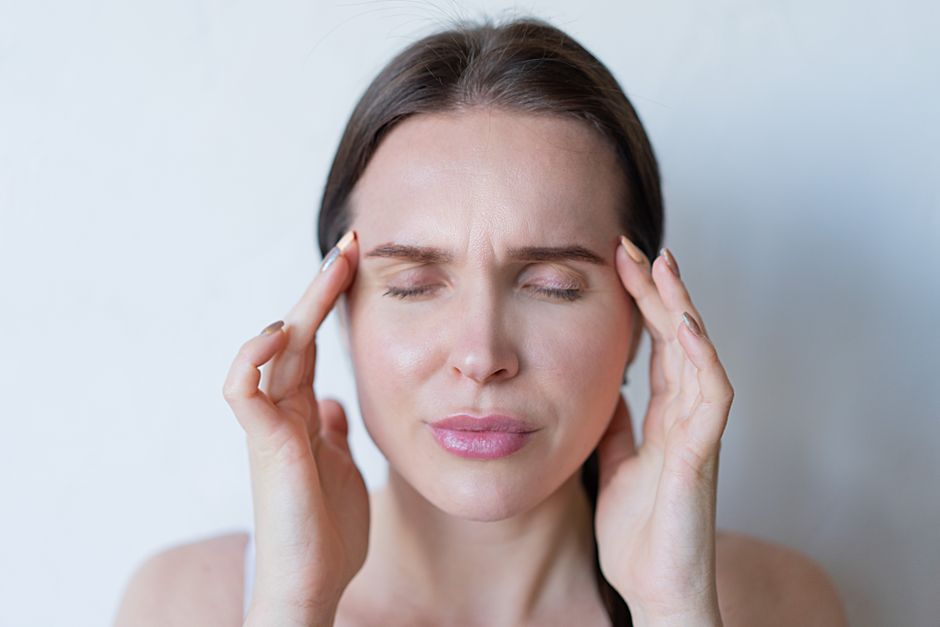
Being less sensitive does not mean becoming numb. It means changing how you respond to what you feel. Highly sensitive people often process sensory and emotional information more deeply than others, and that trait does not disappear with effort. What you can change is how much that information runs your day.
The goal is regulation, not suppression. You keep your empathy, your eye for detail, and your ability to notice what others miss. You build skills so those strengths stop turning into overload. Research on sensory processing sensitivity describes it as a stable temperament trait, not a flaw or a diagnosis. That distinction matters, because it shapes what actually helps.
This article explains what high sensitivity is, why it happens, and which strategies have real support behind them. It also covers what does not work, and when sensitivity is better addressed with professional help.
What Does It Actually Mean to Be a Highly Sensitive Person?
Sensory processing sensitivity is a temperament trait found in a minority of people across many species. The term was introduced by psychologist Elaine Aron, whose research helped establish it as a measurable pattern rather than a personality quirk. People high in this trait tend to notice subtleties, feel emotions strongly, and become overwhelmed when too much is happening at once.
The trait has several components. One is depth of processing, meaning you chew on experiences longer before responding. Another is emotional reactivity and empathy. A third is sensitivity to subtle stimuli, like a change in someone’s tone or a flickering light. The fourth is a lower threshold for overstimulation.
It is worth separating this from a few things it gets confused with. High sensitivity is not the same as shyness, though they can overlap. It is not social anxiety, though sensitive people can develop it. And it is not the same as being emotionally unstable. A calm, confident person can still be highly sensitive.
Estimates of how common the trait is vary by how it is measured and which cutoff is used. Roughly, studies suggest it applies to a substantial minority of the population, often reported as around 15 to 30 percent depending on the definition. The exact figure is less important than the pattern: some people genuinely take in and process more.
Why Are Some People More Sensitive Than Others?
There is no single cause. Sensitivity appears to come from a mix of genetics, early environment, and how the nervous system is wired. Twin studies suggest the trait is partly heritable, meaning it runs in families to some degree. But genes do not tell the whole story.
At the level of the nervous system, sensitive people may show stronger reactions in circuits involved in noticing and reacting to stimuli. Some research points to differences in how the brain handles emotional and sensory input. These findings are consistent but not yet precise enough to explain every individual case.
Early life matters too. Children who grew up in unpredictable or stressful environments sometimes develop a heightened alertness to threats and subtle cues. That is adaptive in the short term. It becomes exhausting when the environment is safe and the alertness never turns off.
One non-obvious point: sensitivity and stress reactivity are related but not identical. You can be sensitive without being chronically stressed, and you can be stressed without being highly sensitive. Untangling the two is often the first useful step, because the strategies differ.
How To Be Less Sensitive Without Losing Who You Are
You do not lower your sensitivity. You lower how often it overwhelms you. The practical target is reducing the gap between what you feel and how much it costs you. That gap is where most of the struggle lives.
Several approaches have reasonable support, mostly from research on emotion regulation and stress management. None of them erase the trait. They change your relationship to it.
- Name what you feel. Putting a word to an emotion can reduce its intensity. This is sometimes called affect labeling, and it is one of the more reliable findings in emotion research.
- Build in recovery time. If crowds, noise, or conflict drain you faster than they drain others, schedule quiet afterward rather than pushing through.
- Adjust the input, not just the reaction. Earplugs, dimmer lighting, and fewer simultaneous demands reduce the load before it builds.
- Practice pausing before responding. A short delay lets the first wave of emotion pass so you can choose your response.
- Set boundaries early. Sensitive people often absorb others’ moods. Deciding in advance what you will and will not take on limits that spillover.
What does not work is trying to feel nothing. Suppression tends to backfire. Studies on emotional suppression suggest it can increase physiological stress and reduce memory for the situation, while the emotion often returns. You are not aiming for a wall. You are aiming for a filter you control.
There is also a reframe worth considering. Much of what makes sensitivity difficult is the same thing that makes it valuable. The person who notices the tension in a room is also the person who notices when a colleague is struggling. The goal is not to turn that off. It is to keep it from running you down.





Which Daily Habits Reduce Emotional Overwhelm?
Sleep is the foundation. When sleep is short, emotional reactivity rises for almost everyone, and sensitive people tend to feel it first. Protecting a consistent sleep schedule does more for day-to-day calm than most techniques aimed directly at emotions.
Regular physical activity also helps regulate mood and stress. The evidence for exercise improving mood and reducing anxiety symptoms is solid, though the effect on any one person varies. You do not need intense training. Consistent moderate activity is enough to matter.
Other habits with reasonable support include:
- Limiting news and social media during high-stress periods
- Spending time in quieter natural settings when possible
- Keeping a simple routine so fewer decisions drain you
- Reducing caffeine, which amplifies the body’s stress response for many people
- Building at least one or two relationships where you do not have to perform
Mindfulness-based practices have a decent evidence base for reducing stress and improving emotion regulation, though results across studies vary and not everyone responds the same way. If sitting meditation does not suit you, slower breathing or a short walk can serve a similar purpose.
One caution: none of these are treatments for a clinical condition. If your sensitivity comes with persistent anxiety, low mood, or difficulty functioning, habits alone are unlikely to be enough. That is a sign to look at the next section, not to try harder.
When Is Sensitivity a Sign of Something Else?
High sensitivity is a trait. Anxiety disorders, depression, post-traumatic stress, and autism spectrum conditions are clinical states, and they can look similar from the outside. A sensitive person may have none of these. A person with one of them may not be highly sensitive at all.
Some signs point toward getting an evaluation rather than self-managing:
- Overwhelm that interferes with work, relationships, or daily tasks
- Persistent anxiety or low mood lasting weeks
- Avoiding situations you used to handle
- Physical symptoms like trouble sleeping, appetite changes, or constant tension
This is where the evidence is clear: these patterns respond to proper assessment and, when appropriate, treatment. Therapy approaches such as cognitive behavioral therapy have strong support for anxiety and depression. Medication helps some people and not others, and decisions about it belong with a clinician who knows your history.
It is also fair to say that some clinicians and researchers treat high sensitivity itself as worth discussing in therapy, while others focus on the specific symptoms it produces. The field does not fully agree on whether the trait needs treatment at all. That is an honest limitation, not a reason to avoid help if you are struggling.
Can You Keep Your Empathy and Still Protect Yourself?
Yes, and this is the part most advice gets wrong. Empathy and boundaries are not opposites. You can feel what someone else feels and still decide how much of it you carry. The skill is in the second half of that sentence.
One practical method is to separate empathy from responsibility. Feeling for someone is not the same as being obligated to fix their problem. Sensitive people often blur the two, then feel guilty when they step back. Naming the difference out loud, even to yourself, reduces that guilt.
Another is to notice when you are absorbing a mood that is not yours. If you feel tense after a conversation, ask whether the tension started with you or transferred. This is not always easy to tell, but the question itself creates a little distance.
You do not have to choose between being a caring person and being a protected one. The people who last in caring roles, whether personal or professional, are usually the ones who learned to protect themselves without shutting down. That is the version of less sensitive worth aiming for.
Frequently Asked Questions
Can you actually become less sensitive?
You cannot remove a temperament trait, but you can reduce how often it overwhelms you. Skills like emotion labeling, recovery time, and boundaries change your response to sensitivity, not the sensitivity itself.
Is being highly sensitive a mental health condition?
No, sensory processing sensitivity is considered a temperament trait, not a diagnosis. It can overlap with conditions like anxiety or depression, which are separate and treatable.
Does high sensitivity ever go away with age?
The trait tends to remain stable across life, though how much it disrupts your day often changes as you build coping skills. Many adults report it feels more manageable over time.
How do I stop absorbing other people’s emotions?
Start by noticing when a mood did not begin with you, then decide in advance what you will and will not take on. Separating empathy from responsibility is the core skill.
