
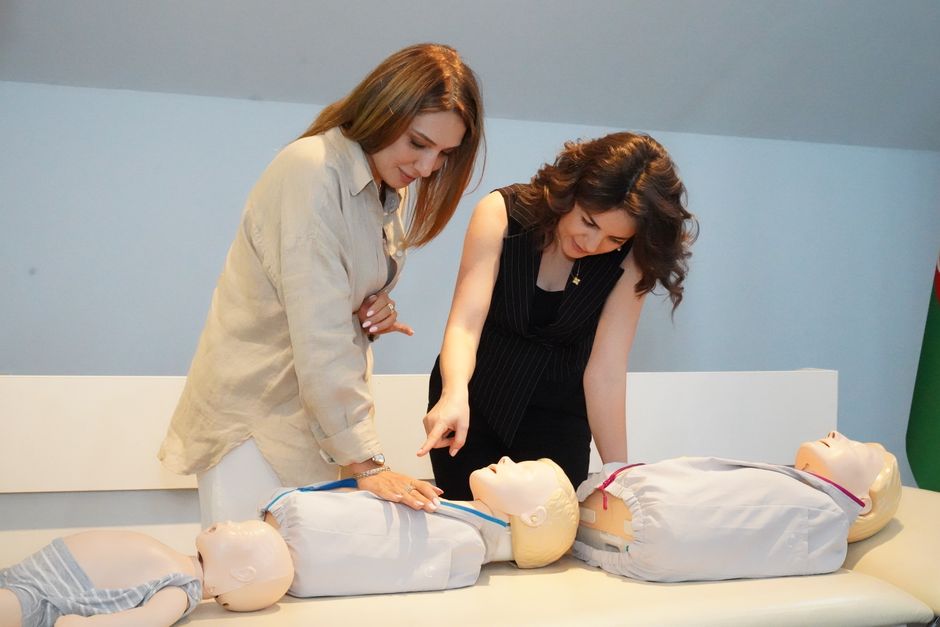
Becoming a first aid instructor means getting certified as an instructor through a recognized training organization, then keeping that certification current. The steps are: meet your certifying body’s prerequisites, complete an instructor course, pass an assessment, and maintain your credential with periodic updates. Costs in the US typically run from a few hundred dollars to around a thousand or more, depending on the organization and what the course includes. The bigger ongoing costs are usually your own recertification and the materials your students need.
This guide breaks down the realistic path, what each step involves, and where the money actually goes. It also covers what the job pays and the parts of the process that surprise new instructors.
What Does A First Aid Instructor Actually Do?
A first aid instructor teaches people how to respond to injuries and sudden illness until professional help arrives. That includes CPR, use of an automated external defibrillator (AED), choking response, bleeding control, and basic assessment of a sick or injured person.
Most instructors work through a certifying organization rather than independently. In the US, the major ones include the American Red Cross, the American Heart Association, and the Health and Safety Institute, among others. You teach under their curriculum and their standards, and your students receive cards or certificates from that organization.
This matters for how the job works. You are not usually free to invent your own course content. The organization sets the material, the required hours, and the skills students must demonstrate. Your role is to deliver that material competently and to verify that each student can actually perform the required skills.
Many instructors teach part time. Some add it to an existing job in healthcare, emergency services, education, or workplace safety. Others build a small business around it, teaching at workplaces, schools, and community groups.
What Are The Steps To Become A First Aid Instructor?
The path has a predictable shape, though the exact requirements differ by organization. Here is the general sequence.
- Meet the age and background requirements. Most organizations require you to be at least 18. Many expect a current first aid and CPR certification before you start instructor training.
- Hold a current provider-level certification. You generally need to be certified in the skills you plan to teach, at the level you plan to teach them.
- Complete an instructor course. This is a structured training program, often blending online modules with in-person practice and a teaching demonstration.
- Pass the assessment. You typically have to demonstrate the skills yourself and show you can teach them to others. Some organizations also require a monitored teaching session before full certification.
- Get affiliated with a training center or sponsor. Many organizations require you to teach through an authorized training center rather than entirely on your own.
- Maintain your credential. Instructor certifications usually expire and require renewal, often every two years, with continuing education or re-assessment.
The order matters less than the prerequisites. If you do not already hold a current provider certification, start there. That is the foundation everything else builds on.
How Much Does It Cost To Become A First Aid Instructor?
Costs vary widely by organization and by what the course package includes. The table below shows typical ranges for the main cost categories. Treat these as planning estimates, not fixed prices, because organizations set their own fees and update them regularly.
| Cost Category | Typical Range | Notes |
|---|---|---|
| Provider-level first aid/CPR certification | $50–$150 | Often a prerequisite; may be included in some packages |
| Instructor certification course | $300–$800 | Varies by organization, format, and location |
| Instructor materials and manual | $50–$150 | Sometimes bundled with the course |
| Student materials per class | Varies | Cards, workbooks, and supplies students need |
| Renewal/recertification | $50–$200 | Usually every two years |
| Teaching equipment (optional) | Varies widely | Manikins, AED trainers, and supplies if you teach independently |
The single biggest variable is whether you teach through an existing training center or set up on your own. Teaching through a center usually means lower upfront equipment costs, because the center owns the manikins and supplies. Going independent means buying your own equipment, which can run into the hundreds or thousands of dollars depending on how much you buy and whether you buy new or used.
One thing people underestimate: the cost of student materials. Every student usually needs a card and often a workbook. If you teach independently, you may pay for these upfront and recover the cost through your class fees. If you teach through a center, the center often handles this.
Which Organization Should You Get Certified Through?
There is no single best organization. The right choice depends on where you plan to teach and who your students will be.
The American Red Cross and the American Heart Association are the most widely recognized names in the US. Their certifications are broadly accepted by employers, schools, and community organizations. The Health and Safety Institute and other nationally recognized bodies offer similar credentials. For most teaching situations, a certification from any widely recognized organization will be accepted.
Check the specific requirements of the places you want to teach. Some workplaces, healthcare employers, and schools specify which organization’s certification they accept. If you already know your target audience, confirm their requirements before you pay for instructor training.
Cost and convenience also matter. Course formats differ. Some organizations offer more online components; others require more in-person hours. Compare what each course includes before deciding, because a cheaper course that leaves out materials or a monitored teaching session may cost more in the end.
How Long Does It Take To Become Certified?
The instructor course itself is usually short. Many programs run over a few days, and some blend online learning with a single in-person session. The full timeline from start to teaching your first class depends mostly on how quickly you complete the prerequisites.
If you already hold a current provider certification, you could realistically go from starting instructor training to teaching within a few weeks. If you need to complete provider certification first, add that time. Provider courses are typically a single day or a short series of sessions, but scheduling and availability can stretch the timeline.
The part that takes longest for many people is finding a training center to affiliate with, if their organization requires one. That step depends on local availability and is worth starting early.
How Much Do First Aid Instructors Earn?
Pay varies enormously because most instructors teach part time or as an add-on to another role. There is no single standard rate.
Instructors are often paid per class or per student rather than by the hour. Rates depend on the organization, the region, the type of class, and whether you teach through a center or independently. Independent instructors set their own fees but also carry their own costs for equipment, materials, and insurance.
It is realistic to treat first aid instruction as supplemental income rather than a full-time salary for most people. Some instructors build it into a larger business, such as workplace safety training or healthcare education, where it fits alongside other services. Anyone considering it as a primary income source should research local demand and typical rates before committing.
What Should You Know Before You Start?
The teaching itself is the easy part for many people. The logistics are what catch new instructors off guard.
You need to be comfortable standing in front of a group and demonstrating physical skills clearly. You also need to be willing to correct students who are performing a skill incorrectly, because the whole point of the certification is that students can actually perform the skills, not just sit through a class.
Insurance is worth understanding. Some organizations and training centers provide liability coverage for instructors teaching under their umbrella. Independent instructors often need their own coverage. Requirements vary, so confirm what applies to your situation rather than assuming.
Finally, keep your own skills current. Instructor certifications and provider certifications both expire. Letting either lapse means you cannot teach until you renew. Put the renewal dates on your calendar the day you get certified.
Frequently Asked Questions
Do you need a medical background to become a first aid instructor?
No. Most organizations do not require a medical or healthcare background, though you must hold a current first aid and CPR certification. Some organizations prefer or require experience teaching or working in a related field.
How much does it cost to become a first aid instructor?
Most people spend somewhere between a few hundred and around a thousand dollars to get certified, including prerequisites and materials. Costs rise if you buy your own teaching equipment to work independently.
How often do you have to renew your instructor certification?
Most organizations require renewal every two years, often with continuing education or re-assessment. Check your specific organization’s requirements, because renewal terms differ.
Can you teach first aid classes independently?
Some organizations allow it, but many require you to teach through an authorized training center. Independent teaching usually means buying your own equipment and possibly carrying your own liability insurance.
