
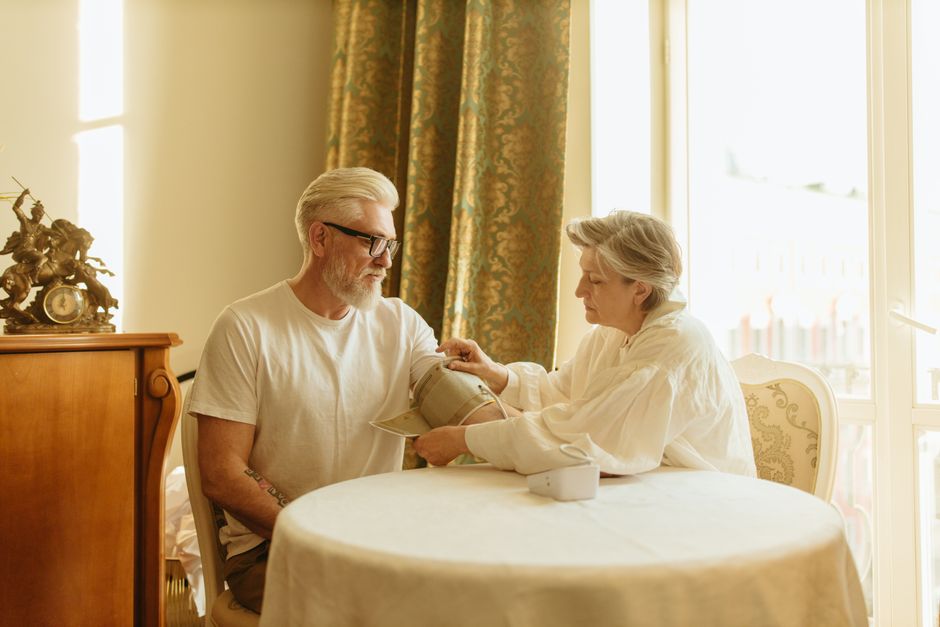
Becoming a family caregiver usually happens fast, and often without training. You learn on the job, in your own home, for someone you love. The core skills are practical: safe movement and transfers, medication management, skin and fall prevention, clear communication with doctors, and protecting your own health so you can keep going. You do not need a medical degree. You need reliable information, a system, and permission to ask for help.
Roughly tens of millions of Americans provide unpaid care to an adult family member or friend, according to national caregiving surveys. Most are not healthcare professionals. That gap between what the role demands and what caregivers are trained to do is where injuries, medication errors, and burnout happen. This guide covers what actually matters.
What Skills Does a Family Caregiver Actually Need?
The skills that matter most are not medical knowledge. They are physical technique, observation, organization, and communication. You are the person who sees this individual every day, which makes you the most important set of eyes on their condition.
Start with safe body mechanics. Back injuries are one of the most common reasons caregivers end up unable to continue. Learning to move a person without lifting with your spine is a skill you can learn in an afternoon and use for years.
Next comes observation. You need to recognize what is normal for this person and what has changed. A new confusion, a sudden inability to stand, a wound that looks different — these are signals, not inconveniences. Caregivers who can describe changes clearly to a clinician get faster answers.
Medication management is a third core skill. Many older adults take five or more prescription medications, and the risk of interactions and errors rises with each one. You do not need to understand pharmacology. You need an accurate list, a system for tracking doses, and the habit of asking a pharmacist about every new drug.
Finally, communication. Doctors’ visits are short. Caregivers who arrive with a written list of changes and questions get more out of those minutes than those who try to remember everything on the spot.
How Do You Move and Transfer Someone Safely?
Safe transfers protect both of you. The single most important principle is to move the person toward you, not away, and to let your legs do the work instead of your back.
Before any transfer, plan it. Clear the path. Put the wheelchair or chair at the correct angle. Tell the person what you are about to do and count to three together so you move on the same beat. Rushing a transfer is how most injuries happen.
For a person who can bear some weight, the standard technique is a pivot transfer: they lean forward, you support their trunk, and they push up with their stronger leg while you guide the turn. Your feet stay apart, your back stays straight, and you keep the person close to your body.
For someone who cannot bear weight, you need equipment. A gait belt gives you a safe handhold. A slide board or a mechanical lift removes the lifting from your body entirely. These are not signs of failure. They are the difference between caregiving for years and injuring your back in month two.
Ask a physical or occupational therapist to watch you do a transfer once. Therapists routinely train family caregivers, and a single session can correct habits that would otherwise cause harm. If the person you care for is in home health or has had a recent hospital stay, this training is often covered.
How Do You Prevent Falls and Injuries at Home?
Falls are the leading cause of injury-related hospitalization in older adults, and most falls happen at home. Reducing fall risk is one of the highest-value things a caregiver can do.
Start with the environment. Remove loose rugs. Keep a clear path between the bed, bathroom, and main living area. Add nightlights. Install grab bars in the bathroom — not towel bars, which pull out of the wall under body weight. A raised toilet seat and a shower chair reduce the most dangerous moments of the day.
Then look at the person. Footwear matters more than most people expect. Supportive, non-slip shoes with a back are safer than socks or slippers. Vision and hearing problems increase fall risk, so keep glasses and hearing aids within reach and in working order.
Some medications increase fall risk, particularly sedatives, some blood pressure medications, and drugs that affect balance or alertness. Do not stop any medication on your own. Instead, bring the full list to a pharmacist or physician and ask specifically about fall risk.
Strength and balance matter too. Some research suggests that targeted strength and balance exercise reduces falls in older adults, though results vary by program and population. Ask a clinician what is appropriate for this person’s condition.





How Do You Manage Medications as a Caregiver?
Medication errors are one of the most common and most preventable problems in home care. The goal is a single accurate list that every provider can see.
Build one master list. Include every prescription drug, every over-the-counter medication, every supplement, and every vitamin. Include the dose and how often it is taken. Keep a copy in your bag and a copy at home. Bring it to every appointment and every pharmacy visit.
Use a system. A weekly pill organizer, a reminder alarm, or a pharmacy blister pack all work. What matters is that doses are not doubled or missed. If the person has memory problems, assume they cannot reliably self-administer and take over the process.
Watch for warning signs. New confusion, dizziness, unusual sleepiness, or a sudden change in behavior can be medication side effects. Report them. Do not adjust doses yourself.
Ask about every new prescription. A pharmacist can review the full list for interactions and duplicates. This service is often free, and it catches problems that busy appointments miss.
What Are the Safety Risks Caregivers Face?
Caregivers get injured at higher rates than many people realize. The most common issues are back and shoulder injuries from lifting, falls while assisting someone, and injuries from being pulled down by a person who is falling.
There is also the risk of infection. If you are helping with wounds, incontinence care, or medical equipment, use gloves and wash your hands thoroughly. Follow any specific instructions from the person’s care team.
Aggression is a real risk in some situations, particularly with dementia. It is usually a form of communication — pain, fear, or overstimulation — rather than intent to harm. Learn what triggers it and how to de-escalate. Do not try to reason with someone in an acute episode. Give space, lower your voice, and remove hazards.
One risk that gets less attention: caregivers often neglect their own medical care. Skipping your own appointments, ignoring your own symptoms, and pushing through pain are common. They also lead to caregiver injury and to the person you care for losing their caregiver. Your health is part of the care plan.
How Do You Take Care of Yourself as a Caregiver?
Caregiver burnout is not a character flaw. It is a predictable response to sustained stress with inadequate support. The evidence on caregiver burden is consistent: without breaks and help, both the caregiver’s health and the quality of care decline.
Start with sleep and your own medical care. These are the foundation, and they are usually the first things dropped. Keep your own appointments.
Accept help specifically. “Let me know if you need anything” rarely produces anything. “Can you sit with her Tuesday from two to four?” does. People want to help; they need to be told how.
Use respite care. Respite programs give caregivers a break, ranging from a few hours to several days. Availability and cost vary widely by state and program. Ask the person’s clinician, a social worker, or your local Area Agency on Aging about options.
Watch for signs that you are in trouble: persistent sadness, losing patience more than usual, sleeping poorly, or feeling like you cannot continue. These are reasons to talk to a doctor, not to push harder. Support groups and counseling help, and many are available at low or no cost.
Remember that accepting help is not giving up. It is how caregivers last.
Frequently Asked Questions
What is the most important skill for a family caregiver?
Safe movement and transfer technique is the skill that most directly protects both people. Back injuries are a leading reason caregivers cannot continue, and proper technique prevents most of them.
How do I prevent falls for someone I care for at home?
Remove loose rugs, add grab bars and nightlights, and make sure the person wears supportive non-slip shoes. Review medications with a pharmacist, since some drugs increase fall risk.
How do I keep track of multiple medications?
Keep one master list of every prescription, over-the-counter drug, and supplement with doses, and bring it to every appointment. Use a pill organizer or pharmacy blister pack so doses are not missed or doubled.
How do I know if I have caregiver burnout?
Persistent sadness, losing patience more often, poor sleep, and feeling unable to continue are common signs. These are reasons to talk to a doctor and to arrange respite care, not to push through.
