
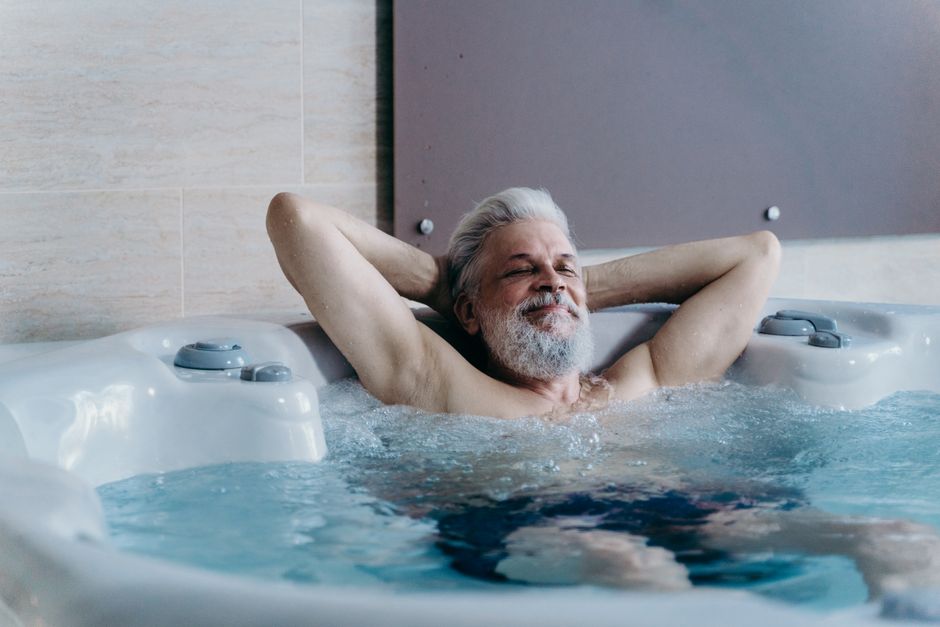
Bathing an elderly person safely takes planning, patience, and the right approach. The goal is to keep them clean, comfortable, and safe while preserving their dignity. This guide walks you through the entire process, from preparation to after-bath care, with clear steps you can follow confidently.
What Do You Need Before Starting the Bath?
Preparation is the most important part of bathing an elderly person. Having everything within reach prevents you from leaving them alone even for a second.
Gather these items before the bath starts:
- Mild, fragrance-free soap and shampoo
- Two or three soft washcloths
- A bath towel and a separate towel for drying hair
- A non-slip bath mat or adhesive strips
- A handheld shower head if available
- A shower chair or bath bench
- A grab bar mounted securely near the tub or shower
- Clean clothes and adult undergarments
- Lotion or moisturizer for dry skin
- Non-slip slippers or socks for after the bath
Check the room temperature. Warm the bathroom to at least 75°F (24°C) before undressing the person. A cold room increases the risk of shivering, which can raise blood pressure and cause discomfort. Run the water and test it before the person gets in. Water should feel warm but not hot — around 98°F to 100°F (37°C to 38°C) is a safe range. Hot water can burn fragile skin quickly.
How To Bathe An Elderly Person Step By Step
Follow these steps in order to keep the bath safe and calm for everyone involved.
Step 1: Explain what you are doing. Tell the person you are going to help them bathe before you start. This is not just polite — it reduces anxiety and helps them cooperate. Many elderly people feel vulnerable during bathing. Speak calmly and move slowly.
Step 2: Help them undress. Undress the person while they are sitting if possible. Remove clothing one piece at a time. Use a towel or robe to cover their upper body while you remove lower garments. This preserves dignity and keeps them warm.
Step 3: Move them into the bathing area. If they can stand with minimal help, have them hold the grab bar while you steady their other arm. If they are unsteady, use a transfer bench. A transfer bench allows the person to sit on the bench outside the tub and then slide over into the bathing position without stepping over the tub wall.
Step 4: Wash from top to bottom. Start with the face and neck using a clean washcloth and plain water. Then apply soap to a fresh washcloth and wash the shoulders, arms, chest, and stomach. Use long, gentle strokes. Pay attention to skin folds — under the breasts, in the armpits, and in the groin area — where moisture can cause irritation or infection.
Step 5: Wash the back and legs. Ask the person to lean forward slightly so you can reach their back. Wash the legs from thigh to foot. For the feet, lift one at a time and wash between the toes. Dry each foot completely afterward — moisture between toes can lead to fungal infections.
Step 6: Clean the private areas last. Use a separate washcloth for the genital and rectal areas. Wash front to back for women to reduce the risk of urinary tract infections. Use fresh water and mild soap. Rinse thoroughly because soap residue can irritate sensitive skin.
Step 7: Rinse thoroughly. Use the handheld shower head or a large cup of clean water to rinse off all soap. Leftover soap causes itching and dryness. Make sure the water is still warm before rinsing.
Step 8: Dry the person completely. Pat the skin dry with a towel — do not rub. Rubbing removes natural oils and damages fragile skin. Pay special attention to skin folds and between the toes. Apply moisturizer to dry areas while the skin is still slightly damp to lock in hydration.
Step 9: Help them out safely. Place a towel over their shoulders to keep them warm. Have them stand slowly using the grab bar, or slide them back onto the transfer bench. Never rush this step. Dizziness is common after a warm bath, especially in older adults.
Step 10: Dress and settle them. Help them into clean, loose clothing. Make sure their feet are dry before putting on socks or slippers. Have them sit in a comfortable chair while you clean up the bathing area.
When Should You Use a Bed Bath Instead?
Full baths are not always possible or safe. A bed bath — also called a sponge bath — is a complete alternative that cleans the entire body without water immersion.
Use a bed bath when the person:
- Cannot stand or transfer safely
- Is recovering from surgery or a fall
- Has severe fatigue or weakness
- Has a condition that makes tub bathing risky, such as recent heart problems
For a bed bath, you need a basin of warm water, several washcloths, mild soap, towels, and a waterproof pad to protect the bed. Wash one body part at a time, keeping the rest of the body covered with a sheet or towel. Change the water when it becomes soapy or cool. The same top-to-bottom order applies, and the private areas are washed last with a separate cloth.
Bed baths are not inferior to tub baths. They are an equally valid method of maintaining hygiene when a full bath is not practical. Some clinicians recommend bed baths for people with limited mobility because they avoid the risks of transferring in and out of a wet tub.




What Safety Measures Prevent Falls in the Bathroom?
Falls in the bathroom are a leading cause of injury among older adults. The combination of water, hard surfaces, and slippery skin makes bathing one of the highest-risk daily activities for elderly people.
Key safety measures include:
- Non-slip surfaces: Place a rubber mat inside the tub or shower and another one on the floor right outside. These mats prevent slips on wet surfaces.
- Grab bars: Install grab bars on the wall near the tub and toilet. These bars must be anchored into wall studs, not just glued to tile. A bar that pulls away from the wall is more dangerous than no bar at all.
- Shower chair: Sitting during a shower reduces fall risk dramatically. A shower chair with rubber tips on the legs provides a stable seated position.
- Handheld shower head: This allows you to control the water direction without asking the person to move or turn.
- Never leave them alone: An elderly person should never be left alone in a tub or shower, even for a minute. Dizziness can come on suddenly, and a fall can happen in seconds.
Check the person’s blood pressure medication timing. Some blood pressure medications can cause dizziness when standing up quickly after a warm bath. If the person feels lightheaded, have them sit on the edge of the tub or on a chair until the feeling passes before attempting to stand.
How Often Should an Elderly Person Bathe?
Daily full baths are not necessary for most elderly people. Washing too frequently strips the skin of natural oils, which leads to dryness, itching, and cracking. Cracks in the skin are entry points for bacteria.
For most older adults, two to three full baths or showers per week are sufficient. On other days, spot cleaning is enough. Wash the face, underarms, groin area, and feet daily with a warm washcloth. These areas produce the most sweat and bacteria and are the ones that cause body odor.
Some conditions change this guidance. People with incontinence may need more frequent cleaning of the pelvic area to prevent skin breakdown. People with heavy sweating or those who are bedbound may need more frequent full cleaning. Talk to a doctor or nurse about the right bathing frequency for the specific person you care for.
Daily moisturizing is recommended regardless of bathing frequency. Apply a fragrance-free moisturizer after every bath and at least once on non-bath days. This keeps the skin barrier intact and reduces the risk of skin tears, which are common in older adults with thin skin.
What Skin Changes Should You Watch For During Bathing?
Bathing provides a natural opportunity to check the skin for problems. Older skin is thinner, less elastic, and more prone to injury than younger skin. It also heals more slowly.
Look for these signs during each bath:
- Redness or rashes — especially in skin folds, which may indicate a fungal or bacterial infection
- Bruises or tears — older skin tears easily, sometimes from minor friction
- Unusual moles or growths — note any changes in size, color, or shape
- Dry patches or flaking — may indicate eczema or simply require more moisturizing
- Swelling in the legs or feet — can indicate fluid retention or circulation problems
- Open sores or pressure ulcers — especially on the heels, tailbone, or hips for bedbound individuals
If you notice any of these issues, mention them to the person’s doctor. Early detection of skin problems prevents them from becoming serious. Do not try to treat rashes or sores on your own without medical guidance — some creams make certain conditions worse.
How Do You Handle Resistance or Refusal to Bathe?
Bathing refusal is common among elderly people, particularly those with dementia or depression. The person may say they bathed yesterday when they did not. They may become agitated or aggressive when you suggest bathing.
This is not stubbornness. For people with dementia, bathing can feel confusing and frightening. The sensation of water, the change in temperature, and the vulnerability of being undressed can trigger a stress response. They may genuinely believe they have already bathed.
Strategies that help:
- Choose the best time of day. Bathe when the person is most alert and calm. For many people this is mid-morning, not early morning or evening.
- Keep it consistent. Use the same routine, same time, and same products each time. Familiarity reduces anxiety.
- Offer choices. Ask whether they prefer a bath or a shower, morning or afternoon. Giving control over small decisions reduces resistance.
- Use distraction. Play music the person enjoys during the bath. Some caregivers find that singing or talking about a favorite topic helps the person relax.
- Skip a day when needed. If the person is highly distressed, stop and try again later. A missed bath is not a health crisis. Forcing a bath can create a lasting negative association that makes future bathing harder.
If bathing resistance is frequent and severe, talk to the person’s doctor. There are approaches — including certain medications in appropriate situations — that can reduce anxiety around bathing. A home health aide or occupational therapist can also demonstrate techniques specific to the person’s needs.
What Products Are Best for Elderly Skin?
Elderly skin is thinner, drier, and more sensitive than younger skin. Many standard soaps and body washes are too harsh and strip away protective oils.
Choose products that are:
- Mild and fragrance-free: Fragrances are a common cause of skin irritation in older adults
- pH-balanced: Soaps with a neutral or slightly acidic pH are gentler on skin
- Moisturizing: Products with added emollients help maintain the skin barrier
- Rinsable: Some “no-rinse” cleansers are available for bed baths and are useful when water access is limited
For people with very dry skin, some dermatologists recommend avoiding soap entirely on the body and using only warm water plus a moisturizing cleanser. For people with specific skin conditions like eczema or psoriasis, follow the treatment plan recommended by their dermatologist.
Do not use antibacterial soaps routinely. Plain soap and water are sufficient for everyday hygiene. Routine antibacterial soap use has not been shown to prevent infections in healthy home settings and may contribute to bacterial resistance.
Frequently Asked Questions
How often should an elderly person bathe?
Two to three full baths or showers per week are sufficient for most older adults. Daily spot cleaning of the face, underarms, groin, and feet is recommended on non-bath days.
What temperature should bath water be for an elderly person?
Warm water around 98°F to 100°F (37°C to 38°C) is safe and comfortable. Hot water can burn fragile elderly skin quickly.
Is a shower chair necessary for bathing an elderly person?
A shower chair is strongly recommended for anyone unsteady on their feet. Sitting during a shower significantly reduces the risk of falls in the bathroom.
What is the best way to bathe someone with dementia?
Use the same routine and time each day, keep the room warm, move slowly, and explain each step calmly. If the person becomes distressed, stop and try again later rather than forcing the bath.
