
Your hormones run on a schedule, and that schedule is built from what you do every day. Sleep, meals, movement, stress, and light all feed into the same regulatory systems that control cortisol, insulin, thyroid hormone, and the sex hormones. There is no single habit that “balances” hormones in a general sense. But daily routines reliably shape how these systems work, and some of the biggest levers are things you already do — or don’t do — before noon.
Hormones are chemical messengers released into the bloodstream that tell specific tissues what to do. Their levels rise and fall in patterns, and those patterns respond to behavior. That is why a steady wake time, regular meals, and daily movement show up again and again in the research. This article covers what the evidence supports, what it does not, and where the honest limits are.
How Does Sleep Affect Hormone Balance?
Sleep is the strongest daily lever most people have over their hormones. During deep sleep, the body releases growth hormone in pulses that support tissue repair. Cortisol, the main stress hormone, normally drops in the evening and rises in the early morning to help you wake up. Cutting sleep short disrupts both patterns.
Research consistently shows that short sleep changes appetite hormones. Ghrelin, which increases hunger, tends to rise, while leptin, which signals fullness, tends to fall. That combination can make people eat more the next day. Sleep loss also reduces insulin sensitivity, meaning the body needs more insulin to move the same amount of glucose out of the blood. These are measurable effects, not speculation.
The practical takeaway is boring but real. Go to bed and wake up at roughly the same times each day, including weekends. Adults generally need seven or more hours, according to widely accepted sleep guidance. Keep the bedroom dark and cool. Avoid bright light late at night, because light exposure in the evening can delay melatonin release and push your internal clock later.
One point people miss: a consistent wake time anchors your body clock more strongly than a consistent bedtime. If you can only control one, control when you get up.
What Role Does Diet Play in Hormone Balance?
Food affects hormones mainly through insulin, the hormone that moves glucose from blood into cells. Eating large amounts of refined carbohydrate and sugar without fiber or protein can cause sharp insulin spikes. Over time, repeated spikes contribute to insulin resistance, which sits at the center of several hormonal problems, including polycystic ovary syndrome (PCOS) and type 2 diabetes.
No single food “balances” hormones. The evidence supports the overall pattern of eating more than any individual ingredient:
- Build meals around protein, fiber-rich vegetables, and whole grains. This slows glucose absorption and blunts insulin spikes.
- Eat at regular times. Skipping meals and then eating heavily later can worsen blood sugar swings.
- Limit highly processed foods and sugary drinks, which deliver fast glucose with little fiber or protein to slow it down.
- Include healthy fats from sources like olive oil, nuts, and fish. Fat is needed for the body to make steroid hormones such as estrogen and testosterone.
Extreme calorie restriction and crash diets work against you. Severe restriction can lower thyroid hormone output and disrupt the menstrual cycle, because the body reads it as a threat and dials back functions it considers nonessential. Slow, sustainable changes in body weight, when weight is a factor, tend to improve hormonal markers more reliably than rapid loss.
How Does Exercise Influence Hormones?
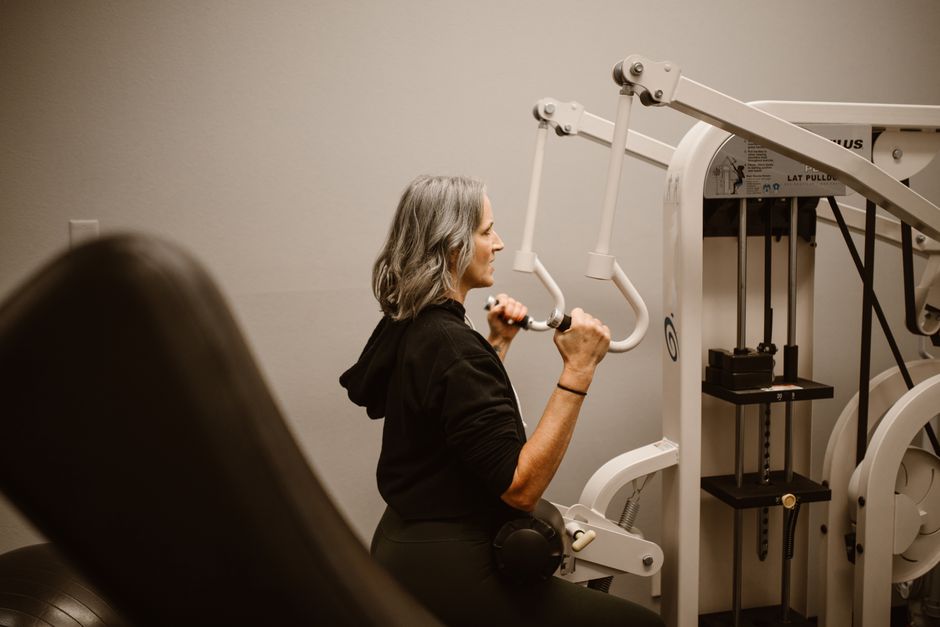
Exercise changes hormone levels both during and after activity. Resistance training and higher-intensity exercise trigger short-term rises in growth hormone and testosterone, though these spikes are brief and their long-term significance is debated. The more established benefits come from regular activity over weeks and months.
Regular exercise improves insulin sensitivity, which means cells respond better to insulin and the body needs less of it. That effect is well documented and matters for anyone concerned about blood sugar or PCOS. Exercise also reduces circulating stress hormones over time and improves sleep quality, which feeds back into the hormonal picture.
A mix works best. Some resistance training to maintain muscle, some moderate aerobic activity, and some higher-intensity work if your health allows it. Muscle tissue uses glucose, so more muscle supports better blood sugar control. If you have a medical condition or are new to exercise, check with a clinician before starting intense routines.
Be careful with overtraining. Very high training volumes without adequate recovery can raise resting cortisol and, in some people, disrupt menstrual cycles. More is not always better.
Can Stress Management Really Change Hormone Levels?
Yes, but the effect is about how your body handles stress, not about eliminating stress. Cortisol is not a villain. It is essential for waking up, responding to threats, and regulating blood sugar and blood pressure. The problem is chronic elevation.
When stress is constant, cortisol stays high, which can disrupt sleep, raise blood sugar, and interfere with the signals that regulate the reproductive system. Some evidence links chronic stress to worsened menstrual symptoms and lower libido, though the research is not uniform.
What actually helps is the unglamorous stuff. Slow, deliberate breathing — extending the exhale longer than the inhale — activates the parasympathetic branch of the nervous system that calms the stress response. Regular physical activity helps. So does time in nature and social connection. These are not cures, and no breathing exercise will fix a hormone disorder. But they lower the baseline load on your stress system, and that has measurable effects.
Do Everyday Exposures and Substances Disrupt Hormones?
Some chemicals in everyday products can interfere with hormone signaling. These are called endocrine-disrupting chemicals, and they include certain compounds found in some plastics, pesticides, and personal care products. The evidence that high exposure can affect human health is real. The evidence that typical low-level exposure from consumer products causes meaningful hormonal harm in most people is much less clear, and researchers are still working through it.
Reasonable steps, without panic: store food in glass or stainless steel rather than heating food in some plastics, wash produce, and choose unscented products if you are sensitive. No study has shown that detoxes, cleanses, or “hormone reset” supplements remove these chemicals or balance hormones. That is marketing.
Alcohol and smoking deserve a direct mention. Heavy alcohol use disrupts the hormones that regulate reproduction and stress, and smoking affects thyroid function and sex hormones. Reducing both is one of the better-supported changes you can make.
How To Balance Your Hormones Through Daily Habits: What Actually Works
The habits with the strongest evidence are not exotic. They are the basics done consistently. A comparison helps show where the evidence is solid and where it thins out:
| Habit | Evidence strength | What it affects |
|---|---|---|
| Consistent sleep schedule, 7+ hours | Strong | Appetite hormones, insulin sensitivity, cortisol rhythm |
| Regular meals with protein and fiber | Strong | Insulin response, blood sugar stability |
| Regular exercise, including resistance training | Strong | Insulin sensitivity, stress hormones, sleep |
| Stress-reduction practices | Moderate | Cortisol load, sleep quality |
| Reducing alcohol and smoking | Strong | Reproductive and thyroid hormones |
| Limiting endocrine-disrupting chemical exposure | Emerging | Unclear at typical exposure levels |
| Hormone-balancing supplements | Weak or absent | No reliable evidence for most products |
Notice what is not on the list as strong: supplements marketed for hormone balance. Most have little or no clinical trial support in healthy people, and some can interact with medications or cause harm. If you are considering one, talk to a clinician first.
Also worth saying plainly: daily habits support normal hormone function, but they do not treat diagnosed hormone disorders. Conditions like hypothyroidism, PCOS, and type 1 diabetes need medical care. Habits work alongside treatment, not instead of it. If you have persistent symptoms — unexplained weight change, fatigue, irregular periods, or changes in libido — see a clinician. Blood tests can check for specific problems that no lifestyle change will fix on its own.
Frequently Asked Questions
How long does it take to balance hormones with daily habits?
Some effects, like improved insulin sensitivity after exercise, can appear within days to weeks. Others, like changes in menstrual regularity, may take several months. There is no single timeline, and it varies by person and by which hormone is affected.
What is the fastest way to balance hormones naturally?
Fixing your sleep schedule is the highest-yield single change for most people, because short sleep measurably disrupts appetite hormones and insulin sensitivity. No habit works fast enough to replace medical treatment for a diagnosed hormone disorder.
Do hormone-balancing supplements actually work?
Most have little or no clinical trial evidence in healthy people, and some can interact with medications. No study has confirmed that common “hormone balance” supplements correct hormonal imbalances in the general population.
Can stress really cause hormone imbalance?
Chronic stress keeps cortisol elevated, which can disrupt sleep, raise blood sugar, and interfere with reproductive hormone signaling. The research is not uniform, but the link between chronic stress and hormonal disruption is well supported.
