
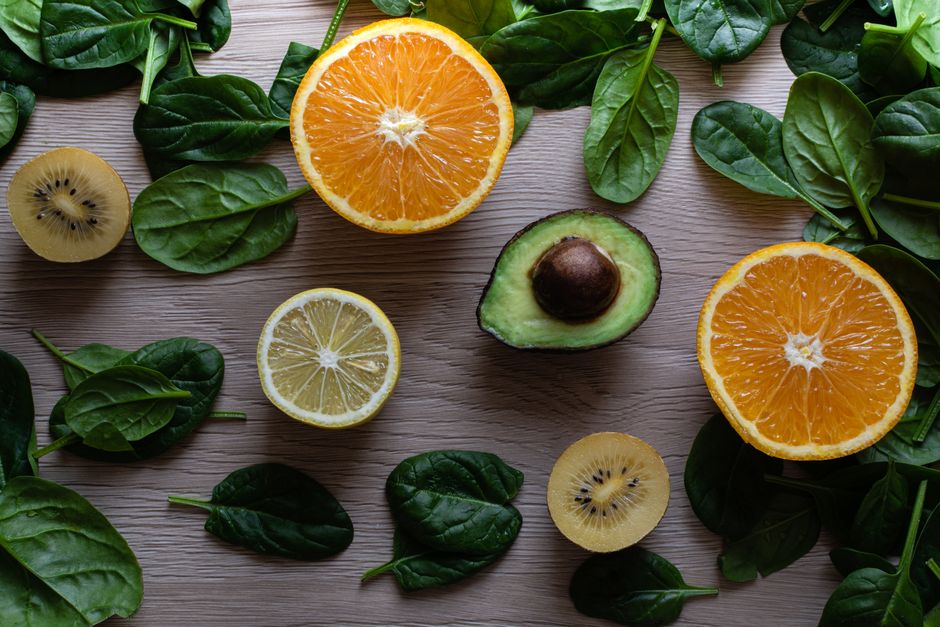
Your body keeps electrolyte levels in a tight range because nerves, muscles, and fluid balance depend on it. The main way to balance them is through everyday food and water: eat a varied diet with vegetables, fruit, beans, dairy or fortified alternatives, and moderate salt, and drink to thirst unless a clinician tells you otherwise. Most healthy adults do not need sports drinks or supplement powders. Plain water plus regular meals covers it.
What Are Electrolytes and What Do They Do?
Electrolytes are minerals that carry an electric charge when dissolved in body fluids. The main ones are sodium, potassium, chloride, calcium, magnesium, phosphate, and bicarbonate.
They matter because charged particles moving across cell membranes create the electrical signals your nerves use to communicate and your muscles use to contract. Sodium and potassium sit on opposite sides of that membrane, and the difference between them is what makes a heartbeat possible.
Your body also uses electrolytes to hold water in the right places. Sodium mainly stays outside your cells and pulls water with it. Potassium mainly stays inside your cells. When that split gets disturbed — through heavy sweating, vomiting, diarrhea, or some medications — the effects show up as muscle cramps, weakness, confusion, or an irregular heartbeat.
Here is a detail worth knowing: the body does not balance electrolytes by adding more of everything. It balances them against each other and against water volume. Drinking a lot of water without replacing sodium can actually dilute the sodium already in your blood. That is why the fix for most people is food plus normal water intake, not a product.
How To Balance Your Electrolytes Food Water Tips
Food is the reliable source. Your kidneys adjust how much sodium and potassium you excrete hour by hour, but they can only work with what comes in. A mixed diet supplies all the electrolytes you need, and it does so gradually rather than in one large dose.
For sodium, the amount already in most diets is more than enough. Federal dietary guidance has long advised keeping sodium under 2,300 mg per day for adults, and that is a ceiling, not a target. If you sweat heavily or work in heat, you need more, not less.
For potassium, the picture is different. Most Americans fall short of the recommended intake, which is generally cited as 3,400 mg per day for adult men and 2,600 mg per day for adult women. Potatoes, beans, bananas, spinach, tomatoes, yogurt, and orange juice are all strong sources.
For magnesium and calcium, a varied diet with leafy greens, nuts, seeds, dairy, and fortified plant milks usually covers the requirement. Routine magnesium supplementation is common in marketing but not supported as a general need for healthy adults.
Water works alongside food, not instead of it. Drink to thirst through the day. Thirst is a well-tuned signal in healthy adults, and forcing extra water beyond it does not improve electrolyte balance.
Which Foods Actually Supply Each Electrolyte?
Most whole foods carry several electrolytes at once, which is one reason food beats isolated supplements.
- Sodium: table salt, soy sauce, pickles, olives, canned soups, cheese, bread
- Potassium: potatoes with skin, white beans, lentils, bananas, spinach, avocado, yogurt, orange juice
- Calcium: milk, yogurt, cheese, fortified plant milks, tofu made with calcium sulfate, canned sardines with bones
- Magnesium: pumpkin seeds, almonds, cashews, black beans, spinach, whole grains
- Chloride: table salt, seaweed, olives, tomatoes, celery
- Phosphate: dairy, meat, poultry, fish, beans, nuts
Notice that salt appears twice. Sodium and chloride travel together as sodium chloride, which is why ordinary table salt covers both.





Do You Need Sports Drinks or Electrolyte Powders?
For most people, no. Sports drinks were designed for athletes doing prolonged, sweat-heavy exercise, and that is still roughly the population they help.
The evidence supports electrolyte replacement during sustained exercise lasting longer than about an hour, or during work in high heat with heavy sweating. Outside those situations, the extra sugar and sodium in these products mostly add calories.
Electrolyte powders and tablets sold for everyday hydration have less support. Some contain meaningful amounts of sodium and potassium. Others contain trace amounts that are unlikely to change your blood levels. The label tells you which — look at the milligrams per serving, not the front of the package.
There is one group that should be cautious about high-dose potassium supplements in particular: people with kidney disease, and people taking certain blood pressure medications. Potassium supplements can push blood potassium too high in these groups. That is a conversation for a clinician, not a label.
What Throws Electrolytes Out of Balance?
Illness is the most common cause. Vomiting and diarrhea lose fluid along with sodium, potassium, and chloride, sometimes quickly. A stomach bug that lasts a day or two can shift levels noticeably.
Heavy sweating is another. People who work outdoors in summer, athletes, and anyone in a hot climate lose sodium and chloride in sweat. Sweat is mostly water but contains real amounts of sodium, and the concentration varies a lot between individuals.
Medications matter more than most people realize. Diuretics — often called water pills — increase urine output and can lower potassium and sodium. Some blood pressure drugs raise potassium. Laxative overuse can deplete potassium and magnesium.
Kidney disease is a major factor because the kidneys are the organ that fine-tunes electrolyte levels. When kidney function drops, the body loses some ability to correct imbalances on its own.
Finally, drinking extreme amounts of plain water in a short time can dilute blood sodium. This is uncommon but real, and it has occurred in endurance events and in people following very aggressive water-drinking advice.
When Should You Talk to a Doctor?
Mild shifts often correct themselves once you eat and drink normally again. Seek medical care if symptoms are severe or persistent.
Warning signs include ongoing vomiting or diarrhea that prevents you from keeping fluids down, confusion or trouble concentrating, a racing or irregular heartbeat, muscle cramps that do not ease, or unusual weakness. These can signal a significant imbalance that needs testing.
Blood tests measure sodium, potassium, chloride, bicarbonate, calcium, and magnesium directly. That is the only way to know your actual levels. Symptoms alone are not a reliable guide.
If you take a diuretic or have kidney disease, ask your clinician how often your electrolytes should be checked. That schedule is individual and depends on your medications and kidney function.
Simple Habits That Keep Electrolytes in Range
Eat regularly. Skipping meals for long stretches removes your main source of sodium and potassium.
Include a potassium-rich food at most meals. A potato, a bowl of beans, or a serving of spinach does more for your potassium than any powder.
Drink to thirst. Keep water available and drink when you feel thirsty, and drink more when it is hot or you are active.
Salt your food normally unless a clinician has told you to restrict sodium. For most healthy adults, ordinary cooking and eating supplies enough.
Replace losses when you are sick. If you cannot keep food down, oral rehydration solutions are formulated to replace water and electrolytes together. They are sold in pharmacies and are the standard approach for mild dehydration from illness.
Do not stack supplements. Taking a potassium pill, a magnesium pill, and a sports drink on the same day adds up, and more is not better here.
Frequently Asked Questions
What is the fastest way to balance electrolytes?
For mild imbalances, eating a normal meal with salt and potassium-rich foods and drinking to thirst is the fastest everyday fix. For dehydration from illness, an oral rehydration solution replaces water and electrolytes together and is the standard approach.
Can I balance electrolytes by drinking water alone?
No. Water replaces fluid but not the sodium, potassium, and chloride you lose through sweat or illness. Water works alongside food, not instead of it.
Do I need electrolyte drinks if I exercise?
Only if your exercise is prolonged and sweat-heavy, generally lasting longer than about an hour. For shorter or lighter workouts, water and your next meal cover it.
Which foods are highest in potassium?
Potatoes with skin, white beans, lentils, spinach, avocado, yogurt, and orange juice are among the strongest sources. Most adults fall short of the recommended potassium intake, so adding one of these daily helps.
