
Most people get far more sodium than they need and far less potassium than they need. The fix is not complicated: eat more vegetables, beans, fruit, and unprocessed foods, and eat fewer packaged and restaurant foods. That single shift lowers sodium and raises potassium at the same time. If you have kidney disease or take certain blood pressure medicines, talk to your doctor before making big changes to either mineral.
Why Does The Sodium To Potassium Ratio Matter?
Sodium and potassium work as a pair. Sodium pulls water into your bloodstream and raises pressure inside your vessels. Potassium helps your body release sodium in urine and relaxes blood vessel walls. When sodium is high and potassium is low, blood pressure tends to rise. When the balance moves the other way, blood pressure tends to fall.
This is well-established physiology, not a fringe idea. Research has repeatedly linked higher potassium intake with lower blood pressure, especially in people who already have high blood pressure. The effect is modest but real. The larger benefit comes from the pattern: diets built around high-potassium whole foods are usually also lower in sodium.
Here is a point people often miss. It is not just the total amount of sodium that matters. It is the ratio between sodium and potassium. Two people can eat the same amount of sodium and have different blood pressure responses depending on how much potassium they eat. That is why public health guidance increasingly talks about the two minerals together rather than sodium alone.
How Much Sodium And Potassium Do You Actually Need?
Federal dietary guidelines recommend keeping sodium under 2,300 mg per day. That is about one teaspoon of salt. The average American eats closer to 3,400 mg per day, mostly from packaged foods and restaurant meals, not from the salt shaker.
For potassium, the recommendation is 3,400 mg per day for adult men and 2,600 mg per day for adult women. Most people fall short of these targets by a wide margin.
One clarification that surprises people: the 2,300 mg sodium figure is an upper limit, not a target your body needs. Your body needs only a small amount of sodium to function, and it is nearly impossible to fall below that on a normal diet. The potassium numbers, by contrast, are amounts to aim for.
Here is a rough comparison of what these targets look like in real food:
- One cup of cooked white beans: about 1,000 mg potassium
- One medium baked potato with skin: about 900 mg potassium
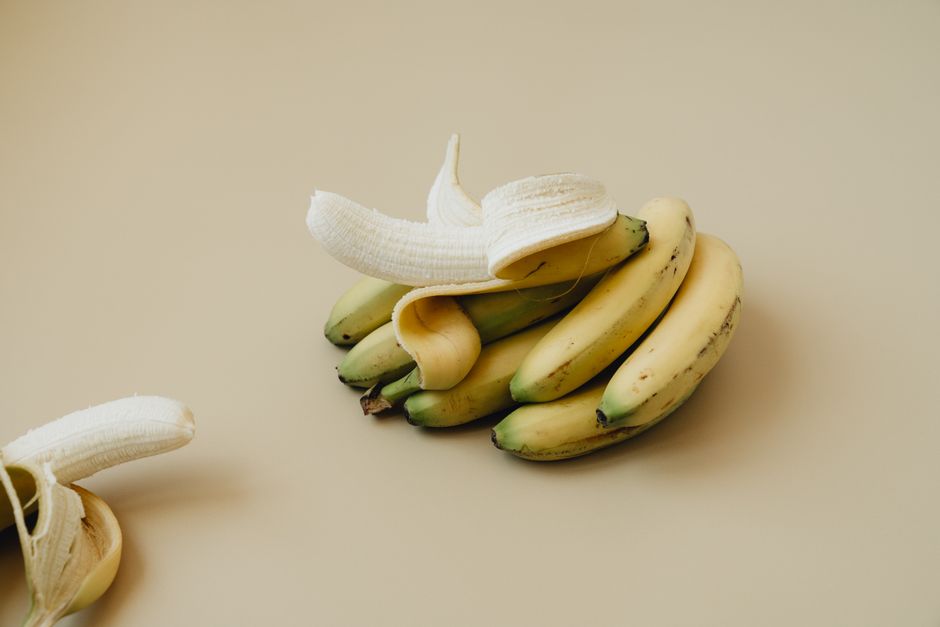
- One medium banana: about 400 mg potassium
- One cup of cooked spinach: about 840 mg potassium
- One cup of canned chicken noodle soup: often 800 mg sodium or more
- One deli turkey sandwich: often 1,000 mg sodium or more
The pattern is clear. Whole plant foods deliver potassium with little sodium. Processed foods do the opposite.
How To Balance Sodium And Potassium In Your Diet?
The practical approach is to change what fills your plate, not to obsess over numbers. Aim for most meals to be built around foods that are naturally high in potassium and low in sodium. Then let processed foods become the smaller part of your day.
Start with these shifts:
- Cook more at home. Restaurant and takeout meals are a major sodium source. Home cooking gives you control.
- Read labels on packaged foods. Look at sodium per serving. Bread, cheese, sauces, and canned goods are common hidden sources.
- Add a potassium-rich food to every meal. Beans, potatoes, spinach, tomatoes, yogurt, and fruit are all good choices.
- Rinse canned beans and vegetables. This removes some of the added sodium.
- Use herbs, spices, and acid instead of salt. Lemon juice, vinegar, garlic, and pepper add flavor without sodium.
None of this requires a special diet or supplement. It requires a shift in what you buy and cook. Small consistent changes matter more than perfect days.
Which Foods Are Highest In Potassium?
Potassium is found in almost all whole foods, which is part of why most people can meet their needs through diet alone. The richest sources are plant foods.
Top sources include:
- Beans and lentils
- Potatoes and sweet potatoes
- Spinach and other leafy greens
- Tomatoes and tomato products
- Bananas, oranges, and dried fruit
- Avocados
- Yogurt and milk
- Salmon and other fish
Some people are surprised that a baked potato with skin has more potassium than a banana. It does, by a wide margin. Bananas get the reputation, but potatoes, beans, and leafy greens are stronger sources.
For most healthy people, food sources are the right way to get potassium. Potassium supplements are a different story and carry real risks, which the next section covers.
Are Potassium Supplements Safe?
Potassium supplements can be dangerous, and they are not a casual fix. High doses of potassium, especially from supplements, can cause serious heart rhythm problems. This is a real risk, not a theoretical one.
In the United States, over-the-counter potassium supplements are limited by regulation to 99 mg per pill. That is a small fraction of the daily recommendation, and it reflects the safety concern. Taking several pills to reach a higher dose is not a safe workaround.
People with kidney disease are at particular risk. Healthy kidneys filter out excess potassium, but damaged kidneys may not. Potassium can build up to dangerous levels. If you have reduced kidney function, your doctor may actually advise you to limit high-potassium foods, which is the opposite of standard advice.
Certain medications also raise potassium levels, including some blood pressure drugs such as ACE inhibitors and potassium-sparing diuretics. If you take any of these, do not add potassium supplements without talking to your doctor first.
For most people, food is the safe and effective route. Supplements are a medical decision, not a dietary one.
Does Cutting Sodium Alone Work?
Cutting sodium helps blood pressure, but the effect is often smaller than people expect, and it varies a lot from person to person. Some people are salt-sensitive and respond strongly. Others respond very little.
This is where the balance idea matters. Raising potassium while lowering sodium tends to produce a larger effect than cutting sodium alone. The two changes work together.
There is also a practical reality. Sodium is hard to avoid in a typical food environment. Much of it is already in food before it reaches your kitchen. Focusing only on the salt shaker misses most of the problem. Shifting toward more whole foods addresses both minerals at once and is easier to sustain than counting milligrams.
Who Needs To Be Careful With Potassium?
Not everyone should increase potassium. People with chronic kidney disease may need to limit it, and the amount depends on how well their kidneys are working. This is a conversation to have with a doctor or dietitian, not something to guess at.
Other groups who should check with a clinician before raising potassium intake include people taking medications that retain potassium, and people with certain heart or adrenal conditions. For these groups, high-potassium foods and salt substitutes can be risky.
Salt substitutes are worth a specific mention. Many are made from potassium chloride, which means they deliver potassium instead of sodium. For healthy people that can be helpful. For people with kidney disease or on potassium-raising drugs, they can be dangerous. Read the label and ask your doctor if you are unsure.
For the large majority of healthy adults, though, getting more potassium from food is safe and aligns with what the evidence supports.
What Does A Balanced Day Look Like?
A balanced day does not require precise tracking. It looks like meals built around whole foods with processed items playing a smaller role.
One example: oatmeal with banana and milk for breakfast. A bean and vegetable bowl for lunch. Baked potato, salmon, and spinach for dinner. Fruit or yogurt for a snack. That pattern delivers substantial potassium and keeps sodium low without any counting.
The goal is a direction, not perfection. Most people will not hit the potassium target every day, and that is fine. Moving consistently toward more whole foods and fewer packaged ones improves the ratio in the right direction. That is the balance that matters.
Frequently Asked Questions
What foods are highest in potassium?
Beans, potatoes with skin, spinach, tomatoes, avocados, bananas, yogurt, and fish are among the richest sources. A baked potato with skin actually has more potassium than a banana.
Can I take a potassium supplement instead of eating more potassium-rich foods?
It is not recommended without medical guidance, because high-dose potassium supplements can cause dangerous heart rhythm problems. Over-the-counter potassium pills are limited to 99 mg each for this reason, so food is the safer route for most people.
Is it safe to use salt substitutes?
For healthy people, potassium-based salt substitutes can help lower sodium intake. People with kidney disease or those taking potassium-retaining medications should avoid them unless a doctor says otherwise.
How much potassium do I need per day?
Federal guidelines recommend about 3,400 mg per day for adult men and 2,600 mg per day for adult women. Most people fall well short of these amounts.
