
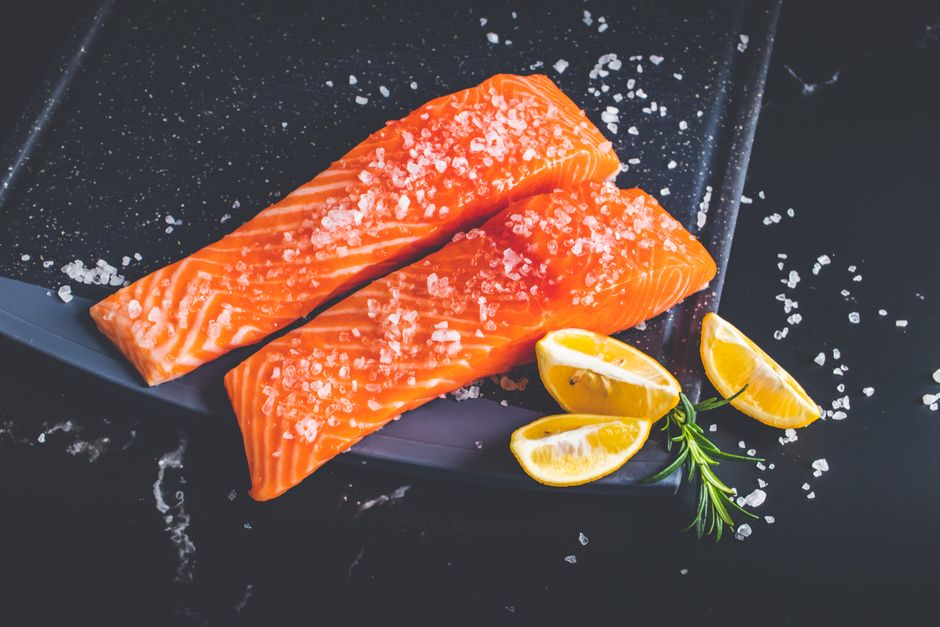
Baking salmon fillet is one of the most reliable cooking methods you can use. It requires minimal hands-on time, produces tender fish with crispy edges, and works with nearly any seasoning. To bake a salmon fillet, preheat your oven to 400°F (200°C), place the fillet on a lined baking sheet, season it, and bake for 12 to 15 minutes depending on thickness. The fish is done when it flakes easily with a fork and reaches an internal temperature of 145°F (63°C) at its thickest point.
What Temperature Should You Bake Salmon At?
Most recipes call for a moderate oven heat, and 400°F (200°C) is the most common recommendation. This temperature cooks the fish evenly without drying out the exterior before the center is done.
Some cooks prefer 425°F (218°C) for a slightly faster cook and more browning on top. Others use 375°F (190°C) for a gentler, slower approach that suits thicker fillets. All three work. The key is not the exact number but matching the time to the thickness of your fillet.
Thin fillets, around 1 inch thick, bake in roughly 10 to 12 minutes at 400°F. Thicker pieces, closer to 1.5 inches, may need 15 to 18 minutes. Always check for doneness rather than relying strictly on the clock.
How Long Does Salmon Take To Bake?
Baking time depends on the thickness of the fillet and the starting temperature of the fish. A standard 6-ounce fillet that is about 1 inch thick takes 12 to 15 minutes in a 400°F oven.
If you bake the salmon straight from the refrigerator, add a minute or two to the total time. If you let it sit at room temperature for 15 minutes before baking, the cooking will be slightly more even. The USDA recommends cooking seafood to an internal temperature of 145°F (63°C).
For a more tender, medium-rare center, some chefs pull the fish at 125°F to 130°F (52°C to 54°C). This is a personal preference, not a food safety guideline. If you choose this route, use fish that is very fresh and purchased from a reputable source.
How To Prepare Salmon Before Baking
Start with a dry fillet. Pat the salmon with paper towels to remove surface moisture. Dry fish browns better and is less likely to stick to the pan.
Check for pin bones. Run your fingers along the flesh side of the fillet. If you feel small, thin bones, pull them out with tweezers or needle-nose pliers. Most grocery store fillets are already deboned, but it is worth checking.
Leave the skin on or remove it. Skin-side down baking is the standard approach. The skin protects the flesh from direct heat and helps keep the fish moist. If you prefer skinless fillets, they will bake slightly faster and may dry out more easily. Reduce the time by 2 to 3 minutes.
How To Season Salmon Fillet
Salmon has a rich, distinct flavor that pairs well with many seasonings. A simple combination of olive oil, salt, and black pepper produces a clean, classic result.
Brush the fillet lightly with olive oil or melted butter. This helps the seasonings adhere and encourages browning. Sprinkle salt and pepper evenly over the flesh. Use about 1/4 teaspoon of salt per fillet, adjusting for your taste and dietary needs.
Common additions include garlic powder, onion powder, paprika, or dried herbs like dill and thyme. Lemon slices placed on top add brightness during baking. A drizzle of honey or maple syrup with soy sauce creates a sweet-savory glaze, but be aware that sugary glazes can burn at high heat. If you use a sweet glaze, consider baking at 375°F and checking the fish early.
Should You Cover Salmon While Baking?
Baking salmon uncovered produces the best texture. Leaving the fillet exposed to the dry oven heat allows moisture to evaporate from the surface, which concentrates flavor and creates a slightly firmer exterior.
Covering the pan with foil traps steam. This keeps the fish very moist but also prevents browning. The result is a paler, softer fillet that some people describe as steamed rather than baked.
If you are baking a very thick fillet and worry the outside will dry before the center cooks, you can bake uncovered for the first 10 minutes, then loosely cover with foil for the remaining time. This balances browning with moisture retention.
How To Tell When Baked Salmon Is Done
The most reliable method is temperature. Insert an instant-read thermometer into the thickest part of the fillet. At 145°F (63°C), the fish is fully cooked according to USDA guidelines.
Visual cues also help. Cooked salmon turns from translucent deep pink or orange to a lighter, opaque color. The flesh should flake easily when pressed with a fork. If the fish resists flaking and still looks glossy and translucent in the center, it needs more time.
White albumin is not a sign of doneness. That white substance that sometimes appears on cooked salmon is a protein called albumin. It surfaces when the fish reaches about 140°F and is harmless. Its presence simply means the fish is cooked, though it can indicate slight overcooking if it is very prominent.
How To Bake Salmon Fillet Without Drying It Out
The main reason baked salmon becomes dry is overcooking. Removing the fish from the oven at the right moment is the single most important step.
Remember that carryover cooking continues after you pull the fish from the oven. The internal temperature can rise another 5 to 10 degrees while the fillet rests. If you target 145°F, remove the salmon from the oven at about 140°F and let it rest for 3 to 5 minutes.
Baking at a moderate temperature rather than a very high one reduces the risk of drying. Starting with a thicker fillet also helps, as thin pieces reach overcooked status quickly.
Resting the fish is essential. Let the salmon sit for 3 to 5 minutes after baking. This allows the juices to redistribute through the flesh, resulting in a moister bite.
Common Baking Mistakes To Avoid
Baking a cold fillet straight from the refrigerator can lead to uneven cooking. The outside may finish before the center warms through. Let the fish sit at room temperature for 10 to 15 minutes before baking.
Overcrowding the pan traps steam and prevents browning. Leave space between fillets so hot air circulates around each piece. If baking multiple fillets, use a larger sheet pan or bake in batches.
Using a dark, non-stick pan can cause the bottom of the fillet to brown too quickly. A light-colored, rimmed baking sheet lined with parchment paper or aluminum foil works best. The foil also makes cleanup easier.
Do not flip the salmon while it bakes. Cooking it skin-side down for the entire time allows the skin to crisp and protects the flesh. Flipping can cause the fillet to break apart and makes the skin soggy.
Should You Bake Salmon On Foil Or Parchment?
Both work well, and the choice mostly comes down to cleanup and preference. Parchment paper is non-stick and does not react with acidic ingredients like lemon juice. Aluminum foil is more durable and easier to shape into a packet.
Baking directly on a greased pan is also fine. The skin of the salmon naturally releases from a hot, oiled surface as it cooks. If the skin sticks, it usually means the pan was not hot enough or the fish was moved too early.
An en papillote method, where the salmon is sealed in a parchment packet with vegetables and aromatics, steams the fish gently. This produces a very moist result but does not create any browning. It is a different dish with a different texture.
Frequently Asked Questions
How long do you bake salmon at 400°F?
Bake a 1-inch thick salmon fillet at 400°F for 12 to 15 minutes. Thicker fillets may need up to 18 minutes, and thin fillets can be done in as little as 10 minutes.
Do you bake salmon covered or uncovered?
Bake salmon uncovered for the best texture and browning. Covering with foil traps steam and prevents the surface from crisping.
How do you know when baked salmon is done?
The salmon is done when it reaches an internal temperature of 145°F at the thickest point. The flesh should also look opaque and flake easily with a fork.
Should you flip salmon when baking?
No, leave the salmon skin-side down for the entire baking time. Flipping can break the fillet apart and prevent the skin from crisping.
