
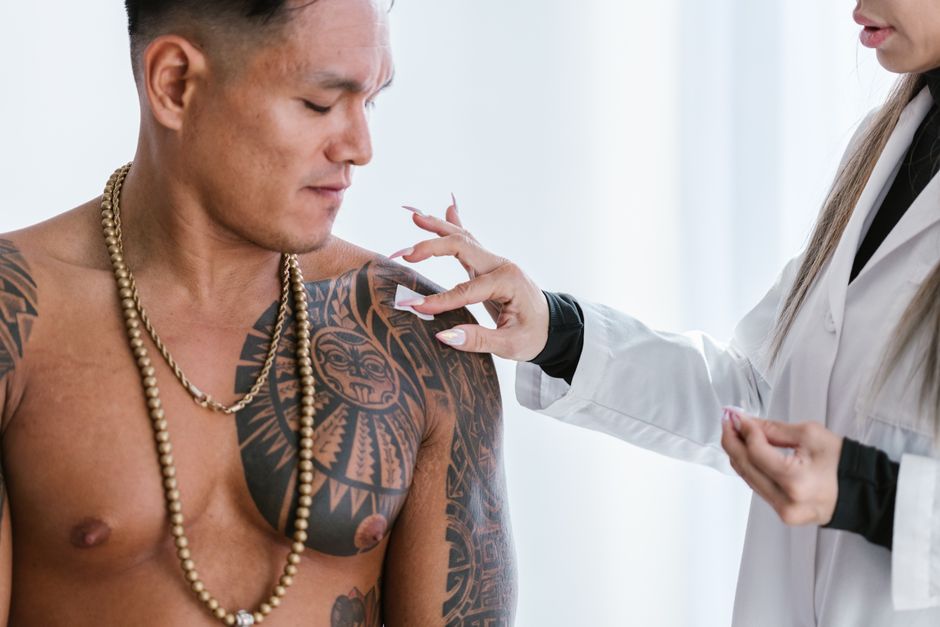
A new tattoo is an open wound, and the first two weeks are when it is most vulnerable to infection. To avoid one, keep the fresh tattoo covered for the first 24 hours as your artist directs, wash your hands before every touch, clean the area gently with fragrance-free soap and water, pat it dry with a clean paper towel, apply a thin layer of the ointment your artist recommends, and never let anyone else touch the healing skin. Skip pools, hot tubs, baths, and oceans until it is fully closed.
Most tattoo infections are preventable with basic wound care. They happen when bacteria get into the skin during or after the procedure. Knowing what normal healing looks like — and what does not — is the fastest way to catch a problem early.
How To Avoid Tattoo Infection During Healing
Infection prevention starts before the needle ever touches your skin. A licensed studio that follows proper sterilization is your first line of defense. Ask about their process. A reputable artist will not mind.
The equipment that matters most is anything that touches blood or broken skin. Needles, tubes, and grips should be single-use and sealed in sterile packaging opened in front of you. Reusable equipment must be sterilized in an autoclave, which uses pressurized steam to kill bacteria and viruses. If a studio cannot explain how they sterilize their tools, that is a reason to walk away.
Your artist should wear fresh gloves and change them between tasks. They should clean your skin before starting and use sterile water or single-use cups for rinsing. These are standard practices, not extras.
Aftercare is where most people slip up. The rules are simple but they matter:
- Wash your hands with soap and water before touching the tattoo — every single time.
- Clean the tattoo gently with lukewarm water and a mild, fragrance-free soap. Do not scrub.
- Pat dry with a clean paper towel. Do not rub, and do not share the towel.
- Apply a thin layer of ointment. A thick layer traps moisture and can encourage bacteria.
- Keep the tattoo out of direct sunlight while it heals.
- Do not pick or scratch scabs, even when they itch.
The itch phase is the hardest part. It usually hits around the time the skin starts to peel. Scratching reopens the wound and introduces bacteria from your fingernails. If the itch is unbearable, a gentle tap or a cool compress over clean clothing can help.
What Does Normal Tattoo Healing Look Like?
Normal healing is uncomfortable but predictable. Understanding the timeline helps you tell a routine reaction from a real problem.
In the first day or two, the tattoo looks bright and feels tender. Some clear fluid or a little blood may seep out. This is expected.
By day three to five, the surface starts to dry and a thin scab or flaky layer forms. The colors may look dull. The skin around the tattoo can be slightly red and swollen. Mild redness at the edges is common and usually fades.
Around the first week, peeling begins. Flakes of colored skin come off — this is dead skin, not lost ink. Underneath, the tattoo looks cloudy or faded. It will clear up as the top layer finishes healing.
Most surface healing is done in two to three weeks. Deeper skin can take longer. The tattoo may look fully settled by around a month, though some people notice changes for a bit longer.
The key distinction: normal healing improves steadily. Infection gets worse.
What Are the Warning Signs of a Tattoo Infection?
An infected tattoo does not quietly improve. It escalates. Watch for these signs:
- Redness that spreads outward instead of fading
- Swelling that increases after the first few days
- Pain that gets worse rather than better
- Warmth in the skin around the tattoo
- Yellow or green pus, or fluid with a bad smell
- Red streaks running away from the tattoo
- Fever, chills, or feeling generally unwell
Any of these warrants a call to a doctor. Red streaks and fever are especially concerning — they can signal that an infection is spreading beyond the skin. Do not wait to see if it clears up on its own.
It can be hard to tell a mild infection from an allergic reaction or irritation. All three can cause redness and swelling. A doctor can distinguish them. If you are unsure, getting it checked is the safer move.





What Causes Tattoo Infections?
Infections come from bacteria entering the skin. The source is usually one of three places: contaminated equipment, contaminated water or ink used during the procedure, or bacteria introduced afterward during aftercare.
Nontuberculous mycobacteria are a group of bacteria that live in water and soil. They have been linked to tattoo infections, particularly when artists use tap water to dilute ink or rinse equipment. Outbreaks tied to contaminated ink and water have been documented in the United States and other countries. This is one reason public health agencies recommend sterile water only.
After the procedure, the most common culprit is your own hands and environment. Touching the tattoo with unwashed hands, letting pets near it, or exposing it to bacteria-rich water all raise the risk.
Some people are more vulnerable. Conditions that weaken the immune system — diabetes, HIV, or medications that suppress immunity — make infection more likely and more serious. If you have any of these, talk to your doctor before getting tattooed.
Location matters too. Tattoos near the hands, feet, or other areas that get dirty easily are harder to keep clean.
When Can You Swim or Bathe After a Tattoo?
Wait until the tattoo is fully healed before any soaking. That generally means two to four weeks, and sometimes longer.
Pools, hot tubs, lakes, oceans, and baths all put your fresh tattoo in contact with water that contains bacteria. A shower is fine — quick, lukewarm, and with the tattoo kept out of the direct stream. Do not let the shower head blast the area.
Submerging the tattoo too early is one of the most common ways people get infections. The water softens the healing skin and gives bacteria an easy path in. If you would not put an open cut in it, do not put a healing tattoo in it either.
Once the skin has closed and peeling has stopped, you can return to normal bathing and swimming. If you are unsure whether it is fully healed, give it a few more days.
Does Tattoo Aftercare Ointment Prevent Infection?
Ointment supports healing but does not sterilize the skin. It keeps the wound moist, which helps the skin repair itself and can reduce scabbing. It is not a substitute for clean hands and careful hygiene.
Your artist will usually recommend a specific product. Common options include a light petroleum-based ointment for the first few days, followed by a fragrance-free lotion. Some artists now use medical-grade adhesive films that stay on for several days. These create a barrier against bacteria and water. Evidence on which method is best is limited, and practices vary. Follow your artist’s instructions unless a doctor tells you otherwise.
Whatever you use, apply it thinly. Too much ointment traps moisture and can clog the skin. If a product causes burning, itching, or a rash, stop using it and talk to a doctor.
Do not use antibiotic ointments unless a doctor recommends them. Overuse can cause irritation and contributes to antibiotic resistance.
Can You Get an Infection From a Tattoo Even With Good Care?
Yes. Good aftercare lowers the risk but does not eliminate it. If bacteria were introduced during the procedure, an infection can develop no matter how careful you are afterward.
This is why studio choice matters as much as aftercare. A clean, licensed studio with sterile equipment removes most of the risk before you ever leave the chair. Aftercare handles the rest.
Some infections appear days after the tattoo. Others take weeks. If something feels wrong — spreading redness, worsening pain, pus, or fever — get medical care. Early treatment is simpler and safer than waiting.
Frequently Asked Questions
How long does it take for a tattoo to heal?
Most surface healing takes two to three weeks, with the tattoo often looking fully settled by around a month. Deeper skin layers can take longer.
Can I shower with a new tattoo?
Yes, quick lukewarm showers are fine, but keep the tattoo out of the direct water stream and avoid soaking it. Do not submerge it in baths, pools, or hot tubs until it is fully healed.
What is the most common sign of a tattoo infection?
Spreading redness, worsening pain, and pus are the most common signs. Normal healing improves over time, while an infection gets worse.
Should I use antibiotic ointment on a new tattoo?
Only if a doctor recommends it. Routine use of antibiotic ointment is not advised because it can irritate the skin and contribute to antibiotic resistance.
