
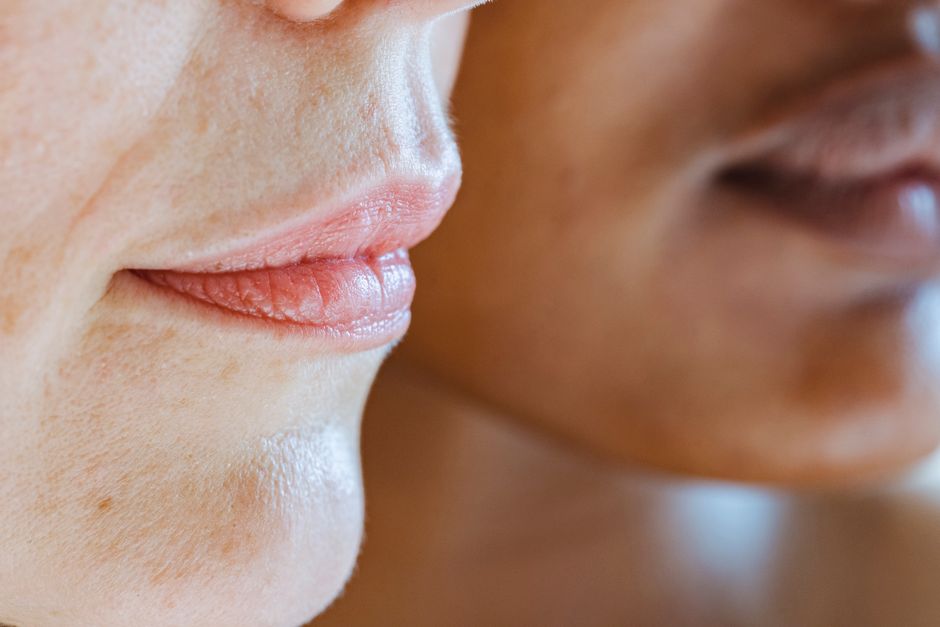
Smoking changes the lips in ways you can see and feel. The constant heat, the pursing motion, and the chemicals in smoke all leave marks. You can lower your risk of new damage by quitting or cutting back, wearing broad-spectrum sunscreen with SPF 30 or higher every day, and keeping lips moisturized with a barrier ointment. Some damage can improve after you stop smoking, but not all of it reverses. Sun protection and quitting are the two steps with the strongest evidence behind them.
What people call “smoker’s lips” is not a formal medical diagnosis. It is a set of visible and physical changes linked to smoking. Knowing what is actually happening helps you separate what you can change from what you cannot.
What Are Smoker’s Lips and What Causes Them?
Smoker’s lips refers to a cluster of changes: darkening of the lip color, fine vertical lines that deepen over time, dryness, and a thinning of the tissue. The cause is not one thing. It is several insults happening at once, repeatedly, over years.
Heat is the first. Each drag brings a small burst of hot smoke directly against the lip. Over thousands of cigarettes, that repeated low-level heat exposure adds up.
The pursing motion is the second. Smoking requires you to tighten the muscles around your mouth the same way every time. This is why some clinicians compare the lines around a smoker’s mouth to the creases a straw leaves in a habitual drinker. Repeated muscle contraction along the same lines contributes to wrinkles.
The third factor is chemical. Tobacco smoke contains thousands of compounds, and it reduces blood flow to the skin. Less blood flow means less oxygen and fewer nutrients reaching the lip tissue. Smoke also breaks down collagen and elastin, the proteins that keep skin firm and elastic. This is a well-established effect of smoking on skin generally, not just the lips.
Nicotine adds another layer. It narrows blood vessels, which further reduces circulation. The result is lips that look paler or darker, drier, and less full.
How To Avoid Smokers Lips And Reverse Damage?
The single most effective step is to stop smoking. Nothing else comes close. Every cigarette delivers another round of heat, chemicals, and reduced blood flow. Removing that exposure is the foundation everything else builds on.
After quitting, some changes improve. Circulation returns toward normal. Skin that was starved of oxygen and nutrients begins to recover. How much the lips themselves visibly improve varies from person to person. The evidence does not support a promise that wrinkles will disappear or that color will fully return. Be skeptical of anything that claims otherwise.
Sun protection is the second pillar, and it is often overlooked. Sun damage and smoking damage compound each other. The lips have very little melanin compared with the rest of the skin, which makes them more vulnerable to ultraviolet light. A lip balm with broad-spectrum SPF 30 or higher, reapplied through the day, protects against the sun-related part of the damage.
Moisture matters too. Smoking dries the lips, and dry lips crack and look worse. A plain ointment or balm that seals in moisture helps. Products containing petrolatum or similar barrier ingredients are widely used and inexpensive. Avoid balms that sting or tingle, since irritation works against healing.
Do not smoke and sunbathe at the same time. That combination concentrates both major sources of damage on the same tissue.
Can Lip Damage From Smoking Be Reversed?
Some of it can. Some of it cannot. The honest answer depends on which change you are asking about.
Changes driven by reduced blood flow and dryness are the most reversible. Once you stop smoking, circulation improves and lips that were chronically dry can recover their moisture balance. This tends to happen over weeks to months, not days.
Changes driven by collagen breakdown and repeated mechanical folding are much harder to reverse. Collagen loss and deep wrinkles are structural. The body does produce collagen, but the loss from years of smoking is not something the body simply rebuilds on its own. This is why the lines around the mouth tend to persist even after quitting.
Color changes are somewhere in between. Some people notice their lips look healthier after quitting. Others do not see much difference. There is no reliable way to predict which camp you will fall into.
The key point: quitting stops the damage from getting worse. That alone is worth a great deal, even when visible reversal is limited.
Does Smoking Cause Lip Cancer and Other Serious Lip Changes?
Yes. This is the part of the conversation that matters most, and it goes beyond appearance. Tobacco use is a major risk factor for cancers of the head and neck, including the lips. The lower lip is a common site for lip cancer, and it is strongly linked to both tobacco and sun exposure.
Watch for a sore on the lip that does not heal, a persistent lump, a white or red patch, or unusual bleeding. These are not proof of cancer, and many such spots turn out to be harmless. But a lip sore that lingers for more than a couple of weeks should be checked by a clinician. Early lip cancers are generally easier to treat than advanced ones.
This is not a reason to panic. It is a reason to pay attention. Most smokers will not develop lip cancer, but the risk is meaningfully higher than in people who do not smoke, and it rises with sun exposure on top of smoking.
What Actually Helps Lips After Quitting?
Simple, consistent care does more than expensive products. The basics are unglamorous but they work.
- Use a broad-spectrum lip balm with SPF 30 or higher every day, and reapply after eating or drinking.
- Keep lips moisturized with a plain barrier ointment, especially in dry or cold weather.
- Stay hydrated, since dehydration shows up quickly on the lips.
- Avoid licking your lips, which feels soothing briefly but dries them further as saliva evaporates.
- Do not pick at or peel flaking skin, which can cause small breaks in the skin barrier.
- Protect your face and lips from the sun with a hat and shade when you are outdoors for long periods.
Some people ask about creams marketed for lip lines or lip plumping. The evidence for most of these is thin. No topical product has been shown to reverse smoking-related collagen loss. If a product promises to erase smoker’s lines, treat that claim with caution.
For deeper wrinkles, some clinicians discuss procedures such as laser resurfacing or injectable fillers. These are medical decisions with real risks and costs, and results vary. They address appearance, not the underlying cause. Anyone considering them should talk with a qualified clinician about what is realistic for their situation.
Do Lip Balms and Treatments Really Work?
Lip balms work for what they are designed to do: seal in moisture and protect the skin barrier. That is a real, modest benefit. They do not reverse collagen loss, remove wrinkles, or undo years of smoke exposure.
This distinction matters because the market blurs it. A balm that makes lips feel and look better is doing its job. A balm that claims to repair smoker’s lips is making a claim that no strong human evidence supports.
The same caution applies to at-home devices and “lip masks” sold for reversing damage. Some may temporarily plump the lips by drawing in moisture. None have been shown to rebuild the structural changes smoking causes.
The most reliable “treatment” remains the least marketable one: stop smoking, protect from the sun, and keep the skin barrier intact. That combination addresses the actual causes rather than the appearance alone.
When Should You See a Doctor?
See a clinician if you have a lip sore that does not heal within a couple of weeks, a new lump or thickening, a patch that changes color or bleeds, or any persistent change that worries you. These signs are often harmless, but they deserve a professional look.
If you smoke and want help quitting, that is also a conversation worth having with a clinician. Quitting is hard, and support improves the odds. The benefits to your lips, skin, and overall health begin as soon as you stop, even if you have smoked for decades.
No single step erases the past. But the steps that reduce ongoing damage are well understood, and they are within reach.
Frequently Asked Questions
Can smoker’s lips go back to normal?
Some changes improve after quitting, especially dryness and circulation-related paleness. Structural changes like deep wrinkles and collagen loss usually do not fully reverse.
How long after quitting smoking do lips improve?
Improvements in moisture and circulation tend to build over weeks to months. There is no reliable timeline for visible changes, and results vary widely between people.
What is the best lip balm for smokers lips?
A plain barrier balm with broad-spectrum SPF 30 or higher is the most reliable choice. Avoid products that sting or tingle, since irritation works against healing.
Does smoking cause lip cancer?
Tobacco use is a major risk factor for lip cancer, and the lower lip is a common site. Sun exposure adds to that risk, so a lingering lip sore should be checked by a clinician.
