
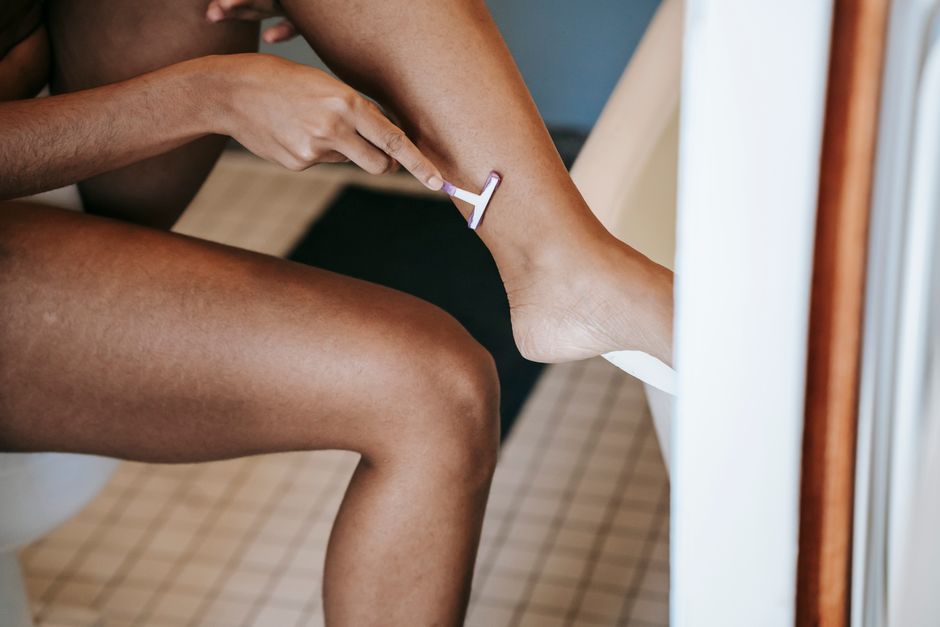
Pimples after shaving pubic hair are usually caused by folliculitis — inflammation or mild infection of the hair follicles — or by ingrown hairs, where a new hair curls back into the skin. You can reduce the risk by shaving with the grain of the hair, using a clean sharp razor and lubricant, shaving at the end of a warm shower, and not shaving the same area too often. Avoid tight clothing right after shaving, and don’t pick at any bumps that appear.
Why Do I Get Pimples After Shaving Pubic Hair?
Two things are usually happening. The first is folliculitis — inflammation of the hair follicle. Shaving creates tiny breaks in the skin around the follicle, and bacteria that normally live on skin can get in and cause small red bumps. Some of these are tender or contain a little pus.
The second is ingrown hairs. A shaved hair has a sharp, angled tip. As it grows back, it can curl and re-enter the skin instead of rising through the surface. The body responds with inflammation — a bump that looks like a pimple, sometimes with the hair visible under the skin.
Pubic skin is especially prone to both. The hair there is coarse and curly, the skin is thin, and the area stays warm and moist. Friction from underwear and clothing makes it worse.
One clarification worth knowing: most of these bumps are not acne. Acne involves blocked pores and oil glands. Post-shave bumps are a different process, which is why acne treatments don’t always help and can sometimes irritate the skin further.
How To Avoid Pimples After Shaving Pubic Hair
Prevention comes down to reducing skin damage and bacterial exposure. None of these steps is complicated, but doing them consistently matters more than any single product.
Prepare the skin first. Shave at the end of a warm shower, when hair has softened and skin is clean. Warm water makes hair more flexible and less likely to tug.
Use a clean, sharp razor. A dull blade drags and tears rather than cuts. Rinse the razor between strokes. Don’t share razors, and replace them regularly — a razor used on pubic hair dulls faster than one used on the face.
Use lubrication. Shaving cream or gel made for sensitive skin reduces friction. Some people use conditioner as a substitute; it works reasonably well, though dedicated shave products are formulated to stay in place.
Shave with the grain. This is the single most useful habit. Shaving in the direction the hair grows cuts hair at the surface rather than below it, which reduces both irritation and ingrown hairs. Shaving against the grain gives a closer result but raises the risk of bumps.
Use light pressure and short strokes. Don’t press hard or go over the same spot repeatedly. Rinse the blade after each stroke.
Rinse with cool water and pat dry. Cool water helps calm the skin. Pat rather than rub with a clean towel.
Moisturize with a gentle, fragrance-free product. Fragrance and some botanical ingredients irritate freshly shaved skin. Plain, unscented moisturizer is the safer choice.
Wear loose clothing afterward. Tight underwear and synthetic fabrics trap heat and create friction. Cotton or breathable fabrics help, especially in the first day or two.
Don’t shave too often. Give skin time to recover between sessions. Shaving every day in the same area increases irritation for most people.
Does Shaving Direction Really Matter?
Yes, and it’s one of the better-supported pieces of shaving advice. Shaving against the grain cuts hair below the skin surface. When that hair grows back, it’s more likely to get trapped under the skin and cause an ingrown hair. Shaving with the grain leaves the hair tip at or just above the surface, so it can grow out normally.
The trade-off is closeness. Shaving with the grain won’t feel as smooth. For people who get frequent bumps, that trade-off is usually worth it. Some dermatologists suggest a middle approach: shave with the grain first, then carefully across the grain if needed, but avoid going fully against it.




Are There Products That Actually Help?
The evidence for specific over-the-counter products is limited. Some approaches have reasonable support; others are mostly marketing.
What has some support:
- Gentle chemical exfoliants containing salicylic acid or glycolic acid may help reduce ingrown hairs by encouraging skin cell turnover. Start with low concentrations and test on a small area first, since these can sting freshly shaved skin.
- Warm compresses can help bring an ingrown hair to the surface if one has already formed.
- For mild folliculitis, some clinicians recommend an over-the-counter antibacterial wash. Evidence for routine use in prevention is mixed, and overuse can disrupt normal skin bacteria.
What has little or no good evidence:
- Post-shave “bump prevention” sprays and serums marketed specifically for pubic skin. No large trials confirm these work better than basic gentle skin care.
- Routine use of antibiotic creams on healthy skin. This isn’t recommended and contributes to antibiotic resistance.
- Alcohol-based toners. They dry and irritate skin and can make irritation worse.
If bumps are frequent and bothersome despite good technique, it’s worth talking to a clinician rather than buying more products.
What If I Already Have Bumps?
Most post-shave bumps settle on their own within a few days to a week. In the meantime, gentle care helps.
Stop shaving the area until it clears. Apply warm compresses to help ingrown hairs surface. Keep the skin clean and avoid picking or squeezing — this can push bacteria deeper and cause a larger infection or a scar.
If a bump becomes large, painful, hot, or spreads, see a clinician. Some folliculitis needs prescription treatment, and a boil or abscess needs medical care. Signs that warrant prompt attention include spreading redness, fever, or increasing pain.
Don’t try to dig out an ingrown hair with a needle or tweezers unless you know what you’re doing. It’s a common cause of infection and scarring. A clinician can remove it safely.
Are Other Hair Removal Methods Better?
They can be, depending on your skin and how much irritation you get from shaving. Each method has trade-offs.
| Method | Bump risk | Notes |
|---|---|---|
| Shaving with the grain | Lower than against the grain | Cheap and quick; requires good technique |
| Trimming (clippers) | Low | Leaves short hair; very low irritation risk |
| Depilatory creams | Moderate | Chemical irritants can burn sensitive skin; patch test first |
| Waxing | Moderate to high | Removes hair at the root; can cause folliculitis and ingrown hairs |
| Laser hair removal | Lower long-term | Reduces hair growth over time; requires professional sessions and cost |
Trimming is often the simplest option for people who get recurring bumps. Laser hair removal reduces hair growth over time, which reduces the problem at its source, though it requires multiple sessions and isn’t covered by most insurance for cosmetic reasons.
Depilatory creams are worth a patch test. The skin in the pubic area is thin and can react strongly to the chemicals in these products. Follow the label’s timing instructions exactly and don’t leave them on longer than directed.
When Should I See a Doctor?
See a clinician if bumps are severe, recurrent, or don’t clear with basic care. Also seek care if you notice spreading redness, swelling, warmth, fever, or pus-filled bumps that are getting larger. These can signal a bacterial infection that needs treatment.
Some skin conditions can look like post-shave bumps but aren’t. If bumps persist for weeks, are painful, or appear in patterns that don’t match shaving, get them checked. A clinician can tell the difference between folliculitis, ingrown hairs, and other skin conditions.
Frequently Asked Questions
How long do pimples after shaving pubic hair last?
Most mild post-shave bumps settle within a few days to a week with gentle care. Bumps that last longer or get worse should be checked by a clinician.
Can I pop pimples after shaving pubic hair?
No. Popping or squeezing can push bacteria deeper and cause a larger infection or a scar. Warm compresses and gentle cleansing are safer.
Is it better to shave with or against the grain to avoid bumps?
Shaving with the grain reduces the risk of ingrown hairs and irritation. Shaving against the grain gives a closer shave but raises bump risk.
Should I use deodorant or powder after shaving pubic hair?
No clinical evidence supports using deodorant or powder to prevent post-shave bumps, and both can irritate freshly shaved skin. Gentle, fragrance-free moisturizer is a safer choice.
