
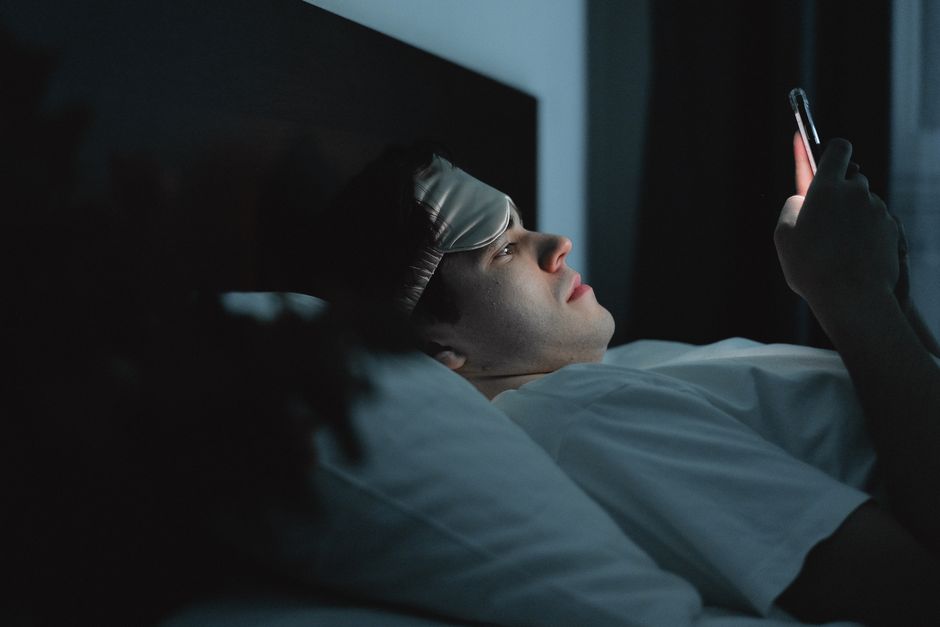
Late night snacking rarely happens because you are actually hungry. It happens because the kitchen is close, the house is quiet, and your brain has learned to expect a reward at that hour. To stop it for good, you stop relying on willpower and start changing the conditions that trigger it. Eat enough during the day, build a clear evening routine, and make the kitchen inconvenient at night. Do those three things consistently and the habit loses most of its power.
Why Do I Crave Snacks Late At Night?
Late night eating is usually driven by habit and environment, not by genuine calorie need. Your body has a built-in daily rhythm, and for most people hunger is naturally lower in the evening than it is in the morning. If you feel a strong pull toward the pantry at 10 p.m., that pull is more likely a learned cue than a physical requirement.
Habits work in loops. A trigger sets them off, a behavior follows, and a reward reinforces the loop. For many people the trigger is boredom, stress, loneliness, or simply sitting down in front of a screen. The reward is the taste and the brief distraction. Over weeks and months, your brain links that time of night and that setting to eating. The craving you feel is your brain anticipating a reward it has learned to expect.
There is a real physiological side too. Not eating enough during the day can leave you genuinely hungry by evening. Skimping on protein at meals can make that worse, since protein is the nutrient most strongly linked to lasting fullness. Some research suggests that sleep loss shifts appetite-regulating hormones in a direction that increases appetite and interest in calorie-dense food. In other words, a short night can make late snacking more likely the next evening.
What late snacking is not, in most cases, is a character flaw. Framing it as a willpower problem tends to backfire, because willpower is a limited resource that fades exactly when you need it most.
How To Avoid Late Night Snacking For Good
The lasting fix is to change your environment and your daily pattern so the snack urge has less to work with. Relying on resolve alone almost always fails eventually, because resolve is weakest at night when you are tired.
Start with the day, not the night. Eat balanced meals with enough protein, fiber, and healthy fat so you arrive at evening genuinely satisfied. A lunch or dinner that leaves you hungry by 8 p.m. sets up the exact situation you are trying to avoid. Front-loading your eating earlier in the day is one of the most effective levers, because it addresses real hunger rather than fighting a craving.
Then build a clear evening routine that does not include the kitchen. A predictable sequence, such as washing up, brushing your teeth, and moving to a different room, gives your brain a new set of cues to follow. Brushing your teeth early is a small but surprisingly effective signal, because it marks the end of eating for the day and makes a snack feel like it would undo a completed step.
Finally, make the kitchen inconvenient. This is the part people skip, and it is often the part that matters most.
- Keep tempting snacks out of the house, or store them somewhere hard to reach.
- Turn off the kitchen lights and leave the room after dinner.
- Avoid eating in front of a screen, which pairs snacking with a powerful automatic cue.
- Set a clear kitchen closing time and treat it as fixed.
- Keep a glass of water or a caffeine-free herbal tea nearby for the oral habit.
These steps work because they remove the trigger and the easy reward, which is how habits actually fade. You are not resisting the urge so much as giving it fewer chances to appear.
Does Eating More Protein During The Day Help?
Protein is the most satiating of the three main nutrients, meaning it tends to leave you fuller for longer than the same calories from fat or carbohydrate. Getting adequate protein at your main meals is a reasonable, well-supported way to reduce hunger that builds into the evening.
The general guidance from nutrition bodies is that most adults benefit from including protein at each meal rather than saving it for dinner alone. Spreading it across the day supports steadier fullness. If your evening hunger is real and not just habit, this is the first thing to examine.
That said, protein is not a magic switch. It reduces genuine hunger. It does not stop a habit-driven craving that shows up because you are bored and the TV is on. You still need the environment changes described above.
Is It Bad To Eat Before Bed?
Eating a large meal close to bedtime is linked to poorer sleep quality for many people, largely through indigestion and reflux. Lying down soon after a heavy meal makes stomach contents more likely to move back up the esophagus, which can cause heartburn and disrupt rest.
There is a widespread belief that any evening eating causes weight gain, and this is worth correcting. Body weight is influenced by total calorie intake and expenditure over time, not by the clock alone. What matters more than the exact hour is what and how much you eat across the whole day. A modest, planned snack is not inherently harmful. The problem with late night snacking is usually that it is unplanned, easy to overdo, and adds calories you were not actually hungry for.
If you do eat in the evening, giving your body some time before lying down is a sensible habit for comfort and reflux, not a strict rule tied to a specific number of minutes.
Why Willpower Alone Does Not Work
Willpower is a poor long-term strategy because it depends on the exact conditions that are weakest at night. By evening you are tired, and self-control is generally lower when you are fatigued. Relying on it means fighting the same battle every single night.
Habits, by contrast, run automatically and require almost no effort once established. The goal is to make not snacking the default, so you are not making a decision at all. When the kitchen is dark, the snacks are put away, and your evening routine has already moved you past the eating window, there is simply less to resist.
This is why the environment changes matter more than motivation. You are designing the situation so the easy choice is also the one you want. Some people find that telling themselves “not now” rather than “never” eases the mental pushback, since the urge often passes within a short time if it is not fed.
What If I Am Actually Hungry At Night?
If you are genuinely hungry at night, eat something. Real hunger is a signal worth listening to, and ignoring it can backfire by making you overeat later. The key is to tell the difference between true hunger and a habit-driven craving.
True hunger builds gradually and comes with physical signs. A craving tends to arrive suddenly, is tied to a specific food, and fades if you wait it out. If you are truly hungry most nights, that is a sign your daytime eating needs adjusting, not that you need more discipline.
When you do eat late, choose something modest and satisfying, such as a small portion of protein with some fiber. A handful of nuts, some plain yogurt, or a piece of fruit with a little nut butter are reasonable options. The point is to address hunger without turning it into a full second meal or a bag of chips eaten without attention.
If late-night eating feels out of your control, happens most nights, and comes with shame or distress, it may be worth speaking with a healthcare professional. Some patterns of night eating are linked to sleep and mood issues that benefit from proper support rather than more self-restraint.
Frequently Asked Questions
How do I stop snacking at night?
Change your environment rather than relying on willpower. Eat enough during the day, set a clear kitchen closing time, and keep tempting snacks out of easy reach so the habit has fewer triggers.
Why do I crave snacks at night even when I am not hungry?
Late night cravings are usually a learned habit triggered by cues like boredom, stress, or screen time, not real hunger. Your brain has come to expect a reward at that hour.
Does eating late at night cause weight gain?
Total calorie intake over the day matters more than the exact hour you eat. Late snacking tends to add unplanned calories, which is why it can contribute to weight gain over time.
What should I eat if I am truly hungry before bed?
Choose a small portion of something with protein and fiber, such as plain yogurt or a handful of nuts. Keep it modest so it eases hunger without becoming a full meal.
