
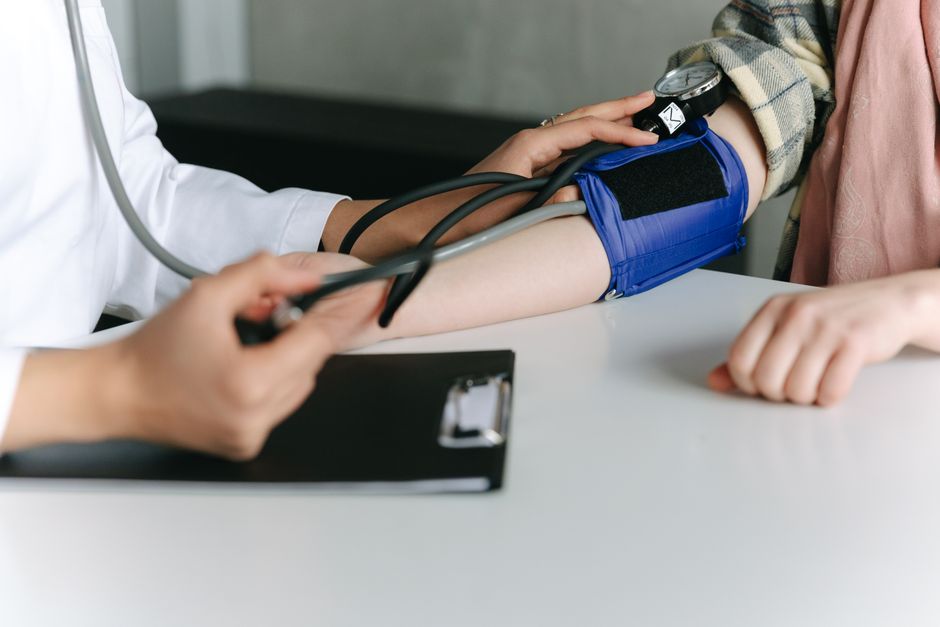
High blood pressure is one of the most common conditions in the United States, and one of the most silent. You can avoid hypertension, or lower blood pressure that has already crept up, through eight lifestyle changes: cut sodium, eat more potassium-rich foods, move regularly, keep weight in a healthy range, limit alcohol, stop smoking, sleep enough, and manage stress. For many people these steps lower blood pressure meaningfully. For others they are not enough on their own, and medication is still needed.
What Blood Pressure Numbers Actually Mean
Blood pressure is written as two numbers. The top number, systolic pressure, is the force against your artery walls when your heart beats. The bottom number, diastolic pressure, is the pressure between beats, when your heart rests and refills.
Current US guidelines classify a reading below 120/80 mm Hg as normal. Systolic pressure between 120 and 129 with diastolic below 80 is called elevated. Stage 1 hypertension starts at 130/80 mm Hg. Stage 2 starts at 140/90. A single high reading does not diagnose hypertension. Clinicians usually confirm with repeated measurements, often including readings taken at home.
One detail people often miss: for adults over 50, systolic pressure tends to matter more as a risk marker than diastolic pressure. Arteries stiffen with age, so the top number climbs while the bottom number may stay normal or even fall. A reading of 150/70 is still hypertension, even though the bottom number looks fine.
How Can Cutting Sodium Lower Blood Pressure?
Sodium pulls water into your bloodstream. More fluid in the vessels means more pressure against their walls. Cutting sodium reduces that fluid volume, and for many people blood pressure follows.
The effect varies. Some people are salt-sensitive and see a clear drop when they cut back. Others respond less. Research consistently shows that lower sodium intake is linked to lower average blood pressure across populations, though the size of the effect differs from person to person.
The bigger issue is where sodium hides. Most of the sodium Americans eat does not come from the salt shaker. It comes from restaurant meals, canned soups, deli meat, bread, frozen dinners, and packaged snacks. Reading labels matters more than cooking bland food.
Federal dietary guidelines recommend keeping sodium under 2,300 mg per day. That is about one teaspoon of salt. The American Heart Association suggests an ideal limit closer to 1,500 mg per day for people with high blood pressure, though that lower target is harder to hit and not everyone needs to aim that low.
Why Does Potassium Matter As Much As Sodium?
Potassium helps your body flush excess sodium through urine and relaxes the walls of your blood vessels. The two minerals work as a pair. Cutting sodium helps most when potassium intake rises at the same time.
Most Americans get far less potassium than recommended. Federal guidelines suggest roughly 3,400 to 3,500 mg per day for adults, and most people eat about half that. Foods that deliver potassium include beans, lentils, potatoes, bananas, spinach, tomatoes, oranges, and yogurt.
Potassium supplements are not a casual fix. For people with kidney disease, too much potassium can be dangerous. If your kidneys do not filter well, talk to a clinician before increasing potassium through supplements.
How Much Exercise Do You Need To Lower Blood Pressure?
Regular physical activity lowers blood pressure both during and after exercise. Over time, it makes the heart pump more efficiently and helps blood vessels stay flexible. Both aerobic activity and strength training help, and combining them appears to work better than either alone.
Federal physical activity guidelines recommend at least 150 minutes of moderate-intensity aerobic activity per week, plus muscle-strengthening activity on two or more days per week. That works out to about 30 minutes on most days. Walking briskly counts. So does cycling, swimming, or dancing.
You do not have to hit that target to see benefit. Some research suggests that even modest increases in activity, compared with being sedentary, are associated with lower blood pressure. Starting where you are beats waiting until you can do it perfectly.
Does Weight Loss Lower Blood Pressure?
Yes. Excess body weight is one of the strongest drivers of high blood pressure. Losing weight reduces the workload on the heart and lowers the pressure needed to move blood through the body.
The relationship is roughly dose-dependent. The more weight a person loses, the larger the typical drop in blood pressure, though individual results vary. Even modest weight loss is associated with measurable improvement in many people.
Where the weight sits matters too. Fat stored around the abdomen is more strongly linked to hypertension and metabolic problems than fat stored elsewhere. Waist circumference can be a useful number to track alongside the scale.
How Do Alcohol And Smoking Affect Blood Pressure?
Alcohol raises blood pressure in a dose-dependent way. The more you drink, the higher the average blood pressure tends to be. Cutting back or stopping can lower it. Federal dietary guidelines define moderate drinking as up to two drinks per day for men and up to one per day for women, though some health organizations now recommend less. Anyone with hypertension has good reason to drink less than that, or not at all.
Smoking raises blood pressure temporarily with each cigarette and damages blood vessels over time. The damage to arteries is the bigger long-term concern. Quitting is one of the highest-value changes a smoker can make, though the blood pressure benefit from quitting is smaller than the benefit for heart and lung health overall. The nicotine in cigarettes is what drives the acute rise, and nicotine replacement products carry some of the same short-term effect, which is worth discussing with a clinician.
Can Sleep And Stress Really Change Blood Pressure?
Sleep and stress both affect blood pressure, and both are often overlooked.
Blood pressure normally dips at night during sleep. People who sleep poorly, or who have untreated sleep apnea, often lose that nighttime dip. Sleep apnea is a common and underdiagnosed cause of resistant hypertension, meaning blood pressure that stays high despite treatment. If you snore heavily, wake unrefreshed, or feel exhausted during the day, it is worth asking a clinician about a sleep study.
Chronic stress keeps the body’s stress hormones elevated, which can raise blood pressure over time. The evidence for specific stress-reduction techniques is more mixed than the evidence for diet and exercise. Some studies suggest that practices like slow breathing, meditation, and yoga are associated with modest reductions. The effect is real but generally smaller than what diet and activity changes produce.
What Else Should You Know?
These eight changes work best together, not in isolation. Cutting sodium while ignoring potassium, or exercising while sleeping five hours a night, tends to produce smaller results than addressing several at once.
It is also worth being honest about limits. Lifestyle changes lower blood pressure for many people, but not always enough to avoid medication. Hypertension often has a strong genetic component, and some people do everything right and still need drugs. That is not a failure. Medication and lifestyle work together, and lifestyle changes can sometimes reduce how much medication is needed, under a clinician’s guidance.
Home blood pressure monitoring is one of the most useful tools available. It gives you real data instead of one reading in a doctor’s office, which can be affected by nerves or the time of day. Bring your readings to appointments. They help guide decisions far better than a single measurement.
Frequently Asked Questions
Can you reverse hypertension with lifestyle changes alone?
Some people with stage 1 hypertension can bring readings into normal range through diet, exercise, weight loss, and sleep. Others need medication regardless of lifestyle, because genetics and age play a large role.
How fast can lifestyle changes lower blood pressure?
Some changes, like cutting sodium, can produce measurable drops within a few weeks. Weight loss and exercise effects build over months. Blood pressure should be monitored rather than assumed to be improving.
Is 130/80 really high blood pressure?
Under current US guidelines, 130/80 mm Hg is stage 1 hypertension. The threshold was lowered in 2017 based on evidence linking readings in that range to higher cardiovascular risk over time.
Does drinking more water lower blood pressure?
No. There is no strong evidence that increasing plain water intake lowers blood pressure in most people. Sodium reduction and potassium intake matter far more.
