
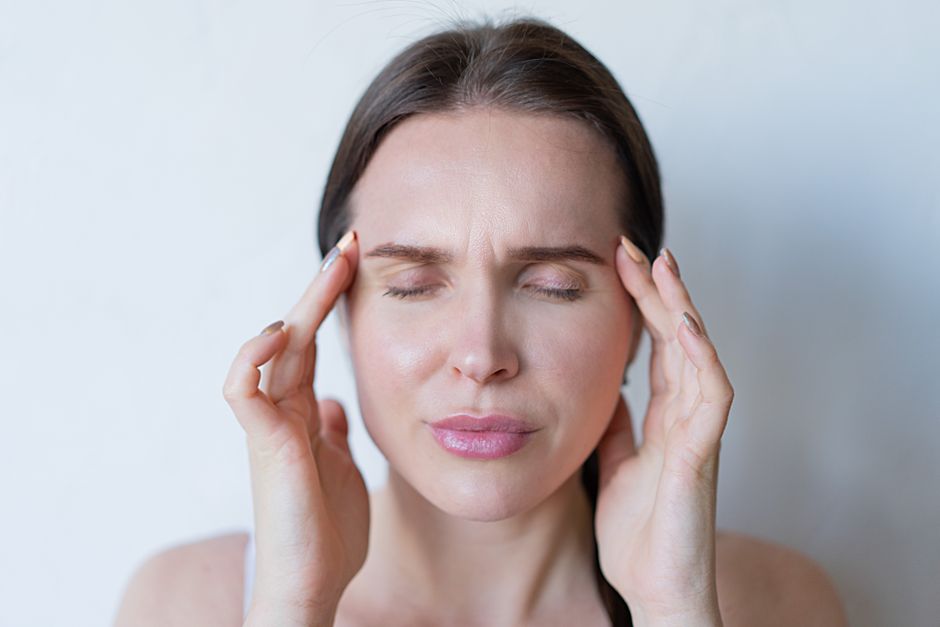
Most headaches are not random events. They build from small daily patterns — skipped meals, dehydration, poor sleep, tight neck muscles, and stress that never gets a release valve. The most reliable way to avoid headaches with simple daily habits is to keep your body’s basic needs steady: eat on a regular schedule, drink water throughout the day, sleep and wake at consistent times, and take short breaks from screens and sustained posture. None of these habits is dramatic. Together they remove many of the common triggers that push a headache-prone system over the edge.
How To Avoid Headaches With Simple Daily Habits
Headaches happen when the brain’s pain-sensitive structures get irritated or when the nervous system’s pain-processing signals become amplified. Daily habits work on both fronts. They reduce the physical triggers — hunger, dehydration, muscle tension, poor sleep — and they lower the background stress load that makes the nervous system more reactive.
The key word is consistency. A single glass of water or one early night will not prevent headaches. What matters is a routine your body can predict. The body regulates blood sugar, hydration, and sleep on rhythms. When those rhythms get scrambled — a late breakfast one day, four hours of sleep the next — the system gets stressed, and for many people that stress shows up as a headache.
This is also why “simple” does not mean “easy.” The habits below are plain, but they only work when they become automatic. Pick two or three to start. Build them into your day until you stop thinking about them.
Why Does Dehydration Cause Headaches?
Even mild dehydration can trigger a headache. The brain itself is about 75% water, and when fluid levels drop, blood volume falls slightly and the brain can temporarily shrink away from the skull. That pulling on pain-sensitive membranes is one proposed mechanism behind dehydration headaches. The evidence for the exact mechanism is still debated, but the link between low fluid intake and headache is well documented in clinical settings.
The tricky part is that thirst is a late signal. By the time you feel thirsty, you may already be mildly dehydrated. Older adults often have a blunted thirst response, which makes this more of a risk with age.
Practical habits that help:
- Keep a water bottle where you can see it — visual cues drive intake more than intention.
- Drink a glass of water with every meal and when you wake up.
- Watch for dark yellow urine, which suggests you need more fluid.
- Increase intake in heat, during exercise, and when you are sick.
One clarification worth making: plain water is not the only source of fluid. Tea, milk, and water-rich foods all count. What doesn’t help is relying on coffee or alcohol as your main fluids — both can contribute to fluid loss.
Can Skipping Meals Trigger Headaches?
Yes. Skipping meals is one of the most common dietary headache triggers. When you go too long without eating, blood sugar drops, and for people prone to headaches — especially those with migraine — that dip can set one off. The relationship is well established in headache clinics, even though the precise mechanism is not fully understood.
The habit that helps is steady eating, not strict dieting. Aim for regular meals at roughly the same times each day, and keep a snack on hand for long stretches between meals. A snack that combines some carbohydrate with protein or fat — like fruit with nuts, or crackers with cheese — tends to hold blood sugar steadier than a sugary snack alone.
If you often skip breakfast, that is a good place to start. A simple morning meal within an hour or two of waking helps stabilize blood sugar for the day ahead.
How Does Sleep Affect Headaches?
Sleep and headaches are tightly linked in both directions. Too little sleep can trigger a headache, and poor sleep over time makes the nervous system more sensitive to pain. For people with migraine, irregular sleep — going to bed and waking at very different times — is a recognized trigger.
The habit that matters most is a consistent sleep schedule. Going to bed and waking at about the same time every day, including weekends, helps set the body’s internal clock. Most adults need seven to nine hours of sleep per night, according to general sleep health guidance.
A few sleep habits that support headache prevention:
- Keep the bedroom dark, quiet, and cool.
- Avoid screens for the last 30 to 60 minutes before bed.
- Limit caffeine in the afternoon and evening.
- Avoid alcohol close to bedtime — it fragments sleep even when it helps you fall asleep.
One thing to watch: oversleeping can also trigger headaches for some people, particularly on weekends after a week of short sleep. The goal is regularity, not just duration.
Why Do Screens and Posture Cause Headaches?
Long stretches looking at a screen or holding the head forward strain the muscles of the neck and upper back. That tension can refer pain into the head, producing what clinicians call a tension-type headache. The muscles at the base of the skull and across the shoulders are common culprits.
The fix is not a special chair or an expensive device. It is movement and breaks. The human body is built to change position often, and sustained posture — any posture — becomes a problem when held too long.
Habits that reduce posture-related headaches:
- Take a short break every 30 to 60 minutes to stand, stretch, and look away from the screen.
- Raise your screen so the top of the monitor is roughly at eye level.
- Keep your feet flat and your lower back supported when sitting.
- Do a few gentle neck and shoulder stretches during the day.
Eye strain adds to the problem. Looking at a screen for hours reduces blinking, which dries the eyes and can contribute to head discomfort. The simple habit of looking at something far away for 20 seconds every 20 minutes helps reset the eyes.
Does Stress Management Really Prevent Headaches?
Stress is one of the most frequently reported headache triggers, and the evidence supporting stress reduction as a prevention strategy is reasonably strong — particularly for tension-type headaches and migraine. The mechanism is not mysterious. Stress activates the body’s alarm systems, tightens muscles, disrupts sleep, and lowers the pain threshold. Over time, chronic stress keeps the nervous system in a more reactive state.
The habits that help are the ones you will actually do. A short daily walk, a few minutes of slow breathing, or a regular wind-down routine in the evening all count. What matters is regularity, not intensity.
One non-obvious point: the “let-down” after stress can be a trigger too. Some people get headaches on the first day of vacation or the weekend after a hard week. This is sometimes called a let-down headache. If that pattern sounds familiar, it does not mean stress reduction is failing — it means the shift in stress level itself can provoke a headache. Building in gentler transitions can help.
What About Caffeine and Alcohol?
Caffeine is a double-edged habit. In small, consistent amounts, it can actually help relieve headaches — it is an ingredient in some over-the-counter headache medications. But irregular caffeine intake or sudden withdrawal can trigger headaches, sometimes severe ones. If you drink coffee daily, keeping the amount and timing steady matters more than cutting it out.
Alcohol is a well-recognized headache trigger for many people, and red wine in particular is often reported. The reasons are not fully understood and may involve multiple factors, including dehydration and compounds in the drink itself. If you notice a pattern between drinking and headaches, tracking it for a few weeks can help you see whether the link is real for you.
Neither caffeine nor alcohol needs to be eliminated for everyone. The habit that helps is awareness — noticing how your body responds and adjusting accordingly.
When Should You See a Doctor About Headaches?
Most headaches are not dangerous, but some patterns warrant medical attention. Seek care promptly if you have a sudden, severe headache that peaks within seconds — often described as a thunderclap headache — or a headache after a head injury. Also seek care if headaches come with fever and stiff neck, confusion, weakness, vision changes, or if they are new after age 50.
For people with frequent or recurring headaches, a doctor can help identify the type and discuss prevention options. Keeping a simple headache diary — noting timing, what you ate, how you slept, and stress levels — gives you and your clinician useful information. It also helps you see patterns that are easy to miss.
Daily habits are a foundation, not a replacement for medical care. If headaches are frequent enough to disrupt your life, that is a reason to talk to a clinician, not to try harder on your own.
Frequently Asked Questions
How much water should I drink to prevent headaches?
There is no single number that fits everyone, but general guidance suggests aiming for roughly 8 cups of fluid a day for most adults, with more in heat or during exercise. Watching urine color is a practical way to gauge hydration.
Can lack of sleep cause headaches the next day?
Yes, poor or shortened sleep is a recognized headache trigger, and irregular sleep schedules are a common one for people with migraine. Keeping consistent bed and wake times helps reduce that risk.
Do daily walks help prevent headaches?
Regular light activity like walking can help by reducing stress, supporting sleep, and improving circulation. The evidence is strongest for stress-related and tension-type headaches rather than as a stand-alone cure.
How long does it take for daily habits to reduce headaches?
There is no set timeline, and results vary by person and headache type. Many people notice patterns within a few weeks of consistent habits, but frequent headaches deserve a conversation with a clinician.
