
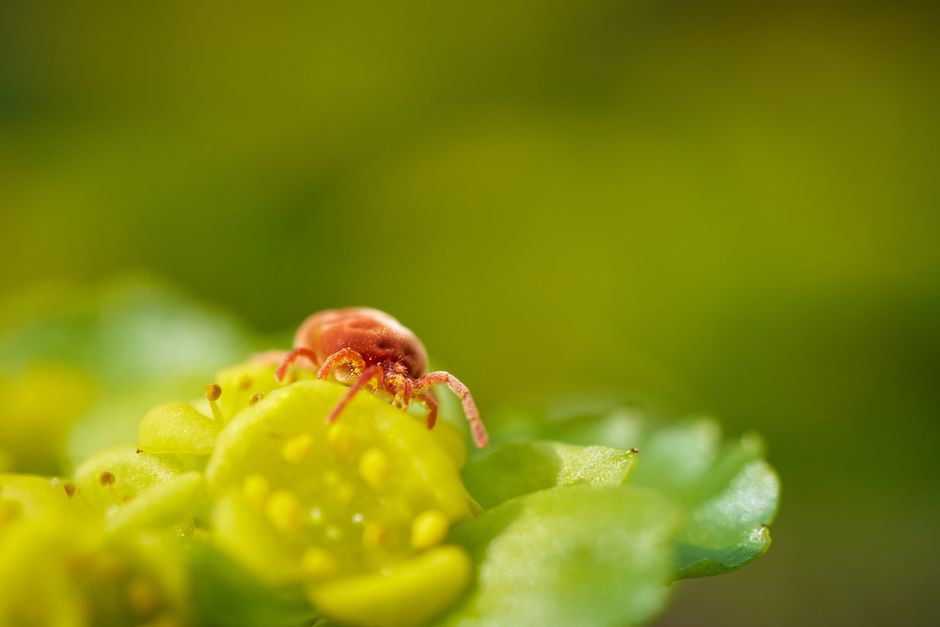
Dust mites are tiny arachnids that live in household dust and feed on shed human skin cells. You cannot eliminate them from a home, but you can keep their numbers down by controlling the three things they need most: moisture, food, and soft surfaces that trap both. The most effective steps are washing bedding in hot water regularly, keeping indoor humidity low, encasing mattresses and pillows, and reducing clutter and carpet where mites collect.
They are invisible to the naked eye, roughly a quarter of a millimeter across, and they thrive in warm, humid environments. Their waste proteins are what trigger allergic reactions in sensitive people, not the mites themselves. Understanding where they live and what limits them makes the whole problem far more manageable than most people expect.
What Are Dust Mites and Why Do They Matter?
Dust mites are microscopic organisms in the same broad family as spiders and ticks. They do not bite, sting, or carry disease. The health concern comes entirely from their waste and body fragments, which contain proteins that some immune systems treat as a threat.
For people with a dust mite allergy, inhaling those proteins can trigger sneezing, a runny or stuffy nose, itchy or watery eyes, and in some cases coughing or wheezing. People with asthma may find their symptoms worsen in mite-heavy environments. Roughly one in five people in the United States is sensitive to dust mite allergens, based on allergy testing data, though not everyone who tests positive develops symptoms.
A detail worth knowing: the allergen does not float freely for long. Mite particles are relatively heavy and settle quickly onto surfaces. That means the mattress you sleep on and the floor beside your bed matter more than the air in the middle of a room. Air purifiers get a lot of marketing attention, but their role in reducing settled mite allergen is limited compared with direct cleaning and moisture control.
How To Avoid Dust Mites in Bedding, Floors, and Air
This is the core of the problem, because bedding and floors are where mites concentrate. Approach it in layers rather than looking for one fix.
Bedding
Your bed is the single richest habitat in most homes. It is warm, it holds moisture from your body, and it collects skin cells every night. A few established measures make a real difference:
- Wash sheets, pillowcases, and blankets in hot water. Water at or above 130°F (54°C) kills dust mites. Warm or cold water removes some allergen but does not reliably kill the mites.
- Dry bedding on a high heat setting. The heat of a dryer also kills mites.
- Use zippered, allergen-impermeable covers on mattresses, box springs, and pillows. These trap mites inside and keep allergen from reaching you. Evidence supports covers as part of a combined approach, though covers alone show limited benefit in studies.
- Wash bedding weekly if someone in the home has a mite allergy.
One clarification that surprises people: special “anti-allergy” pillows and mattresses marketed as mite-proof are not a substitute for a proper encasing, and their long-term effectiveness is not well established. A certified impermeable cover over a regular mattress is the better-supported approach.
Floors
Carpet holds dust, skin cells, and moisture, which makes it a reservoir for mites. If someone in the home is allergic, hard flooring is easier to keep clean. Where carpet stays, regular vacuuming with a high-efficiency (HEPA) filter helps, though vacuuming removes surface allergen and does not reach mites deep in the pile. It can briefly stir up dust, so a person with allergy may want someone else to vacuum or wear a mask. Washable rugs that can go through a hot cycle are a practical middle ground.
Air and humidity
Dust mites absorb moisture from the air. When indoor humidity stays low, they cannot thrive and their reproduction drops. Keeping indoor relative humidity below about 50% is a widely recommended target, and it is the most powerful environmental lever you have. Air conditioning and dehumidifiers help. Opening windows in humid climates can work against you.
HEPA air purifiers can reduce airborne particles, but because mite allergen settles quickly, they are a supporting measure, not a primary one. No purifier removes mites living in a mattress.
Does Indoor Humidity Really Control Dust Mites?
Yes. Humidity is the factor most people underestimate, and it is well documented that dust mites depend on ambient moisture to survive. In dry air they lose water faster than they can replace it.
This is why mite problems are often worse in humid climates and in homes with poor ventilation. It also explains why the same bedding routine works better in a dry home than a damp one. Practical steps include using a dehumidifier in basements and bedrooms, running exhaust fans in bathrooms, fixing leaks, and avoiding over-watering indoor plants. A hygrometer, which costs very little, lets you actually see your indoor humidity rather than guess.
There is a limit to this approach. In very humid regions, keeping a whole home below 50% can be difficult and costly. In those cases, focus on the bedroom, where you spend the most time and where mite exposure matters most.
Which Cleaning Habits Actually Reduce Dust Mites?
Consistent, simple cleaning beats occasional deep cleaning. The goal is to remove the food source (skin cells and dust) and to keep surfaces dry.
- Vacuum regularly, ideally with a HEPA-filter machine, focusing on bedrooms and high-traffic areas.
- Dust with a damp cloth rather than a dry one, so you capture allergen instead of scattering it.
- Reduce clutter. Stuffed animals, fabric piles, and knickknacks collect dust and are hard to clean. Wash stuffed toys in hot water or freeze them, a method some clinicians suggest for reducing mites.
- Wash curtains and blankets periodically in hot water.
- Keep pets off the bed if allergy is a concern, since pet dander adds to the dust load.
What does not help much: dry sweeping, which just moves dust around, and relying on a single cleaning session. Mite populations rebound, so routine matters more than intensity.
Do Air Purifiers and Special Products Help?
Some do a little. Many do far less than their packaging suggests. It is worth separating the useful from the overhyped.
HEPA air purifiers remove particles from the air and can lower airborne allergen, but they do not address mites in bedding or carpet, which is where the bulk of exposure happens. Their benefit is modest and best seen as a supplement.
Products marketed as mite sprays, mite “traps,” and ultrasonic devices have weak or absent evidence behind them. No clinical evidence currently confirms that ultrasonic repellents reduce mites or allergy symptoms. Chemical acaricides, which kill mites, exist, but their role in routine home use is limited and they are not a first-line recommendation for most households.
Mattress and pillow encasings are the exception. They are among the better-supported products, especially when combined with hot-water washing and humidity control rather than used alone.
When Should You See a Doctor?
If you have persistent nasal, eye, or breathing symptoms that seem worse at home or in the bedroom, a doctor can help sort out whether dust mites are the cause. Allergy testing can confirm sensitivity, and that matters because many things cause similar symptoms.
Seek medical care promptly for wheezing, shortness of breath, or symptoms that interfere with sleep or daily life, especially if you have asthma. Home measures reduce exposure, but they are not a treatment for allergy or asthma. Medication and other management, when needed, are decisions for a clinician. Reducing mite exposure is a sensible supporting step, not a replacement for medical care.
Frequently Asked Questions
What temperature kills dust mites in bedding?
Water at or above 130°F (54°C) kills dust mites, which is why hot-water washing and high-heat drying are recommended. Warm or cold washing removes some allergen but does not reliably kill the mites.
Does vacuuming get rid of dust mites?
Vacuuming removes surface dust and allergen but does not reach mites living deep in carpet or upholstery. Use a HEPA-filter vacuum regularly and combine it with humidity control and bedding measures for meaningful reduction.
What indoor humidity level stops dust mites?
Keeping indoor relative humidity below about 50% is a widely recommended target that limits mite survival and reproduction. A dehumidifier and good ventilation help maintain that level.
Can air purifiers remove dust mites?
HEPA air purifiers can reduce airborne allergen particles but do not remove mites living in mattresses, bedding, or carpet. They are a modest supplement, not a primary solution.
