
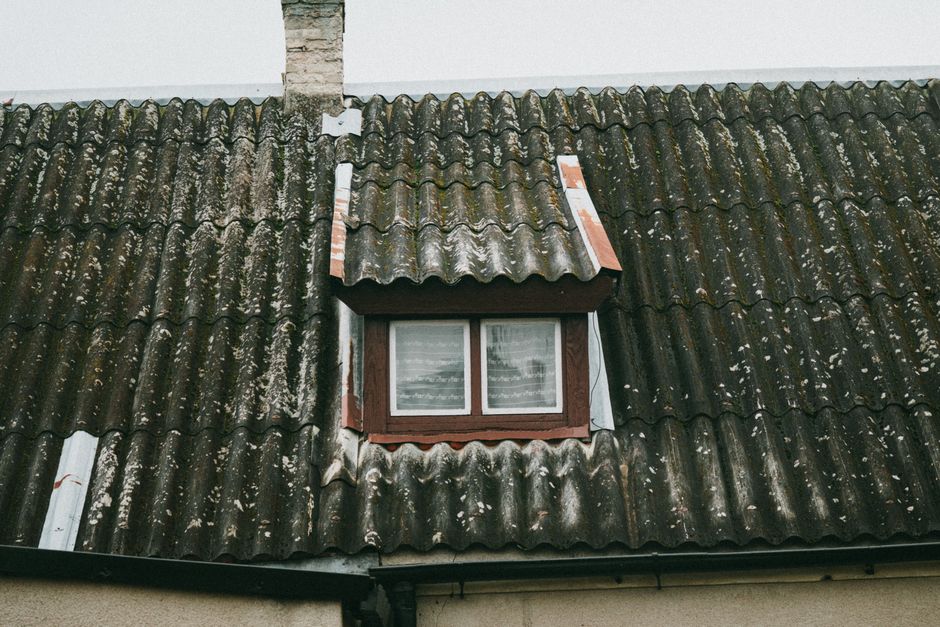
Asbestos exposure is preventable, and the most important step is knowing where asbestos is likely to be before you disturb it. In homes built or renovated before the 1980s, and in many workplaces, asbestos can be present in insulation, floor tiles, ceiling materials, pipe wrap, and roofing. The single best protection is to leave suspect materials alone and have them tested by a qualified professional before any repair, demolition, or remodeling.
What Is Asbestos and Why Is It Dangerous?
Asbestos is a group of naturally occurring minerals made of long, thin fibers. These fibers are strong, heat-resistant, and cheap, which is why they were used for decades in construction, shipbuilding, automotive parts, and manufacturing.
The danger comes from the fibers themselves. When asbestos-containing material is damaged, sanded, sawed, or torn, it releases microscopic fibers into the air. Those fibers can be inhaled deep into the lungs, where the body struggles to clear them. Over years, retained fibers can cause inflammation and scarring that lead to serious disease.
The diseases linked to asbestos are well established. They include asbestosis (scarring of lung tissue), lung cancer, and mesothelioma, a cancer of the lining around the lungs and abdomen. These conditions typically develop many years after exposure, often decades later. That long delay is one reason asbestos harm is easy to underestimate.
Not all asbestos materials carry the same risk. Material in good condition that is not crumbling or disturbed generally does not release fibers. The risk rises sharply when material is friable, meaning it can be easily crumbled or reduced to powder by hand.
Where Is Asbestos Commonly Found at Home?
Homes built or renovated before the 1980s are the most likely to contain asbestos. In some cases, materials made with asbestos were installed into the 1990s, so older age is a guide, not a guarantee.
Common places asbestos may hide in a home include:
- Insulation around pipes, boilers, and furnaces
- Attic and wall insulation, especially vermiculite products
- Vinyl floor tiles and the adhesive underneath them
- Ceiling tiles and textured “popcorn” ceiling coatings
- Roofing shingles and siding
- Joint compound and patching materials in drywall
- Older appliance and electrical panel insulation
- Heat-resistant mats, gaskets, and some older textiles
You cannot confirm asbestos by looking at a material. It has no distinctive color or texture. The only reliable way to know is laboratory testing of a sample, which should be collected by a trained professional.
How Do You Handle Suspected Asbestos in the Home?
Leave it alone if it is in good condition. Undisturbed asbestos material that is not damaged generally poses little risk, and the safest option in many cases is to monitor it and avoid touching it.
When material is damaged, crumbling, or you plan to renovate, the approach changes. Do not sweep, vacuum, sand, or break up suspect material yourself. Those actions are exactly what release fibers into the air. Ordinary shop vacuums and household cleaning do not safely contain asbestos fibers.
Hire a qualified asbestos inspector to assess the material and test samples. If removal is needed, use a licensed asbestos abatement contractor. Proper removal involves containment, protective equipment, and careful disposal according to local regulations.
In some cases, encapsulation (sealing the material so fibers cannot escape) is an option instead of removal. Whether removal or encapsulation is appropriate depends on the material and its condition, and a qualified professional should advise on this.
A detail many homeowners miss: small renovation projects can be the riskiest. Drilling a single hole into a popcorn ceiling or pulling up old floor tiles can release fibers in a confined space. The scale of the job does not determine the hazard — the material does.
Where Is Asbestos Found in Workplaces?
Workplace exposure remains a real concern, especially in certain trades and industries. Historically, the highest exposures occurred in mining, shipbuilding, construction, and manufacturing of asbestos products.
Today, workers who may encounter asbestos include:
- Construction and demolition workers
- Plumbers, electricians, and HVAC technicians
- Roofers and insulation installers
- Automotive mechanics working on older brakes and clutches
- Firefighters and emergency responders
- Workers in older buildings during renovation or maintenance
In the United States, workplace asbestos exposure is regulated. Employers are generally required to identify asbestos hazards, limit exposure, provide protective equipment, and train workers. If you are unsure whether your workplace contains asbestos, you have a reasonable basis to ask your employer about hazard assessments and safety procedures.
Workers should not assume a building is safe simply because it is in use. Maintenance and repair work in older structures is a common route to unexpected exposure.
What Protective Steps Reduce Exposure Risk?
Prevention comes down to avoiding disturbance and using proper protection when exposure is possible. The right steps depend on whether you are a homeowner or a worker.
For homeowners and renters:
- Do not disturb, sand, cut, or drill into suspect materials
- Have materials tested before any renovation or repair
- Use licensed professionals for removal and abatement
- Keep an eye on materials for signs of damage or crumbling
For workers:
- Follow your employer’s asbestos safety plan and training
- Use the protective equipment provided, including respirators where required
- Do not eat, drink, or smoke in areas where asbestos may be present
- Change out of work clothes before going home to avoid carrying fibers to family
- Report damaged materials or unsafe conditions to a supervisor
Bringing fibers home on clothing, shoes, or hair is a recognized exposure pathway for family members of workers. This is sometimes called take-home exposure, and it is a genuine concern in higher-exposure trades.
What Should You Do If You Think You Were Exposed?
One exposure does not automatically mean disease, but it is worth taking seriously. The health effects of asbestos usually appear many years after exposure, so there is often no immediate sign.
If you believe you had significant exposure, tell your doctor. Mention the type of material, how much you may have been exposed to, and how long ago. Your doctor can help assess your risk and decide whether monitoring is appropriate.
Be aware that there is no routine screening test specifically recommended for everyone with past asbestos exposure, and guidance on monitoring varies. Your doctor can advise based on your individual history. Symptoms to report promptly include persistent shortness of breath, a lasting cough, chest pain, or unexplained fatigue — though these can have many causes and are not specific to asbestos.
For people with known high-level occupational exposure, some clinicians recommend periodic lung evaluation. This is a matter for individual medical advice rather than a universal rule.
What Are Common Myths About Asbestos?
Several myths lead people to take unnecessary risks. One is that asbestos is only a problem in old factories or commercial buildings. In fact, many homes built before the 1980s contain asbestos materials.
Another myth is that a small amount of disturbance is harmless. Fiber release depends on the material and how it is handled, not just the size of the job.
A third myth is that a visual inspection can rule out asbestos. It cannot. Only laboratory testing confirms whether a material contains asbestos.
Finally, some people believe that if material looks intact, it is always safe to work on. Intact material is generally lower risk when left alone, but cutting, drilling, or sanding it changes that. The safe approach is to treat suspect materials as potentially hazardous until testing says otherwise.
Frequently Asked Questions
How can I tell if something in my home contains asbestos?
You cannot tell by looking, because asbestos has no distinctive appearance. The only reliable method is laboratory testing of a sample collected by a trained professional.
Is it safe to remove asbestos myself?
No, do-it-yourself removal is not considered safe because disturbing the material can release fibers into the air. Removal should be done by a licensed asbestos abatement contractor.
Can one-time asbestos exposure cause disease?
Disease risk generally rises with the amount and duration of exposure, and a single brief exposure is considered lower risk than repeated occupational exposure. However, any exposure should be discussed with a doctor, since health effects can appear decades later.
What should I do if I find damaged asbestos in my home?
Do not touch, sweep, or vacuum it, and keep people away from the area. Contact a qualified asbestos professional to assess the material and advise on safe handling or removal.
