
Applying tretinoin correctly comes down to four things: start with a pea-sized amount for your whole face, apply it to dry skin at night, avoid the eyes, lips, and creases, and use sunscreen every morning without exception. That is the short version. The longer version matters because most tretinoin problems — the peeling, the redness, the burning, the quitting — come from application mistakes, not from the drug itself.
Tretinoin is a prescription retinoid. It is not the same as the retinol sold over the counter, and it does not work the way most people expect. It usually makes skin worse before it makes it better. Knowing how to apply it is what separates people who get through the adjustment period from people who give up in week three.
What Is Tretinoin and How Does It Work?
Tretinoin is a vitamin A derivative that changes how skin cells behave. It speeds up the turnover of cells in the top layer of skin, which helps unclog pores and smooth texture. It also affects collagen production deeper in the skin over time.
The drug is approved by the FDA for acne. It is also widely prescribed off-label for photoaging — the fine lines, uneven tone, and rough texture that come from sun exposure over the years. That second use has real evidence behind it, though it is not the approved indication.
One thing worth understanding early: tretinoin is a long game. Changes to acne can take several weeks to appear. Changes to fine lines and texture take months, not days. Anyone expecting overnight results will be disappointed and will probably stop too soon.
How To Apply Tretinoin Step By Step
The order of steps matters less than the amount and the timing. Here is the sequence most dermatologists describe.
- Wash your face with a gentle, non-medicated cleanser. Skip scrubs, brushes, and anything with exfoliating acids.
- Wait until skin is completely dry. This is the step most people rush. Damp skin absorbs more tretinoin and irritates more. Waiting 15 to 20 minutes after washing is a common recommendation.
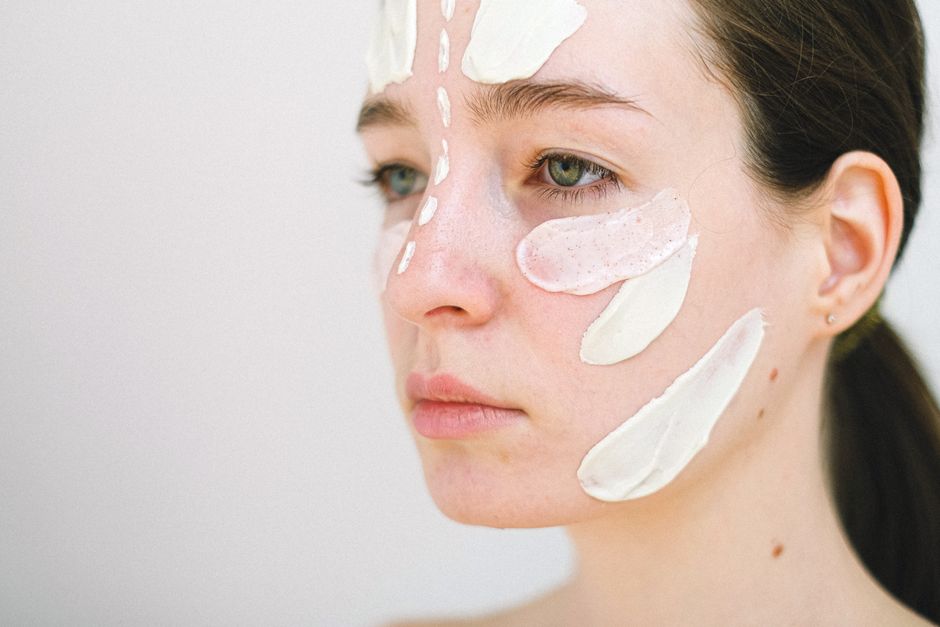
- Use a pea-sized amount for the entire face. Not a pea per cheek. One pea total. More product does not mean faster results — it means more irritation.
- Dot it across the face — forehead, each cheek, chin, and nose — then spread it thinly. Avoid the eyelids, the corners of the nose, the corners of the mouth, and the jaw creases.
- Apply moisturizer afterward if your skin is dry or sensitive. Some clinicians suggest moisturizer first, then tretinoin, to buffer irritation.
- Use it at night. Tretinoin breaks down in sunlight and makes skin more sun-sensitive.
Wash your hands after applying. Tretinoin left on the fingers can end up on the eyelids or in the corner of the mouth, and those areas react badly.
How Often Should You Use Tretinoin When Starting?
Start slower than you think you need to. Two or three nights a week for the first few weeks is a common starting point. Some clinicians suggest once a week for very sensitive skin.
If your skin tolerates that, add a night. Then another. Build toward nightly use over several weeks or months. There is no prize for getting there fast, and pushing too quickly is the single most common reason people quit.
If your skin stings, burns, or peels heavily, stop for a few nights. Let it settle. Then restart at a lower frequency than before. This is not failure — it is how the drug is meant to be adjusted. Your prescriber can also lower the strength or switch to a gentler formulation.





Why Does Tretinoin Make Skin Worse First?
The first few weeks are often the hardest. Skin may peel, flake, redden, sting, or break out more than before. This is sometimes called the purge.
The purge happens because tretinoin speeds up cell turnover and brings existing clogged pores to the surface faster. It looks like a breakout, but it is a clearing-out process. It usually settles over several weeks, though timing varies a lot between people.
Not everyone purges. Not everyone peels. Some people sail through with mild flaking. There is no reliable way to predict which group you will fall into.
If irritation continues for months rather than weeks, or if it is severe, that is a sign to check in with your prescriber rather than push through.
What Should You Avoid While Using Tretinoin?
Several common products make tretinoin harder to tolerate.
- Other exfoliants. Glycolic acid, salicylic acid, lactic acid, and physical scrubs all add irritation on top of tretinoin.
- Benzoyl peroxide at the same time. Some formulations can deactivate each other. Ask your prescriber how to sequence them if you use both.
- Alcohol-based toners and astringents. These strip the skin barrier that tretinoin is already stressing.
- Waxing, threading, and chemical depilatories on treated areas. Skin is more fragile and can lift or tear.
- Laser treatments and chemical peels without telling the provider you use tretinoin. Many will ask you to stop it for a period before the procedure.
Sunscreen is not optional. Tretinoin makes skin more sensitive to ultraviolet light, and unprotected sun exposure undoes the very improvements you are trying to get. A broad-spectrum sunscreen with SPF 30 or higher, applied every morning, is standard advice.
Does Tretinoin Work for Acne and Aging?
For acne, the evidence is strong. Tretinoin has been used and studied for decades, and it is considered a first-line topical treatment for certain types of acne. It works on comedones — the clogged pores that turn into blackheads and whiteheads — as well as on inflammation.
For photoaging, the evidence is also solid, though the effect is gradual. Studies have found improvements in fine wrinkles, skin texture, and uneven pigmentation with regular use over months. The results are modest, not dramatic, and they fade if you stop.
What tretinoin does not do is replace sunscreen, fill deep wrinkles, or work overnight. It also does not work for everyone. Some people see clear improvement; others see less. Response varies.
How Long Until You See Results?
Acne improvement typically takes several weeks to a few months. Photoaging improvement usually takes several months, and continues to build with ongoing use.
This timeline is why consistency matters more than intensity. Applying a large amount twice and then quitting does nothing. Applying a pea-sized amount a few nights a week for months does.
It is also worth knowing that tretinoin is not a cure. If you stop using it, skin returns to its previous state over time. That is true for both acne and photoaging.
What About Retinol vs Tretinoin?
They are related but not the same. Tretinoin is the active form of vitamin A that skin can use directly. Retinol, sold over the counter, has to be converted by the skin into tretinoin before it does anything.
That conversion is inefficient, which is why retinol is generally gentler and generally less potent. It is a reasonable option for people who cannot tolerate prescription tretinoin or cannot access a prescriber. It is not a direct substitute.
If you are choosing between them, the honest framing is this: tretinoin is stronger and better studied, but it comes with more irritation and requires a prescription. Retinol is milder and easier to get, but the evidence for its anti-aging effects is thinner.
Frequently Asked Questions
How much tretinoin should I use on my face?
A pea-sized amount is enough for the entire face. Using more does not speed up results and increases the risk of irritation.
Can I apply tretinoin every night?
Most people cannot tolerate nightly use right away and need to build up over weeks or months. Starting two or three nights a week is a common approach.
Should I apply tretinoin before or after moisturizer?
Either can work, but applying moisturizer first can reduce irritation for sensitive skin. Ask your prescriber which order suits your skin.
What happens if I stop using tretinoin?
Skin gradually returns to its previous state over time. Tretinoin manages acne and photoaging while you use it but does not cure either condition.
