
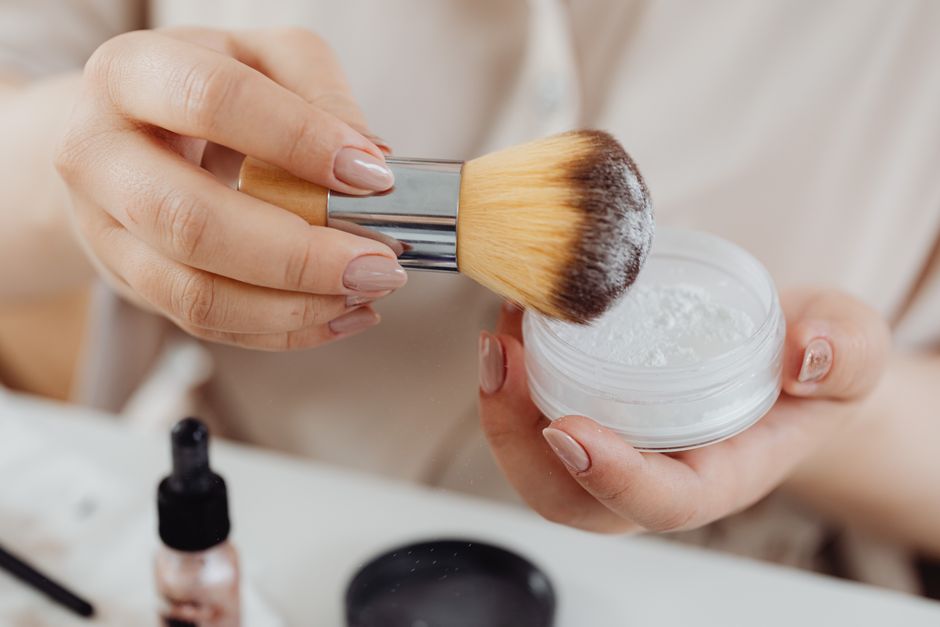
Nystatin powder is a prescription antifungal medicine used to treat yeast infections of the skin. You apply it by cleaning the affected area, drying it completely, and then dusting a thin layer of the powder directly onto the rash once or twice daily. The goal is to cover the entire red area, including a small margin of healthy skin around the edges, and to continue using it for a few days after the rash clears to prevent the infection from returning.
What Is Nystatin Powder and How Does It Work?
Nystatin is an antifungal medication that has been used for decades. It is not absorbed through the skin in any meaningful amount, which makes it a very safe topical option. It works by binding to a component called ergosterol in the cell membranes of yeast and fungal cells. This binding creates holes in the membrane, causing the cell contents to leak out and the fungus to die.
It is important to understand that nystatin only targets fungi. It does not work on bacterial infections. If your rash is caused by bacteria, nystatin will not help. A doctor can usually tell the difference by looking at the rash, but sometimes a skin culture is needed to confirm the cause.
The powder formulation is often preferred over creams for areas that stay moist, such as skin folds. The powder helps absorb excess moisture, which reduces friction and makes the environment less hospitable for yeast to grow.
How To Apply Nystatin Powder For Yeast Infection
Proper application is the most important step for successful treatment. Start by washing the infected area with a mild, fragrance-free soap. Rinse thoroughly and pat the skin dry with a clean towel. Do not rub, as this can irritate the skin further.
Once the area is completely dry, shake a small amount of powder into your hand or directly onto the rash. A light dusting is all you need. The powder should cover the entire red area and extend about half an inch beyond the visible rash. Rub it in gently if the area is not too tender, or simply leave it on the surface.
Most doctors recommend applying nystatin powder two times a day, in the morning and at night. However, always follow the instructions on your prescription label. If your doctor gives you different directions, their advice takes priority over general guidance.
Wash your hands thoroughly after applying the powder. This prevents the medication from spreading to your eyes or mouth and reduces the risk of spreading the infection to other parts of your body or to other people.
Where Should You Apply Nystatin Powder?
Nystatin powder is most commonly prescribed for yeast infections in skin folds. These include the armpits, under the breasts, the groin area, and between the buttocks. Yeast thrives in warm, dark, moist environments, so these folds are prime locations for overgrowth.
It can also be used for jock itch and certain types of diaper rash in infants. When applying to the groin area, be careful not to get the powder into the vagina or the opening of the penis. The powder is not designed for internal use.
Do not apply nystatin powder to broken skin or open wounds unless your doctor specifically tells you to. The powder is meant for intact skin surfaces. If the skin is weeping or severely cracked, a cream formulation may be more appropriate until the skin heals.
Keep the powder away from your eyes, nose, and mouth. If you accidentally get it in your eyes, rinse thoroughly with cool water and contact your doctor if irritation persists.





How Long Does It Take To Work?
You should start to see improvement within a few days of starting treatment. The itching and redness typically begin to fade after two to three days of consistent use. However, the infection is not gone just because symptoms improve.
It is essential to continue using the powder for the full duration prescribed by your doctor. This is usually one to two weeks. Even if the rash looks completely clear, the yeast may still be present in low numbers. Stopping early can allow the infection to rebound quickly.
If you see no improvement after one week of regular use, contact your doctor. This may mean the infection is resistant to nystatin, or it may not be a fungal infection at all. Some skin conditions, like eczema or psoriasis, can look similar to a yeast infection but require completely different treatment.
Common Mistakes To Avoid
One of the most common mistakes people make is using too little powder. A barely visible dusting may not deliver enough medication to kill the yeast effectively. Use enough to visibly coat the rash, but not so much that it cakes into clumps.
Another mistake is stopping treatment as soon as the itching stops. Itching is the body’s inflammatory response to the yeast. The yeast can still be present even when the itch has subsided. Always complete the full course of treatment.
Applying the powder to damp skin is also a problem. The powder needs to adhere to the skin to work effectively. If the skin is wet, the powder will turn into a paste and may not spread evenly. It can also trap moisture against the skin, which makes the environment worse.
Finally, do not mix nystatin powder with other creams or lotions unless your doctor recommends it. Some products can inactivate nystatin or change how well it spreads. If you need a moisturizer, apply it at a different time of day than the nystatin.
Are There Any Side Effects?
Nystatin powder is generally very well tolerated. Side effects are uncommon because the medication is not absorbed through the skin. When side effects do occur, they are usually mild and limited to the application site.
Some people may experience mild skin irritation, redness, or a burning sensation after applying the powder. This is usually temporary and resolves as the skin heals. If you experience severe burning, blistering, or swelling, stop using the powder and contact your doctor immediately.
An allergic reaction to nystatin is rare but possible. Signs of an allergic reaction include hives, difficulty breathing, swelling of the face or throat, and severe dizziness. These symptoms require immediate medical attention.
Nystatin is considered safe for use in pregnancy and while breastfeeding when applied to the skin. However, always inform your doctor if you are pregnant or nursing before starting any new medication.
When To See A Doctor
You should see a doctor before starting nystatin powder if you are not certain the rash is a yeast infection. Many skin conditions look similar, and using the wrong treatment can delay proper care and make the problem worse.
See a doctor promptly if you have a weakened immune system, diabetes, or a history of frequent or severe infections. These conditions can make yeast infections harder to treat and may require oral antifungal medications in addition to topical treatment.
If a yeast infection keeps coming back after treatment, this is a sign that something else may be going on. Recurrent infections can be a sign of uncontrolled blood sugar in people with diabetes or an underlying immune problem. Your doctor can help identify the root cause.
Frequently Asked Questions
Can I use nystatin powder on my face?
Yes, but only if a doctor has diagnosed a yeast infection on the face and prescribed it for that area. Avoid getting the powder near your eyes, nostrils, or mouth.
Should I use nystatin powder or cream?
Powder is better for moist skin folds because it absorbs sweat and reduces friction. Cream is better for dry, cracked, or scaly areas where the skin needs more moisture.
Can I use nystatin powder with other creams?
Do not mix it with other products unless your doctor says it is safe. Applying other creams at a different time of day is usually acceptable, but confirm with your doctor first.
What happens if I miss a dose?
Apply the missed dose as soon as you remember. If it is almost time for your next dose, skip the missed one and continue on your regular schedule. Do not apply a double dose to make up for the missed one.
