
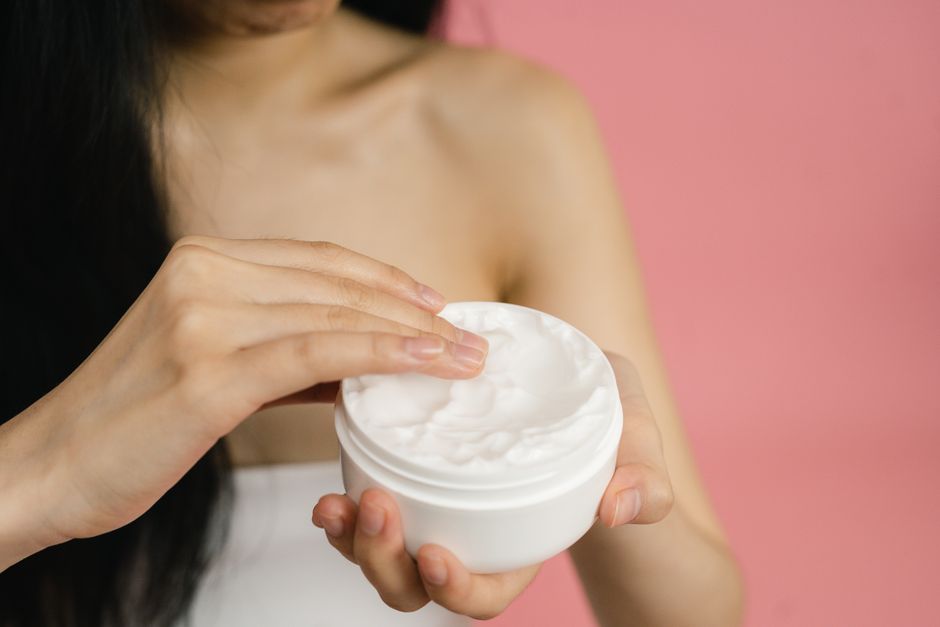
Perineal tears happen during vaginal delivery when the tissue between the vagina and anus stretches and tears. Doctors sometimes prescribe estrogen cream to help this tissue heal, especially in women who are menopausal or have low estrogen levels. To apply estrogen cream for a perineal tear, wash your hands first, squeeze a small amount onto a clean fingertip, and gently spread it over the tear and surrounding tissue as directed by your doctor. Apply it at the same time each day, usually in the evening, and always follow the exact amount your clinician prescribed rather than guessing.
Why Is Estrogen Cream Prescribed for a Perineal Tear?
Estrogen keeps vaginal and perineal tissue thick, elastic, and well-supplied with blood. When estrogen levels drop — after menopause, while breastfeeding, or after certain medical treatments — that tissue becomes thinner, drier, and slower to heal.
For women with low estrogen, a perineal tear may heal more slowly or form scar tissue that feels tight or painful. Estrogen cream applied directly to the area can improve blood flow and tissue quality. This helps the wound close properly and may reduce discomfort during healing.
Estrogen cream is not a standard prescription for every woman with a perineal tear. It is typically reserved for women who have signs of vaginal atrophy or who are not producing enough estrogen naturally. Your doctor will decide if it is appropriate for your situation.
How To Apply Estrogen Cream For A Perineal Tear
Start by washing your hands thoroughly with soap and water. You want a clean application to avoid introducing bacteria into a healing wound.
Squeeze the prescribed amount of cream onto your fingertip. Most clinicians recommend a pea-sized amount, but always follow the specific dose your doctor wrote on the prescription. Using more than prescribed will not speed healing and may increase side effects.
Gently spread the cream over the tear itself and the skin around it. You do not need to rub it in forcefully. A light, even layer is sufficient. The cream absorbs into the tissue over several minutes.
Wash your hands again after application. This prevents the cream from spreading to other parts of your body or to your eyes.
Apply the cream at the same time every day. Many clinicians suggest evening application because you are less likely to wash the area or urinate immediately afterward, which gives the cream more time to absorb.
If you are also using a perineal spray, sitz bath, or other topical treatment, ask your doctor about the order of application. In most cases, you should pat the area dry after bathing and apply the estrogen cream last so it is not washed away.
How Much Estrogen Cream Should You Use?
The dose depends on your specific prescription. There is no universal amount that fits everyone.
Low-dose vaginal estrogen products come in several forms including creams, tablets, and rings. When a cream is prescribed for perineal healing, doctors typically start with a small amount — often around 0.5 to 1 gram of cream — applied once daily for a limited time. After a few weeks, they may reduce the frequency to two or three times per week.
Your prescription label will state the exact amount in grams or inches of cream to use. If the label is unclear, call your pharmacy or doctor’s office. Never estimate a dose for prescription medication.
Estrogen cream for perineal tears is usually used for a short period — often two to four weeks — not indefinitely. Your doctor should schedule a follow-up to check healing and decide whether to continue, reduce, or stop the treatment.





Possible Side Effects and Risks
Low-dose vaginal estrogen is generally well tolerated, but side effects can occur. Some women experience mild vaginal irritation, burning, or itching after application. This often settles within a few days as the tissue adjusts.
Because the cream is applied locally, only small amounts enter the bloodstream. Still, some estrogen is absorbed systemically. Women with a history of estrogen-sensitive cancers, blood clots, or liver disease should discuss these risks with their doctor before using any estrogen product.
Vaginal spotting or breast tenderness can occur in some women, especially in the first weeks of use. If you experience unusual bleeding, chest pain, leg swelling, or severe headaches, contact your doctor promptly.
Do not use estrogen cream on an infected tear. Signs of infection include increasing pain, foul-smelling discharge, redness spreading beyond the wound, or fever. If you suspect an infection, see your doctor before applying any prescribed cream.
What the Evidence Shows About Estrogen Cream and Perineal Healing
Clinical research on estrogen cream specifically for perineal tears is limited. Most of what doctors know comes from studies on vaginal atrophy and from clinical experience with postpartum healing.
Some studies suggest that estrogen therapy improves wound healing in postmenopausal women by increasing collagen production and promoting new blood vessel growth in the skin. These effects likely apply to perineal tissue as well, but large randomized trials specifically measuring estrogen cream for perineal tears are lacking.
Some clinicians prescribe estrogen cream after perineal repair surgery, particularly in older women or those with thin tissue. Others use it for women who develop granulation tissue — the red, bumpy tissue that can form when a wound heals slowly or irregularly.
If your doctor recommends estrogen cream, it is based on clinical judgment and your specific tissue condition rather than on a large body of trial evidence. That does not mean it is ineffective. It means the evidence base is thinner than for many other treatments. Ask your doctor why they are recommending it for you and what outcome they expect.
Alternatives to Estrogen Cream for Perineal Tear Healing
For women who cannot use estrogen or who prefer not to, other approaches can support perineal healing.
Sitz baths — sitting in a few inches of warm water for 10 to 15 minutes — can keep the area clean and improve local blood flow. Some clinicians recommend doing this two to three times daily in the first week after delivery.
Perineal sprays containing witch hazel or lidocaine can numb the area and reduce discomfort. These do not speed healing directly but can make the recovery period more comfortable.
Keeping the area clean and dry is essential. Change pads frequently and pat the area dry after urination rather than wiping vigorously. Some doctors recommend using a peri bottle filled with warm water to rinse after using the toilet.
Pelvic floor physiotherapy can help if the tear involves deeper muscle layers. A physiotherapist can guide you through exercises that strengthen the pelvic floor without putting excess strain on healing tissue.
Pain relief is also part of healing. Acetaminophen and ibuprofen are commonly used after perineal tears. If you are breastfeeding, both are generally considered compatible, but check with your doctor about the right dose and timing.
When To Call Your Doctor
Contact your doctor if the tear shows no improvement after one week of using the cream as prescribed. Some redness and swelling are normal in the first few days, but steady worsening is not.
Seek medical advice if you develop a fever, if the wound opens, or if you notice discharge that is yellow, green, or foul-smelling. These can be signs of infection that requires antibiotic treatment rather than continued estrogen therapy.
Severe pain that is not controlled by over-the-counter pain relievers also warrants a call. Difficulty urinating or having a bowel movement should be reported as well.
If you are using estrogen cream and become pregnant again, stop the cream and inform your doctor. Estrogen use during pregnancy is not recommended.
Frequently Asked Questions
How long does it take for an estrogen cream to heal a perineal tear?
Most women notice improved tissue quality within one to two weeks of daily application. Complete healing of the tear depends on its size and depth, and your doctor will assess progress at your follow-up visit.
Can I apply estrogen cream while breastfeeding?
Low-dose vaginal estrogen is generally considered safe during breastfeeding, but you should confirm with your doctor. Small amounts of estrogen can pass into breast milk, though the dose from vaginal cream is typically minimal.
Do I need to wash off estrogen cream before urinating?
No, you do not need to wash it off before urinating. Urine can wash away some of the cream, so applying it after using the toilet and patting the area dry is the better approach.
Can I use estrogen cream on a tear that is already infected?
No, do not apply estrogen cream to an infected tear. Treat the infection first with antibiotics as prescribed by your doctor, then discuss whether estrogen cream is appropriate once the infection clears.
