
Aging gracefully is not about looking young. It is about keeping your body and mind working well for as long as possible. The research on this is clear: daily habits like movement, sleep, social connection, and a mostly plant-based diet do more for healthy aging than any supplement or product on the market.
That answer sounds simple. Living it is harder, because the anti-aging industry sells certainty it does not have. This guide separates what decades of research actually supports from what is marketing noise.
What Does Healthy Aging Actually Mean?
Healthy aging means preserving function, not just avoiding disease. The World Health Organization defines healthy aging as developing and maintaining the functional ability that lets people do what they value in later life. That definition matters because it shifts the focus from wrinkles and lab numbers to how well you move, think, and connect with others.
Aging itself is a set of biological processes. Cells accumulate damage over time. Muscles and bone density decline gradually after about age 30. Arteries stiffen. The immune system becomes less efficient. None of this is optional, but the rate varies enormously between people.
Researchers often describe two ideas: life span (how long you live) and health span (how long you stay healthy and independent). Most people say they want the second one. The habits that support health span are well studied. The habits that promise to reverse aging are mostly not.
How To Age Gracefully Through Daily Movement
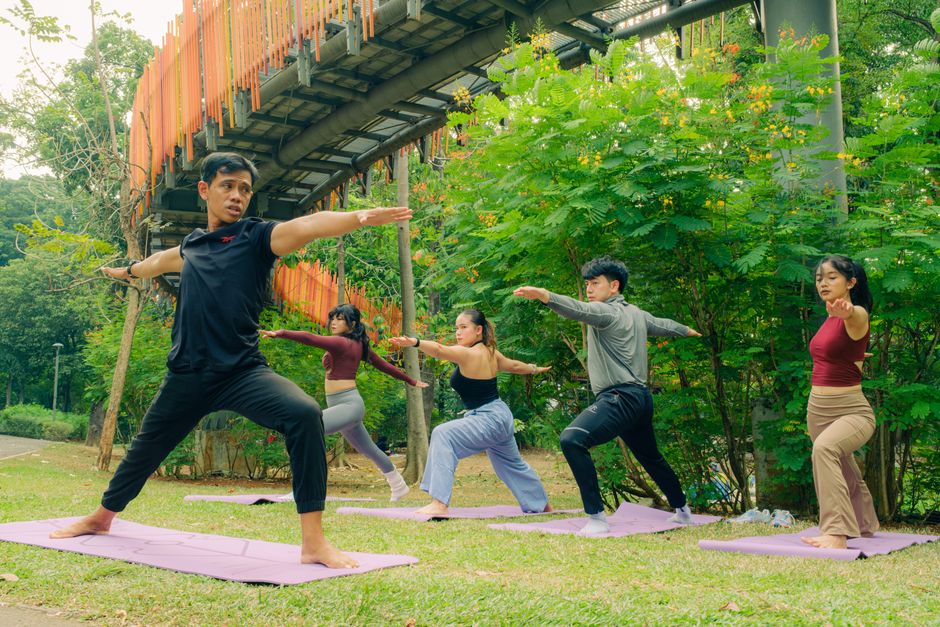
Exercise is the single most evidence-supported intervention for healthy aging. It does not stop aging, but it slows the decline in muscle, bone, balance, and cardiovascular function in ways that are consistently shown across large studies.
The key insight: aging bodies lose muscle mass and strength faster than most people realize. This process, called sarcopenia, begins in midlife and accelerates with inactivity. Loss of muscle is not cosmetic. It directly affects balance, falls, and independence. Falls are a leading cause of injury in older adults.
Current public health guidance for adults generally recommends at least 150 minutes of moderate aerobic activity per week, plus muscle-strengthening activities on two or more days per week. Balance training matters too, especially after age 65. These are general population recommendations; individual needs vary, and anyone with health conditions should discuss exercise with a clinician.
What counts as “enough” is often misunderstood. Walking alone is good for the heart but does little for muscle and bone. Strength training — using body weight, bands, or weights — is the part most people skip. It is also the part most closely tied to staying independent.
Does Diet Really Change How You Age?
Diet influences aging, though the evidence is strongest for patterns rather than single foods. Eating patterns rich in vegetables, fruits, legumes, whole grains, nuts, and fish are consistently linked in observational research to lower rates of heart disease, type 2 diabetes, and cognitive decline.
Observational studies cannot prove cause and effect. People who eat well also tend to exercise, sleep better, and smoke less. Still, the consistency of the findings across many populations gives them weight.
Two practical points matter more than any superfood:
- Protein intake becomes more important with age because older adults use protein less efficiently to build muscle. Some research suggests older adults may benefit from somewhat more protein than the standard recommendation, though exact targets are debated and should be discussed with a clinician.
- Calcium and vitamin D support bone health, but routine high-dose supplementation is not universally recommended. Guidance on screening and supplementation varies by country and by individual risk.
Be skeptical of any product marketed as an anti-aging supplement. No supplement has been shown in large human trials to slow aging in a meaningful way. Some, like high-dose antioxidants, have shown harm in trials.
Why Sleep and Stress Matter More Than You Think
Sleep quality declines with age, and that decline is not harmless. Poor sleep is linked to impaired memory, weakened immune function, and higher risk of cardiovascular problems. The relationship runs both ways — poor health disrupts sleep, and poor sleep worsens health.
Older adults often need the same amount of sleep as younger adults — generally seven to nine hours — but spend more time in lighter sleep stages. Waking during the night becomes more common. This is normal to a degree. Persistent insomnia is not, and it is treatable.
Chronic stress affects aging through measurable pathways. Long-term stress is associated with higher blood pressure, poorer immune response, and faster cellular aging markers. The evidence for stress-reduction techniques like mindfulness and structured relaxation is mixed but generally favorable for reducing anxiety and improving quality of life.
How Do Social Connection and Purpose Affect Aging?
Social isolation is a genuine health risk. Research consistently links loneliness and social isolation in older adults to higher rates of depression, cognitive decline, and earlier death. Some public health bodies now treat social disconnection as a serious health concern in its own right.
This is not just about feeling good. Social engagement is associated with better cognitive function and lower rates of dementia in observational studies. The mechanisms are not fully understood, and the evidence is observational rather than from controlled trials. But the pattern is strong and consistent.
Having a sense of purpose — through work, volunteering, caregiving, hobbies, or community — is similarly associated with better health outcomes in later life. Again, these are associations, not proof of cause. Still, the direction is consistent enough that most researchers consider connection and purpose meaningful factors in healthy aging.
What Can You Realistically Do About Aging?
You cannot stop aging. You can influence how it unfolds. The most reliable levers are unglamorous:
- Move regularly, including strength and balance work
- Eat mostly whole foods, with adequate protein
- Protect your sleep
- Stay socially connected
- Do not smoke, and limit alcohol
- Keep up with recommended screenings and preventive care
None of these is a cure. Each is supported by substantial evidence for reducing the risk of the conditions that most affect quality of life in later years.
One clarification worth making: “anti-aging” products, from creams to pills to expensive longevity clinics, are not held to the same standard of proof as medical treatments. Most have no large human trials behind them. Some are harmless. Some are not. The absence of evidence is not evidence of benefit.
Should You Take Supplements for Aging?
For most healthy adults, supplements are not necessary for healthy aging. A balanced diet supplies what the body needs, with some exceptions that depend on individual circumstances.
Vitamin D is the most commonly discussed exception. Deficiency is common in people with limited sun exposure, and supplementation may be appropriate for some. But routine high-dose supplementation without testing is not supported by strong evidence and can carry risks. Vitamin B12 matters for older adults, especially those with reduced stomach acid or on certain medications. These decisions are best made with a clinician who knows your situation.
Beyond these, the supplement market for aging is largely unregulated in terms of efficacy claims. Products marketed for “cellular renewal,” “telomere support,” or “longevity” have no established clinical evidence in humans. Some early-stage research exists, but it is not the same as proven benefit.
Frequently Asked Questions
What is the most important habit for aging well?
Regular physical activity, including strength training, has the strongest and most consistent evidence behind it. It supports muscle, bone, heart, and brain health simultaneously.
Can supplements slow aging?
No supplement has been shown in large human trials to meaningfully slow aging. Most anti-aging supplement claims are not supported by clinical evidence.
Is it too late to start healthy habits after 60?
No. Research shows that people who become more active or improve their diet in later life still gain health benefits, including better strength, balance, and cardiovascular function.
Does loneliness really affect physical health?
Yes. Social isolation and loneliness are consistently linked in research to higher rates of depression, cognitive decline, and earlier death in older adults.
