
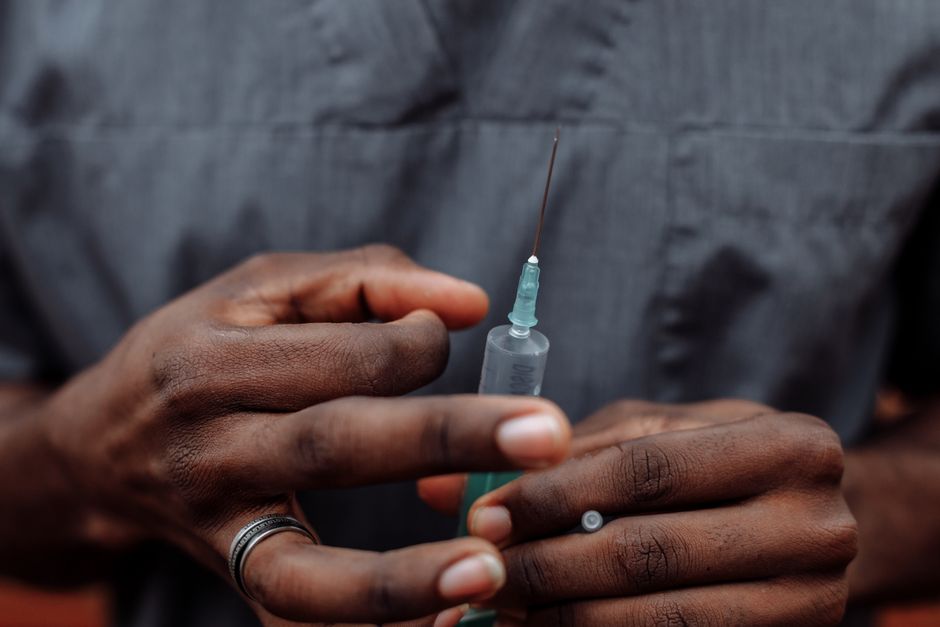
Lovenox (enoxaparin) is a blood thinner given as a shot under the skin. You can safely give it to yourself at home once a nurse or pharmacist has shown you how. The steps are: wash your hands, gather your supplies, choose and clean an injection site on your belly, remove the needle cap, pinch a fold of skin, push the needle straight in at a 90-degree angle, press the plunger slowly, pull the needle straight out, and press — do not rub — the spot. Most people inject into the fatty layer of the abdomen, rotating sites with each dose.
This guide walks through each step in detail, plus the safety points that matter most. It is general information, not a substitute for the instructions your own prescriber or pharmacist gives you. Follow their directions first.
What Is Lovenox and Why Is It Given as a Shot?
Lovenox is a low molecular weight heparin. It works by slowing one of the body’s natural clotting proteins, which reduces the chance of dangerous blood clots forming.
Doctors prescribe it for several reasons. These include preventing clots after some types of surgery, treating an existing deep vein clot or lung clot, and managing clots in certain heart conditions. It is also used during pregnancy when a blood thinner is needed, because unlike some other anticoagulants it does not cross the placenta to the same degree — though any use in pregnancy should be directed by your care team.
It comes as a prefilled syringe with a fixed dose. That design is deliberate. The dose is set, the needle is attached, and there is no measuring. This is one reason self-injection at home is practical for many people.
One detail that surprises people: the air bubble in the prefilled syringe is supposed to stay there. It helps push the full dose out of the needle. Do not squirt it out before injecting unless your instructions specifically say to.
How To Administer Lovenox Self Injection Steps
The sequence below reflects standard subcutaneous injection technique. Your own instructions may differ slightly, so check them against this.
Before you start
- Wash your hands well with soap and water.
- Gather your syringe, an alcohol wipe, and a sharps container.
- Check the syringe: the liquid should be clear and colorless to pale yellow. Do not use it if it looks cloudy, discolored, or contains particles.
- Check the expiration date.
Choosing and preparing the site
The usual site is the abdomen — the area at least about two inches away from your belly button. The fatty tissue there absorbs the medicine steadily. Avoid the area right around the navel itself, and avoid any skin that is bruised, scarred, red, or tender.
Clean the skin with an alcohol wipe and let it dry completely before injecting. Injecting into wet alcohol can sting.
If you are injecting into the abdomen, the standard advice is to avoid the same spot twice in a row. Move to a different spot each time, staying within the recommended area. Some people alternate sides of the belly.
Giving the injection
- Remove the needle cap by pulling it straight off. Do not twist it.
- Pinch a fold of skin between your thumb and forefinger. Hold it for the whole injection.
- Hold the syringe like a pencil. Push the needle straight in at a 90-degree angle, all the way.
- Press the plunger down slowly and steadily with your thumb. Keep pinching the skin.
- When the plunger is fully down, pull the needle straight out at the same angle it went in.
- Let go of the skin fold. Press a dry gauze pad or cotton ball on the spot for a few seconds. Do not rub.
Do not expel air bubbles before injecting and do not try to remove the bubble from the syringe, unless your instructions tell you otherwise.
After the injection
Put the used syringe directly into a sharps container without recapping it. Recapping is where most needle-stick injuries happen. If you do not have a sharps container, a sturdy plastic container with a screw-on lid, such as a laundry detergent bottle, is a common household option — check your local rules for disposal.
Mild bruising at the injection site is common. A small hard lump can also form and usually settles over time.
Which Injection Sites Should You Use and Avoid?
The abdomen is the most common site. Other areas with a layer of fatty tissue under the skin can also work, depending on your instructions — the outer thigh is sometimes used.
Avoid these areas:
- Right around the belly button
- Bruised, scarred, red, or irritated skin
- Muscle — this is a shot into fat, not muscle
- Any area you cannot see clearly
Rotating sites is not just about comfort. Repeated injections in the same spot can cause more bruising and hardness, which makes future injections harder.
What Should You Watch For After Injecting Lovenox?
Minor bleeding and bruising at the site are expected. More serious bleeding is the main risk of any blood thinner, and it is worth knowing the signs.
Seek medical help promptly if you notice:
- Bleeding that does not stop with pressure
- Blood in your urine or stool, or black tarry stools
- Coughing up blood
- Unusual or severe headache
- Dizziness, weakness, or fainting
- Unusual bruising or small purple spots on the skin
Low molecular weight heparin can also, rarely, lower platelet counts — a condition called heparin-induced thrombocytopenia. This is uncommon with Lovenox compared with unfractionated heparin, but it is a known risk. Your care team may check your platelet count, especially if you have been on it for a while. Tell them if you notice new bruising or bleeding that seems out of proportion.
Do not stop or change your dose on your own. Stopping a blood thinner early can raise the risk of a clot.
Common Mistakes and Practical Tips
Most problems with self-injection come down to a handful of avoidable errors.
- Rubbing the site. This increases bruising. Press, do not rub.
- Recapping the needle. This is the leading cause of needle-stick injuries. Skip it.
- Injecting into a bruise. Pick a fresh spot.
- Injecting at an angle. The needle should go straight in at 90 degrees.
- Rushing the plunger. Push slowly. It hurts less and delivers the dose cleanly.
If you forget a dose, ask your prescriber or pharmacist what to do. Do not simply double up, because timing matters with blood thinners.
Store syringes at room temperature, away from direct light, and out of reach of children. Check the label for any specific storage instructions.
When to Ask for Help With Self-Injection
Self-injection is not for everyone, and that is fine. Some people have trouble with the technique because of vision, hand strength, tremors, or anxiety about needles.
A nurse or pharmacist can usually walk you through it again, and in many cases a family member or caregiver can be taught to give the injection. If you are consistently unsure whether you are doing it correctly, say so. Getting it right matters more than doing it alone.
Frequently Asked Questions
Where do you inject Lovenox?
The usual site is the fatty layer of the abdomen, at least about two inches from the belly button, avoiding bruised or scarred skin. The outer thigh is sometimes used if your instructions allow it.
Do you pinch the skin when injecting Lovenox?
Yes. Pinch a fold of skin and hold it for the whole injection, then release after the needle is out. This helps ensure the medicine goes into fat rather than muscle.
Should you rub the injection site after Lovenox?
No. Press gently with a dry gauze pad for a few seconds and do not rub. Rubbing increases bruising.
What happens if you inject Lovenox into muscle by mistake?
It can cause more pain and bleeding at the site. Tell your prescriber or pharmacist if you think it happened, and ask whether you need to be checked.
