
Most people do not need a new diet to eat more protein. They need to trade a few everyday foods for higher-protein versions of the same thing. Swapping white toast for eggs on whole grain, regular yogurt for Greek yogurt, or a handful of crackers for a handful of nuts adds protein without changing how you shop or cook. The average adult needs about 0.8 grams of protein per kilogram of body weight per day, according to the National Academies, which works out to roughly 46 grams for a typical woman and 56 grams for a typical man. Small swaps repeated daily close that gap faster than any single protein-packed meal.
How To Add More Protein To Your Diet Easy Swaps?
The easiest swaps replace a low-protein food with a similar food that has more protein per serving, so you barely notice the change. You are not adding a second meal or forcing down a shake. You are upgrading what is already on your plate.
Here is the principle behind it. Protein keeps you full longer than fat or carbohydrate, and it provides the amino acids your body uses to build and repair tissue. Spreading protein across meals, rather than loading it all at dinner, is generally considered better for muscle maintenance, though the exact optimal distribution is still debated in the research.
A few swaps that work with almost no effort:
- Trade regular yogurt for plain Greek yogurt. A typical serving jumps from a few grams of protein to well over ten.
- Swap your morning cereal for eggs or oatmeal made with milk instead of water.
- Replace white rice or pasta with a smaller portion of the same plus beans or lentils.
- Use hummus instead of cream cheese on a bagel or sandwich.
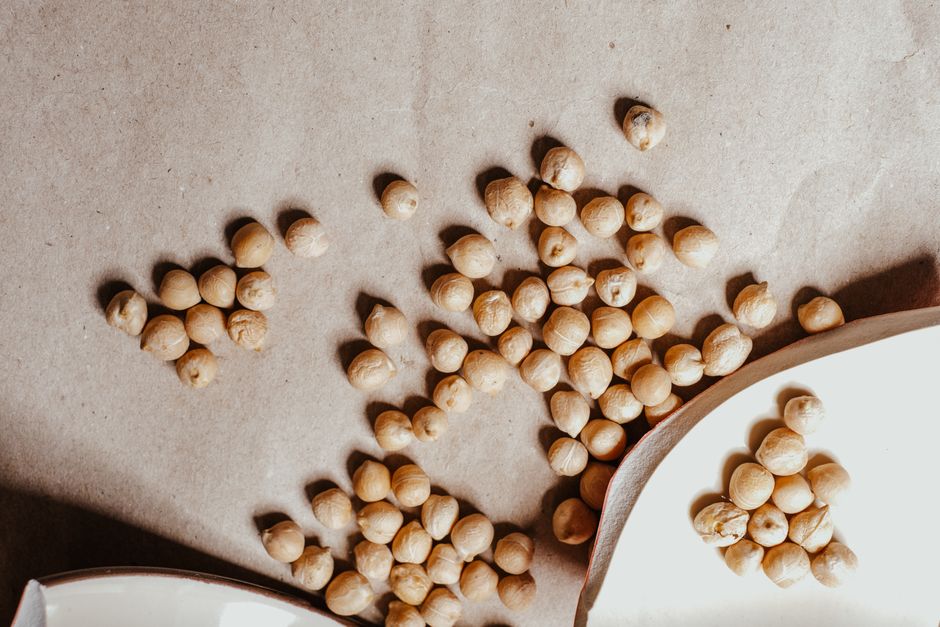
- Choose edamame or roasted chickpeas instead of chips for a snack.
- Add a spoonful of Greek yogurt or a scoop of cottage cheese to a smoothie instead of juice.
None of these require a recipe. They are substitutions, and that is why they stick.
Which Breakfast Swaps Add the Most Protein?
Breakfast is where most people lose the most protein, and it is the easiest meal to fix. A typical American breakfast of cereal, toast, or a pastry can land under 5 grams of protein. Rebuilding it around eggs, dairy, or legumes can push it past 20 grams without much thought.
Eggs are the obvious move. Two large eggs provide about 12 grams of protein, according to USDA data. If you usually eat one, eat two. If you usually skip breakfast, a hard-boiled egg takes seconds.
For people who do not eat eggs, oatmeal cooked with milk instead of water adds protein, and topping it with nuts or a spoon of peanut butter adds more. Greek yogurt with fruit and seeds is another strong option. Cottage cheese, which many people overlook, is high in protein and works on toast, in eggs, or on its own.
The point is not to eat a perfect breakfast. It is to stop starting the day with almost no protein and then trying to catch up later.
Can You Add Protein Without Eating More Meat?
Yes. Plant foods carry plenty of protein, and you do not need to combine them perfectly at every meal. That old idea about “complementary proteins” needing to be eaten together has been walked back. Your body maintains a pool of amino acids, so eating a variety of plant proteins across the day is enough for most people.
Strong plant sources include lentils, chickpeas, black beans, tofu, tempeh, edamame, and quinoa. A half cup of cooked lentils has roughly 9 grams of protein, and firm tofu has about 10 grams per half cup, based on USDA figures. Nuts and seeds add protein too, though they come packaged with fat, so portion size matters if calories are a concern.
One swap worth knowing: replace some of the meat in a dish with beans or lentils rather than removing it entirely. You keep the flavor, cut the cost, and still get protein from both sources.





What Are the Best Protein Swaps for Snacks?
Snacks are where protein quietly disappears. Chips, crackers, and fruit are fine, but they do little for hunger between meals. Swapping them for a protein-forward snack is one of the simplest changes you can make.
Good trades include:
- Roasted chickpeas or edamame instead of chips
- A handful of almonds or peanuts instead of crackers
- Greek yogurt instead of a granola bar
- Cottage cheese with fruit instead of a sweet snack
- Hummus with vegetables instead of dip with bread
- A hard-boiled egg instead of a piece of toast
You do not need to give up snacks you enjoy. You need one or two of them to carry protein so the gap between lunch and dinner does not leave you raiding the pantry.
How Much Protein Do You Actually Need?
The baseline recommendation is 0.8 grams per kilogram of body weight per day for most adults. For a 70-kilogram (154-pound) adult, that is about 56 grams a day. This is the amount needed to prevent deficiency, not necessarily the amount that is ideal.
People who are older, physically active, recovering from illness, or trying to preserve muscle may benefit from more. Protein needs tend to rise with age because the body becomes less efficient at using it to build muscle. Some research suggests older adults may do better with more protein per meal than the standard recommendation implies, though the exact target is still being studied.
People with kidney disease should talk to their doctor before increasing protein, because the kidneys handle protein waste and intake may need to be managed. For most healthy adults, higher protein intakes within reasonable ranges are not considered harmful, but “more” is not automatically “better.”
Do Protein Shakes and Powders Help?
They can, but they are not required, and they are often the most expensive way to add protein. A scoop of protein powder mixed into a smoothie or oatmeal is convenient and can help people who struggle to eat enough solid food. For most people, though, food does the job just as well.
The evidence does not show that protein powder is superior to protein from food for healthy adults. It is a tool, not a shortcut. If you already eat eggs, dairy, beans, or meat regularly, you probably do not need a powder to hit your target.
If you do use one, read the label for protein per serving rather than trusting the front of the package, and be aware that some powders carry added sugar or fillers. No clinical guidelines set a specific dose of protein powder for the general population, so treat it as a food, not a prescription.
What Should You Watch Out For?
More protein is not automatically better, and swapping everything at once tends to fail. A few honest cautions:
- Protein bars and shakes can be high in added sugar and calories. Check the label.
- Increasing protein without enough fiber can leave you constipated. Keep vegetables and whole grains in the mix.
- Very high protein intake from supplements, rather than food, has less long-term safety data.
- If you have kidney disease or another condition affecting protein metabolism, get medical guidance first.
The realistic approach is to make two or three swaps you will actually keep, not to overhaul your entire diet in a week. Consistency beats intensity here.
Frequently Asked Questions
What is the easiest way to add protein to breakfast?
Swap cereal or toast for eggs, Greek yogurt, or oatmeal made with milk. Two large eggs provide about 12 grams of protein, which is more than most cold breakfasts deliver.
How much protein do I need per day?
Most adults need about 0.8 grams per kilogram of body weight daily, which is roughly 46 grams for a typical woman and 56 grams for a typical man. Older or more active adults may benefit from more, though the ideal amount is still being studied.
Can I get enough protein without eating meat?
Yes. Beans, lentils, tofu, tempeh, edamame, and quinoa all provide protein, and you do not need to combine them perfectly at each meal. Eating a variety across the day is enough for most people.
Are protein shakes necessary to add protein?
No. Food sources work just as well for most healthy adults, and protein powder is simply a convenient option rather than a requirement. If you use one, check the label for protein per serving and added sugar.
