
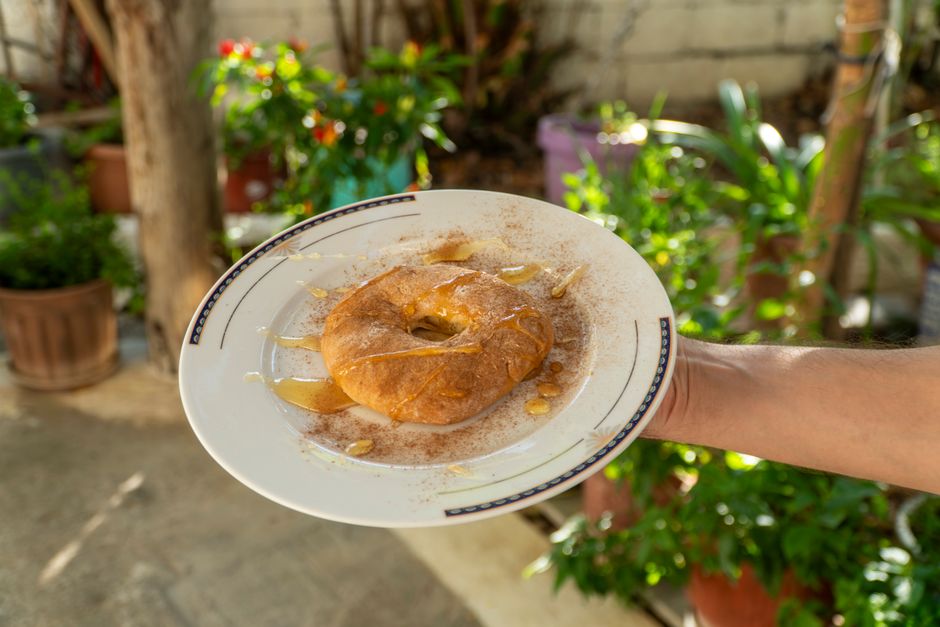
Cinnamon is one of the easiest spices to work into a daily routine because it fits into foods you already eat. Stir half a teaspoon into your morning oatmeal, coffee, or yogurt. You can also add it to smoothies, applesauce, or a bowl of warm cereal. The goal is small, consistent amounts rather than large doses.
That simplicity is exactly why cinnamon gets so much attention. It tastes good, it is cheap, and it is already sitting in most kitchen cabinets. But there is a real gap between the cinnamon in your spice rack and the concentrated cinnamon supplements sold online. Understanding that gap matters before you start adding it to everything.
How To Add Cinnamon To Your Diet Easy Daily Tips
Start with food, not pills. The most reliable way to get cinnamon into your day is to treat it like any other seasoning and let it ride along with meals you already enjoy.
- Sprinkle it on oatmeal, grits, or overnight oats before you eat.
- Stir a pinch into coffee grounds before brewing, or into the cup itself.
- Mix it into plain yogurt with a little fruit.
- Add it to a smoothie with banana, almond butter, or cocoa.
- Dust it over sliced apples, pears, or a baked sweet potato.
- Whisk it into pancake or waffle batter.
- Add it to chili, curry, or a rub for chicken and pork.
- Stir it into warm milk or a chai-style tea.
A common starting point is about a quarter to half a teaspoon per serving. That is a culinary amount, not a therapeutic dose. It adds flavor without changing the texture of most dishes. If you are new to cinnamon, start small and build up. Some people find a heavy hand with cinnamon overwhelms a dish quickly.
One practical note: cinnamon clumps in cold liquids. Stir it into something warm, or whisk it with a small amount of liquid first before adding it to a cold smoothie or yogurt.
What Is The Difference Between Ceylon And Cassia Cinnamon?
They are different plants, and they are not interchangeable in large amounts. Ceylon cinnamon, sometimes called “true cinnamon,” comes from Cinnamomum verum. Cassia comes from several related species, most commonly Cinnamomum cassia. Most cinnamon sold in US grocery stores is cassia.
The difference that matters most is a compound called coumarin. Cassia contains considerably more coumarin than Ceylon. Coumarin is naturally present in several plants and is not a contaminant, but high intakes over time have been linked to liver effects in sensitive people.
For occasional use in cooking, this is generally not a concern for most healthy adults. The picture changes when someone is taking large daily doses, especially in supplement form. That is where the type of cinnamon starts to matter a lot more than it does in a bowl of oatmeal.
You can often tell them apart by appearance. Ceylon cinnamon sticks are thinner, more brittle, and roll into tight, layered spirals that crumble easily. Cassia sticks are thicker, harder, and roll into a single tight curl. Ceylon is also lighter in color and has a more delicate, floral flavor. Cassia tastes stronger and sweeter, which is part of why it dominates the spice aisle.
How Much Cinnamon Is Considered Safe To Eat Daily?
There is no single official daily limit for cinnamon in food. Regulatory bodies have set tolerable intake levels for coumarin, the compound found in higher amounts in cassia, and those levels are the basis for most safety guidance.
The European Food Safety Authority has established a tolerable daily intake for coumarin. For context, that level is low enough that a person eating large amounts of cassia daily could exceed it. Typical culinary use, spread across normal meals, generally stays well below it for most adults.
Groups who may need to be more careful include:
- People with known liver conditions.
- People taking medications that affect the liver.
- Pregnant women, who are often advised to limit coumarin intake.
- Anyone taking concentrated cinnamon supplements rather than using the spice in food.
No clinical guidelines currently exist for cinnamon dosing in infants or young children. If you are considering cinnamon supplements for a child, that is a conversation for a pediatrician, not something to decide from a label.





Does Cinnamon Actually Lower Blood Sugar?
The evidence is mixed, and it is worth being honest about that. Some studies have reported modest improvements in fasting blood glucose in people with type 2 diabetes who took cinnamon. Other studies, including some larger and better-controlled ones, have found little to no effect.
The inconsistency is the story here. Results vary by cinnamon species, dose, duration, and the population studied. That makes it hard to draw a firm conclusion about how much cinnamon helps, or whether it helps at all in a meaningful way.
What is clear is that cinnamon is not a treatment for diabetes. It does not replace medication, monitoring, or dietary management. No major diabetes organization recommends cinnamon as a therapy. If you have diabetes and want to try adding cinnamon to your food, that is reasonable. Assuming it will move your blood sugar in a predictable way is not.
One thing worth flagging: cinnamon supplements are sometimes marketed with blood sugar claims that go well beyond what the research supports. A label claiming a specific glucose-lowering effect is not backed by consistent clinical evidence.
Can Cinnamon Interact With Medications?
Cassia cinnamon contains coumarin, and coumarin can affect how the body handles blood clotting. This is the interaction most worth knowing about.
People taking blood-thinning medications, including warfarin, should be cautious with large or concentrated amounts of cassia cinnamon. This is about concentrated doses, not a sprinkle on toast. If you take a blood thinner and are considering cinnamon supplements, talk to your doctor or pharmacist first.
Cinnamon may also interact with medications that are processed by the liver, though the clinical significance of this in normal food use is not well established. The honest position is that food-level cinnamon is unlikely to cause problems for most people, while high-dose supplements carry more uncertainty.
Are Cinnamon Supplements Better Than The Spice?
No, and in some ways they are riskier. Supplements deliver a much larger dose of cinnamon and coumarin than food does. They are also less regulated than medications, which means what is on the label is not always what is in the capsule.
Some cinnamon supplements are standardized to Ceylon cinnamon specifically to reduce coumarin exposure. Others are not, and the label may not make the species clear. If you cannot tell which species a product contains, you cannot estimate your coumarin intake.
For most people, the food route is simpler, cheaper, and lower risk. You get the flavor, you get a small amount of the compounds being studied, and you avoid the dose uncertainty that comes with concentrated products. If you have a specific health reason to consider a supplement, that is a conversation with a clinician who knows your history.
Does Cinnamon Have Other Health Benefits?
Cinnamon has been studied for several conditions beyond blood sugar, including cholesterol levels, inflammation, and digestive complaints. The results across these areas are generally small, inconsistent, or based on limited human data.
Cinnamon does contain antioxidants, which is true of many plant foods and spices. Whether those antioxidants produce meaningful health effects at the amounts people typically eat is not established. Presence of a compound in a food is not the same as a demonstrated clinical benefit.
What cinnamon reliably does is make food taste better without adding calories, sugar, or sodium. That is a genuine benefit for anyone trying to cut back on sugar. Replacing some sweetness with cinnamon flavor is a practical move that does not depend on any unproven health claim.
How Should You Store Cinnamon?
Keep it in a tightly sealed container away from heat, light, and moisture. Ground cinnamon loses potency over time, usually within a year or two, though it does not spoil in a way that makes it unsafe. It just gets weaker.
Whole cinnamon sticks hold their flavor longer than ground cinnamon. If you use a lot of it, buying sticks and grinding them as needed gives you better flavor. For everyday use, ground cinnamon from a store is fine. Check the smell if it has been sitting in the cabinet for years. If it smells like nothing, it will taste like nothing.
Frequently Asked Questions
How much cinnamon can I have per day?
There is no official daily limit for cinnamon in food, but regulatory guidance on coumarin intake is the basis for most safety advice. Typical culinary amounts of about a quarter to half a teaspoon per serving are generally considered fine for most healthy adults.
Is it safe to put cinnamon in my coffee every day?
Yes, for most healthy adults a small amount of cinnamon in coffee daily is not a concern. The caution applies mainly to large or concentrated doses, especially cassia cinnamon taken as a supplement.
Which cinnamon is healthiest, Ceylon or cassia?
Ceylon cinnamon contains much less coumarin than cassia, which makes it the lower-risk choice if you use cinnamon in large or frequent amounts. For occasional cooking, the difference is unlikely to matter for most people.
Can cinnamon lower blood sugar on its own?
The evidence is mixed, and studies have not shown consistent blood sugar reductions across populations. Cinnamon is not a treatment for diabetes and does not replace medication or medical care.
