
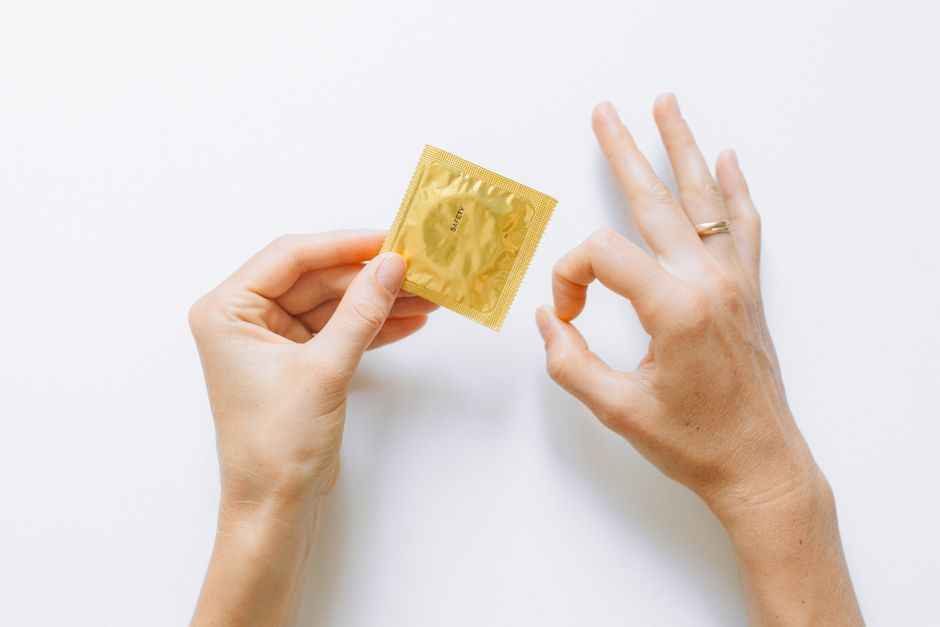
Flo is a period and ovulation tracking app, not a birth control app. You cannot add a birth control method to Flo and expect the app to prevent pregnancy. What you can do is log the method you use — the pill, an IUD, condoms, an implant — so your cycle predictions and daily logs reflect it. Flo is a tracking tool. It does not prescribe, dispense, or replace contraception.
That distinction matters because some people treat calendar-based apps as contraception. Flo itself has stated that it is not a contraceptive and should not be used to prevent pregnancy. Understanding what the app can and cannot do is the first step.
How To Add Birth Control To The Flo App
Flo does not have a single “add birth control” button. Logging a method happens through the app’s health and cycle settings, and the exact path shifts between app versions and between iOS and Android. Treat any step-by-step list as a general guide rather than a fixed map.
The usual route looks like this:
- Open Flo and go to your profile or account area, often marked by an icon in the top corner of the home screen.
- Look for a section labeled something like Health Profile, My Health, or Cycle Settings.
- Find the field for contraception or birth control method.
- Select your method from the list, or choose “other” and type it in if your method is not shown.
- Save and return to the main screen. The method should now appear in your profile data.
If you cannot find the field, use the search function inside the app’s help center. Flo updates its interface regularly, and a feature that lived in one menu last year may sit somewhere else now. The company’s own support pages are the most reliable source for the current layout.
What Logging Your Method Actually Changes
Adding a birth control method to Flo changes how the app interprets your cycle data. It does not change your fertility. It changes the predictions and reminders the app generates.
Hormonal methods work by suppressing ovulation, thickening cervical mucus, or thinning the uterine lining, depending on the type. When Flo knows you are on a hormonal method, it can adjust how it reads your logged symptoms and how it frames predictions. For example, the app may stop treating a missed period as a possible pregnancy signal if your method is known to cause irregular bleeding.
The app uses your inputs to build its predictions. If you tell it you use a copper IUD, which does not contain hormones and works mainly by affecting sperm and the egg’s environment, the app has different context than if you tell it you take a combined oral contraceptive. The accuracy of what Flo shows you depends heavily on what you feed it. Garbage in, garbage out.
One non-obvious point: logging a method does not make the app’s ovulation predictions medically reliable for you as an individual. Flo’s predictions are statistical estimates built from population patterns and your logged data. They are not a measurement of your hormones or a confirmation that you ovulated.
Does Flo Work As Birth Control?
No. Flo is not a contraceptive and is not cleared by regulators as one. The company has said so directly, and the app’s own materials describe it as a tracking tool.
Fertility awareness methods can be used to avoid pregnancy, but the reliable versions involve specific, consistent measurements — basal body temperature taken the same way every morning, cervical mucus observation, and sometimes hormone testing strips — combined with strict rules about which days are unsafe. A prediction algorithm that estimates your fertile window from past cycle lengths is not the same thing. Research on calendar-based methods has generally found them less effective than hormonal contraception, implants, or IUDs.
If pregnancy prevention is your goal, the methods with the strongest evidence behind them are the ones a clinician can fit, prescribe, or place: implants, intrauterine devices, injections, the pill, the patch, and the ring. Condoms also reduce the risk of sexually transmitted infections, which hormonal methods do not. Flo can sit alongside any of these as a tracking tool. It cannot take their place.
Why Your Method May Not Appear In The List
Flo’s list of methods covers the common categories, but it will not include everything. Newer products, less common options, and methods used in specific regions may be missing.
When that happens, most apps let you pick the closest match or enter a custom entry. If neither is possible, log the method in your notes or symptom journal so the information lives somewhere in your record. The goal is simply to have your method reflected in the data you keep.
It is also worth checking whether the app has separate fields for hormonal contraception and for barrier methods. Some versions track them in different places. If you use more than one method, log both.
What Flo Tracks Beyond Your Method
Flo’s core function is cycle logging. It records period start and end dates, flow, symptoms, mood, discharge, sexual activity, and more. Over time it builds a picture of your patterns.
That picture has real uses. It can help you notice cycles that have become consistently irregular, symptoms that cluster at certain points in your cycle, or bleeding patterns worth raising with a clinician. It is a record, not a diagnosis.
If you are trying to conceive, the app’s fertile window estimates may be useful as a rough guide, though the same caveat applies: they are estimates, not measurements. If you are trying to avoid pregnancy, those same estimates should not be trusted as a contraceptive method.
What To Do If You Are Unsure About Your Method
Flo cannot tell you whether your contraception is working. It has no way to measure that. If you have questions about effectiveness, side effects, or whether a method suits you, those are clinical questions.
A pharmacist can answer many questions about the pill, the patch, and the ring. A clinician can address IUDs, implants, injections, and interactions with other medications. Some antibiotics and certain other drugs can reduce the effectiveness of hormonal contraception, and that is a conversation to have with a professional, not an app.
If you think your method may have failed — a missed pill, a broken condom, a late injection — emergency contraception is time-sensitive. Contact a pharmacist or clinician as soon as possible. Do not wait for an app to tell you something.
Frequently Asked Questions
Can I use Flo as my only birth control?
No. Flo is a tracking app, not a contraceptive, and it is not cleared by regulators to prevent pregnancy. Use a method with demonstrated effectiveness and treat Flo as a logging tool alongside it.
Where do I add my birth control method in Flo?
Look in your profile or health settings for a contraception or birth control field. The exact location varies by app version, so check Flo’s in-app help center if you cannot find it.
Does logging birth control change Flo’s predictions?
Yes, it can change how the app interprets your symptoms and frames its predictions. It does not change your actual fertility or make the app a contraceptive.
Why is my birth control method not listed in Flo?
Flo’s list covers common methods but not every product or regional option. Choose the closest match, or log your method in your notes if no match exists.
