
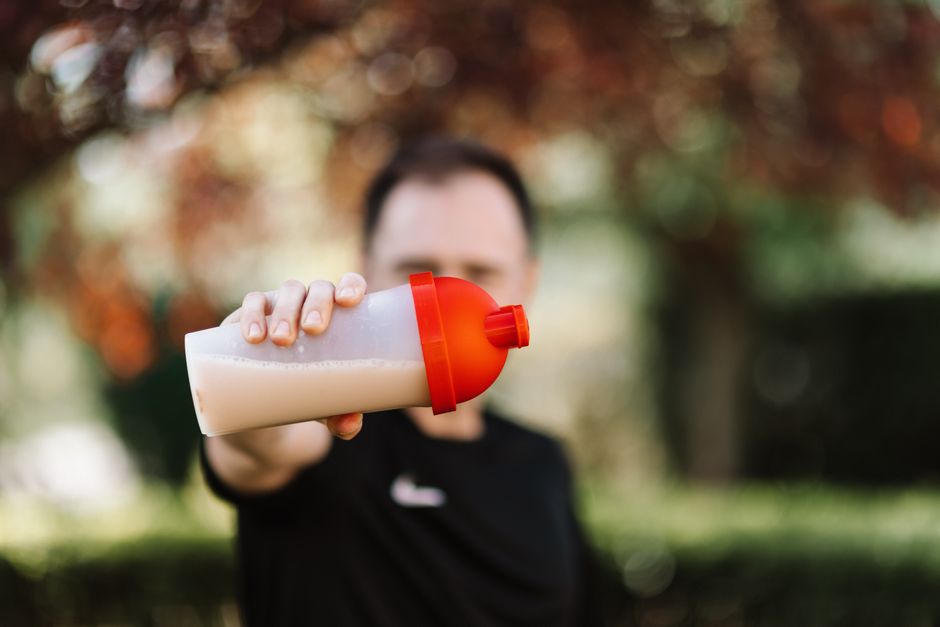
Most people who struggle to hit their protein goal are not failing because they lack willpower. They are failing because they are trying to get 100 grams or more from foods that only carry a few grams per serving, and they are spreading it across the day in amounts too small to matter. The fix is not a supplement. It is knowing which foods carry real protein, how much you actually need, and building a simple pattern that repeats.
How Much Protein Do You Actually Need Each Day?
The official reference value for adults is 0.8 grams of protein per kilogram of body weight per day. That works out to roughly 56 grams for a 70-kilogram (154-pound) adult. This is the minimum to prevent deficiency in a mostly sedentary person, not a target for someone who lifts weights or is over 65.
That distinction matters. The 0.8 g/kg figure is a Recommended Dietary Allowance. It was set to cover the needs of nearly all healthy adults, not to optimize muscle or support aging bodies. The two groups where the evidence most clearly supports going higher are people doing regular resistance training and older adults, who lose muscle mass more easily.
For active adults, research generally points to a range of about 1.2 to 2.0 grams per kilogram per day. For older adults, several reviews suggest 1.0 to 1.2 g/kg as a reasonable floor, with higher intakes for those doing strength work. These ranges come from position stands and consensus reviews rather than a single trial, so treat them as informed guidance, not a hard rule.
Here is the part most people miss. Total daily protein is not the only thing that matters. How you spread it across meals also affects muscle protein synthesis, the process your body uses to build and repair muscle. A common finding in this area is that muscle protein synthesis responds best to roughly 20 to 40 grams of high-quality protein per meal in adults. That is a general pattern from controlled feeding studies, not a precise cutoff.
So the practical version of “how much” is this: aim for a daily total matched to your body weight and activity, and try to get a meaningful amount at each main meal rather than loading it all into dinner.
Which Foods Actually Carry the Most Protein?
Animal foods are dense in protein and contain all nine essential amino acids in proportions the body uses efficiently. Plant foods can do the job too, but they usually need more planning because they are lower in protein per calorie and often low in one or more essential amino acids.
The table below shows approximate protein content per common serving. These figures reflect standard USDA nutrient data and are rounded.
| Food | Serving | Protein (approx.) |
|---|---|---|
| Chicken breast, cooked | 100 g | 31 g |
| Lean beef, cooked | 100 g | 26 g |
| Salmon, cooked | 100 g | 25 g |
| Eggs | 2 large | 12 g |
| Greek yogurt, plain | 170 g (¾ cup) | 17 g |
| Cottage cheese | 1 cup | 24 g |
| Lentils, cooked | 1 cup | 18 g |
| Tofu, firm | 100 g | 17 g |
| Whey protein powder | 1 scoop | 20-25 g |
Notice the pattern. A palm-sized portion of meat or fish gets you most of the way to a meal target. Two eggs do not. This is why breakfast is where many people fall short. A typical breakfast of cereal, toast, or a bagel might carry 5 to 8 grams of protein, which is well under the amount that seems to matter for muscle.
Plant-based eaters can hit the same totals, but it takes deliberate combining. Soy foods, lentils, beans, and seitan are the strongest single sources. Grains and nuts are lower and less complete on their own. Eating a variety across the day generally covers the amino acid gaps.
How Do You Spread Protein Across the Day?
A simple pattern that works for most people is three meals with 25 to 40 grams of protein each, plus one snack if needed. That lands a 70-kilogram adult near the middle of the active range without any math at every meal.
Here is what that looks like in real food terms:
- Breakfast: Greek yogurt with a scoop of whey, or three eggs plus cottage cheese
- Lunch: A palm-sized chicken breast, salmon fillet, or a large bowl of lentils with tofu
- Dinner: A similar protein portion to lunch, plus vegetables and a starch
- Snack if needed: A protein shake, cottage cheese, or a handful of nuts with yogurt
The reason to spread it out rather than eat one giant steak at night is that muscle protein synthesis appears to plateau after a certain amount of protein in a single sitting. Extra protein is still used by the body for other purposes, but it does not seem to extend the muscle-building signal much further. This is a well-replicated finding in controlled lab studies, though the exact ceiling varies by person and by how much muscle they carry.
If you are not training and not older, hitting the daily total matters more than the spread. If you are doing resistance training or you are over 65, the distribution becomes more relevant.




What About Protein Powders and Bars?
Protein powder is a convenient tool, not a requirement. Whey and casein are milk-derived and score well on amino acid quality. Soy and pea proteins are also effective, and blending plant sources can match animal protein for muscle support. The evidence supports these as legitimate options, not inferior substitutes.
The catch with bars is that many are not primarily protein. Some carry as much sugar or sugar alcohol as protein, and some contain only 8 to 12 grams. Read the label. A bar with 20 grams of protein and modest added sugar is a reasonable snack. A candy bar with added protein isolate is not the same thing.
Powders are also easy to overuse. They are useful for filling a gap, not for replacing whole meals. Food carries fiber, micronutrients, and other compounds that a powder does not.
Does Timing Around Workouts Matter?
The old “anabolic window” idea said you had to drink a shake within 30 minutes of training or lose your gains. That framing has been softened considerably. Total daily protein intake appears to matter far more than the exact minute you consume it.
That said, eating protein in the hours around a workout is reasonable and easy. If you train in the morning, having protein at breakfast and lunch covers it. If you train in the evening, dinner covers it. There is no strong evidence that a narrow post-workout window is necessary for most people. The exception some researchers note is if you trained fasted and have not eaten in many hours, in which case getting protein in soon after is sensible.
What Gets in the Way of Hitting Your Goal?
The most common obstacle is not appetite. It is that protein-dense foods take more planning than carbohydrates or fats. A slice of bread or a piece of fruit is ready to eat. A chicken breast is not.
Other common snags:
- Breakfast is built around low-protein foods like cereal, toast, and fruit
- Snacks default to chips, crackers, or fruit, which carry little protein
- Plant-based meals are assembled without a concentrated protein source
- Restaurant and takeout meals vary widely in portion and protein content
One non-obvious point: cooking protein in bulk once or twice a week removes most of the daily friction. If cooked chicken, lentils, or tofu is already in the fridge, hitting the target becomes a matter of assembly rather than cooking. People who consistently hit high protein intakes usually have a system, not more discipline.
Another honest note: very high protein intakes are not automatically better. For most healthy adults with normal kidney function, higher protein diets have not been shown to damage the kidneys in controlled research. But for people with existing kidney disease, protein intake needs to be managed with a clinician, because the kidneys handle the waste products from protein breakdown. This is a real distinction, not a scare tactic.
Frequently Asked Questions
How much protein should I eat per day?
The official minimum for sedentary adults is 0.8 grams per kilogram of body weight. Active adults and people over 65 generally do better in the range of 1.0 to 2.0 grams per kilogram, depending on training and goals.
What is the best protein source?
There is no single best source. Animal foods like chicken, fish, eggs, and dairy are protein-dense and complete. Soy, lentils, and tofu also work well, especially when eaten across a varied diet.
Do I need a protein shake to hit my goal?
No. Shakes are convenient but optional. Whole foods can meet the same target if you plan meals around a concentrated protein source at each sitting.
Can eating too much protein hurt my kidneys?
For healthy adults with normal kidney function, higher protein intakes have not been shown to cause kidney damage in controlled research. People with existing kidney disease should manage protein intake with a clinician.
