
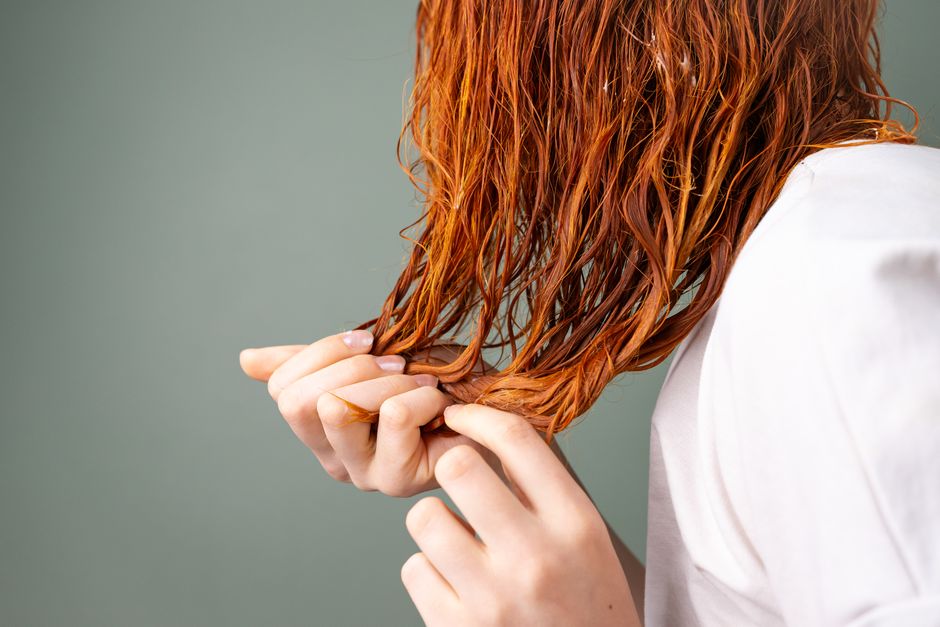
A single strand of human hair measures roughly 0.017 to 0.18 millimeters in diameter, depending on the person, the color of their hair, and which part of the body it grows on. That is about 17 to 180 micrometers — thin enough that you would need a specialized micrometer or a laser scan to measure it accurately. For comparison, a standard sheet of printer paper is about 100 micrometers thick, so a fine strand of hair can be thinner than a piece of paper, while a coarse one can be noticeably thicker.
How Thick Is a Strand of Hair in Everyday Terms?
Most people cannot picture a micrometer. So here is a simpler way to think about it.
A typical head hair is somewhere between one-fiftieth and one-tenth of a millimeter across. If you lined up about 10 to 20 strands side by side, you would have roughly one millimeter of width. Stack a few thousand together and you get the thickness of a pencil.
Hair thickness is not the same as hair density. Thickness refers to the diameter of each individual strand. Density refers to how many strands grow from each square centimeter of scalp. You can have fine hair that is dense, or coarse hair that is sparse. These are two separate traits, and they are controlled by different factors.
There is also a difference between how hair feels and how thick it actually is. Hair that has been colored, heat-styled, or chemically treated may feel rougher or coarser because the outer layer has been damaged, even though the underlying diameter has not changed.
What Determines Hair Thickness?
Hair thickness is largely set by your genetics and by the shape and size of the follicle it grows from. The follicle is the tiny pocket in the skin where each hair begins. A larger follicle tends to produce a thicker strand.
Several factors shape that follicle and the hair it produces:
- Genetics. Hair diameter is strongly inherited. If your parents have fine hair, you likely will too.
- Hair color. As a general trend, people with naturally red hair tend to have the thickest individual strands, followed by dark hair, with blonde hair typically being the finest. This is an average pattern, not a rule that applies to every person.
- Body location. Scalp hair, eyebrows, eyelashes, and body hair all differ in diameter. Scalp hair is generally thicker than the fine hairs on the face or arms.
- Age. Strands tend to be thickest in adulthood and can gradually become finer with age, especially after menopause in women.
- Hormones. Hormonal shifts can change the diameter of hair over time.
One point worth clarifying: thickness is not a sign of health. Fine hair is not weaker or less healthy than coarse hair. It is simply a different physical trait, like eye color.
How Do You Measure Hair Thickness?
You cannot get an accurate number with a ruler or a tape measure. Hair is too thin for that. Reliable measurement requires the right tools.
The most common methods include:
- Micrometer. A precision instrument that measures very small thicknesses. A single strand is placed between the measuring faces and the diameter is read directly.
- Laser scan or optical measurement. Used in research and some cosmetic labs. Light is used to calculate the diameter without touching the hair.
- Microscopy. The strand is viewed under a microscope with a calibrated scale.
For everyday purposes, most people do not need a number. What matters more is whether your hair has changed. A noticeable shift in thickness over months, or patches of hair that feel distinctly different, is worth mentioning to a doctor or dermatologist.
Hair thickness is usually classified into three broad categories:
- Fine. Strands are thin and may lie flat. Often harder to hold a curl.
- Medium. The middle range, and the most common.
- Coarse. Strands are thicker and more wiry. Often holds styles well.
These categories overlap, and there is no universal cutoff that separates them. Different stylists and labs use different reference points.




Does Hair Thickness Change Over Time?
Yes, but usually slowly and not in the way people expect.
Hair grows in cycles. Each follicle produces a hair for a period, then rests, then sheds that hair and starts again. The diameter of the new hair can differ slightly from the one it replaces. Over years, the average diameter across your scalp can drift.
Two changes are well documented:
- Aging. Many people, especially women, notice that individual strands become finer as they get older. This is a gradual process tied largely to hormonal changes.
- Hormonal shifts. Pregnancy, menopause, thyroid conditions, and other hormonal changes can affect both the thickness of strands and how many are growing at once.
What hair thickness does not do is change overnight. A strand that feels dramatically different from one week to the next is more likely a texture issue — product buildup, damage, or styling — than a real change in diameter.
What Causes Hair to Look or Feel Thinner?
Thinning is often about density, not diameter. Losing hair density means fewer strands on the scalp, which can make hair look thinner even if each strand is the same thickness as before.
Common reasons hair looks thinner include:
- Androgenetic alopecia. The most common form of hair loss. It affects both men and women and tends to run in families.
- Telogen effluvium. A temporary shedding phase often triggered by illness, major stress, surgery, or significant weight loss.
- Nutritional deficiencies. Low iron, low vitamin D, and other deficiencies can contribute to shedding in some people. This should be confirmed by a doctor rather than assumed.
- Thyroid disorders. Both an underactive and overactive thyroid can affect hair.
- Damage and breakage. Repeated chemical treatments and high heat can break strands, which looks like thinning but is not.
If you are losing hair in patches, shedding far more than usual for weeks, or noticing scalp changes, that is a reason to see a doctor. Many causes are treatable, and the earlier they are identified, the more options there are.
Does Hair Thickness Affect How You Should Care for It?
It can, mainly in how products and styling affect the hair.
Fine hair tends to be weighed down more easily by heavy conditioners, oils, and thick styling products. Coarse hair often needs more moisture to stay flexible and can tolerate heavier products. These are general tendencies, not strict rules — individual strands vary within every category.
What is consistent is that all hair benefits from limiting damage. Heat, bleach, and repeated chemical processing can weaken the strand’s outer layer over time. Keeping heat tools at moderate settings, spacing out chemical treatments, and being gentle when hair is wet all reduce breakage.
There is no product that permanently changes the diameter of your hair. Some ingredients can temporarily coat the strand and make it feel thicker, and some volumizing products create the appearance of more body. That effect washes out. No topical product has been shown to permanently thicken individual strands.
Is Thick Hair Healthier Than Fine Hair?
No. Thickness and health are separate things. A fine strand can be perfectly healthy, and a coarse strand can be damaged or unhealthy.
Hair health is better judged by how the hair behaves: does it break easily, does it shed more than usual, does it look dull or brittle, is the scalp comfortable? Those signals matter more than the diameter of any single strand.
It is also worth remembering that “thick hair” is often used loosely to mean a lot of hair, when it actually refers to the diameter of each strand. Someone with fine hair and high density can have a full head of hair that still feels thin between the fingers. The two traits get mixed up constantly, and it leads to a lot of confusion about what someone’s hair is really doing.
Frequently Asked Questions
How many millimeters thick is a human hair?
A single strand is roughly 0.017 to 0.18 millimeters in diameter. That range covers fine to coarse hair across different people and body locations.
Can hair thickness change permanently?
Some gradual change is normal with age and hormonal shifts, and it can persist. Sudden changes are more often related to shedding, damage, or an underlying condition than to the strand itself.
Is fine hair a sign of a health problem?
Usually not. Fine hair is most often a genetic trait. It is worth checking with a doctor if the change is new, rapid, or comes with other symptoms.
Does cutting hair make it grow back thicker?
No. Cutting only affects the part of the hair above the scalp, so it cannot change the diameter of the strand that grows from the follicle. The stubble may feel coarser because of its blunt cut end.
