
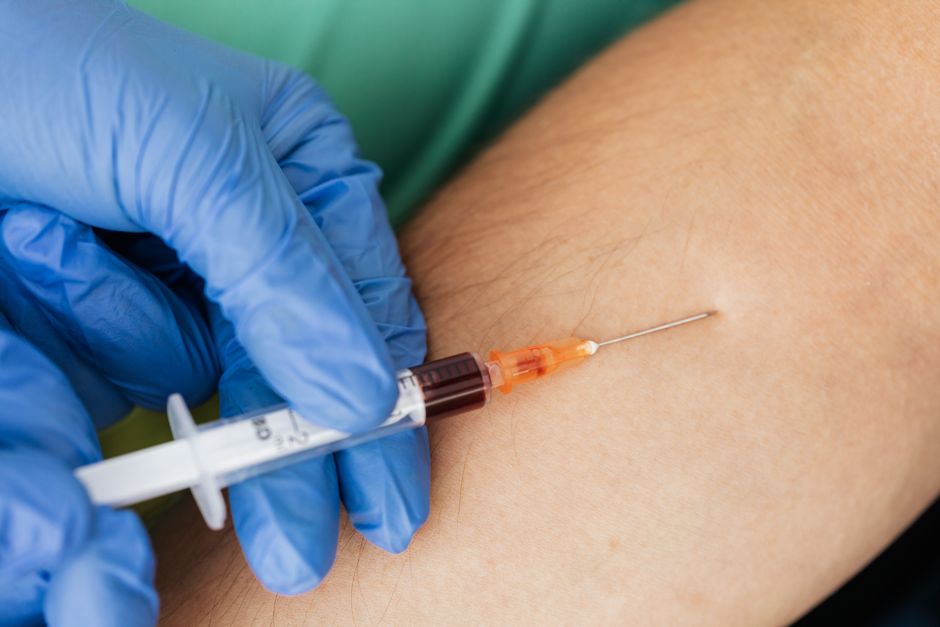
The tuberculin PPD skin test, often called the TB skin test or Mantoux test, is a simple way to find out if you have been infected with the bacteria that cause tuberculosis (TB). A small amount of fluid called tuberculin is injected just under the top layer of your skin, usually on the inside of your forearm. The test works by measuring your body’s immune response to these inactive TB proteins. If you have been exposed to the bacteria before, your skin will react with a raised, hard bump within 48 to 72 hours, signaling that your immune system recognizes the threat.
How The Tuberculin Ppd Skin Test For Tb Works?
The test relies on a specific type of immune response called delayed-type hypersensitivity. When the tuberculin is injected, your body’s T-cells—a type of white blood cell—recognize the proteins if they have encountered the TB bacteria before. These T-cells rush to the injection site and release chemicals called cytokines. This reaction causes local inflammation, which appears as a firm, raised area on your skin. This bump is called an induration. It is not the same as simple redness. The size of this bump, not the redness, is what the doctor measures to interpret your result.
This reaction takes time to develop. That is why you must return to the clinic 48 to 72 hours after the injection for the reading. If you wait too long, the reaction may fade, and the test becomes invalid. If you check too early, the reaction may not have fully developed, which could lead to a false negative result.
What Do The Results Mean?
The result of a TB skin test is not simply positive or negative. It is interpreted based on the size of the induration and your personal risk factors. A healthcare provider measures the bump in millimeters. A larger bump does not mean you have a more severe infection. It simply reflects the strength of your immune system’s memory response.
For example, a bump of 5 millimeters or more is considered positive for people with a weakened immune system, such as those living with HIV, or those who have had close contact with someone with active TB. A bump of 10 millimeters or more is positive for most other people, including recent immigrants from high-prevalence countries and people who inject drugs. A bump of 15 millimeters or more is positive for people with no known risk factors. This tiered system helps doctors avoid unnecessary treatment while still catching infections in high-risk groups.
It is critical to understand that a positive TB skin test does not mean you have active TB disease. It only means you have been infected with the bacteria at some point in your life. Most people with a positive test have what is called latent TB infection. They have no symptoms and are not contagious. However, they carry the bacteria in their bodies, and there is a risk it could become active later. This is why treatment for latent TB is often recommended to prevent future illness.
Why Do I Need Two Tests Sometimes?
Some people require a two-step TB skin test. This is common for healthcare workers or people entering certain facilities. The first test may produce a false negative in someone who was infected many years ago. Their immune response may have weakened over time. The first test acts as a “booster” that wakes up the immune system’s memory. If the first test is negative, a second test is done one to three weeks later. If the second test is positive, it indicates a past infection that the first test missed.
Without the two-step process, a negative first test could be falsely reassuring. The two-step approach ensures the baseline result is accurate. After that, any single positive test in the future indicates a new infection. This protocol is standard practice in many occupational health settings.



Can The Test Cause Side Effects?
The TB skin test is generally safe and well-tolerated. The most common side effect is some itching, swelling, or soreness at the injection site. A small blister or ulcer may form in people who have a strong positive reaction. This is a normal skin response and not a sign of harm. The reaction usually fades within a week.
Severe allergic reactions to the tuberculin solution itself are extremely rare. The solution is a purified protein derivative, not a live bacteria. You cannot get tuberculosis from the skin test. It is safe for pregnant women and for people with weakened immune systems. However, if you have had a severe reaction to a TB skin test in the past, you should tell your doctor before receiving another one.
What If My Test Is Positive?
A positive test requires follow-up. The next step is usually a chest X-ray to check for signs of active TB disease in your lungs. Your doctor will also ask about symptoms like a persistent cough, fever, night sweats, or unexplained weight loss. If the chest X-ray is clear and you have no symptoms, you have latent TB infection.
Treatment for latent TB is typically a course of antibiotics taken for several months. This treatment significantly reduces the risk of the infection becoming active later. It is a preventive measure, not a treatment for an active illness. Some people are hesitant to take medication when they feel fine. But the evidence is clear: treating latent TB prevents future disease and stops the spread of TB in communities.
If the chest X-ray shows abnormalities or you have symptoms, further tests such as sputum samples will be collected. These tests look for the actual TB bacteria. This confirms a diagnosis of active TB disease, which requires a longer, more complex treatment regimen.
Are There Alternatives To The Skin Test?
Yes. Blood tests called interferon-gamma release assays (IGRAs) are a common alternative. These tests measure how your immune system’s T-cells respond to TB proteins in a blood sample. They require only one visit, and the results are available within 24 hours. They are not affected by prior BCG vaccination, which can sometimes cause false positive skin test results.
Some research suggests IGRAs are more specific than the skin test. This means they are less likely to give a positive result in someone who has not been infected. They are often preferred for people who have received the BCG vaccine or who may not return for the skin test reading. However, they are more expensive and require laboratory equipment. The skin test remains a reliable, cost-effective tool, especially in settings where blood testing is not readily available.
Frequently Asked Questions
How long does it take for the TB skin test to show results?
The test must be read 48 to 72 hours after the injection. Reading it too early or too late can make the result inaccurate.
Is a TB skin test painful?
You may feel a brief sting when the needle is inserted. After that, the site may itch or feel sore, but most people find it very tolerable.
Can I shower or swim after a TB skin test?
Yes, you can shower and swim normally. Just do not cover the site with a bandage or apply any cream or lotion to it.
Does a positive TB skin test mean I have active TB?
No. A positive test only means you have been infected with the TB bacteria. It does not tell you if the infection is active or latent.
