
Collagen is the most abundant protein in the human body, and it does not float around loose. It assembles into a fibrous mesh — the collagen matrix — that gives structure to skin, bone, tendon, cartilage, and blood vessel walls. This matrix holds cells in place, shapes tissues, and passes chemical signals that influence how cells behave. It is less like a scaffold sitting in the background and more like a living framework that cells build, maintain, and constantly rebuild.
What Is The Collagen Matrix Made Of?
The matrix is a network of collagen proteins woven together with other structural molecules and water. Type I collagen is the most common form in the body. It forms long, strong fibers found in skin, bone, tendon, and ligament. Type II collagen is the main structural protein of cartilage. Other types, including III, IV, and V, serve more specialized roles in blood vessels, basement membranes, and tissue organization.
Collagen does not build itself. Cells called fibroblasts in skin and connective tissue, osteoblasts in bone, and chondrocytes in cartilage produce collagen molecules and secrete them outside the cell. There, the molecules assemble into fibrils, and fibrils bundle into larger fibers. Enzymes cross-link these fibers to one another, and that cross-linking is what gives tissue its tensile strength.
The matrix is not collagen alone. It also contains elastin, which allows tissues to stretch and recoil, plus other proteins and complex sugars that hold water and fill the space between fibers. Collagen provides the tensile strength; these other components contribute elasticity and hydration. Together they determine how a tissue behaves when pulled, pressed, or bent.
How The Collagen Matrix Supports And Shapes The Body?
The collagen matrix gives form to tissues and organs, and it does so by resisting force. Skin stays intact under stretching because collagen fibers in the dermis are arranged in a mesh that distributes tension. Tendons transmit the pull of muscle to bone because type I collagen fibers run in parallel along the line of force. Bone resists bending because collagen fibers provide a flexible framework that mineral crystals harden.
The shape of a tissue follows the arrangement of its matrix. In a tendon, parallel fibers create a rope-like structure built for one direction of pull. In skin, a crisscross pattern allows stretching in many directions. In cartilage, a dense mesh of type II collagen traps water-binding molecules that let the tissue cushion joints under compression.
The matrix also anchors cells. Cells attach to collagen through specialized receptor proteins on their surface. This attachment is not passive. It tells cells where they are, whether they should divide, and what kind of tissue they belong to. When a cell loses its grip on the matrix, it can behave very differently — a point that matters in wound healing and in cancer biology.
How Does Collagen Give Skin Its Structure And Firmness?
Most of the dry weight of the dermis, the middle layer of skin, is collagen. Type I and type III collagen fibers form a dense mesh that supports the skin’s outer layer and gives it resistance to tearing and stretching. Elastin fibers interwoven with the collagen allow the skin to return to shape after movement.
Skin firmness comes from the quantity and organization of this matrix, not from collagen applied to the surface. Collagen molecules are large. When a cream or serum containing collagen is applied to the skin, it can hold water at the surface, which temporarily plumps the outer layer. It does not meaningfully penetrate into the dermis and become new structural collagen. No strong evidence shows that topical collagen rebuilds the skin’s matrix.
Age-related changes in skin are largely changes in the matrix. Collagen production by fibroblasts declines with age, and existing fibers become more fragmented and less organized. Sun exposure accelerates this. Ultraviolet radiation damages collagen fibers and interferes with new collagen synthesis. This is one reason sun protection is the most evidence-supported way to slow skin matrix breakdown.
What Does The Collagen Matrix Do In Bone And Cartilage?
Bone is a composite material. Collagen fibers form a framework, and calcium phosphate minerals crystallize within and around that framework. The collagen provides flexibility and resistance to pulling forces; the mineral provides hardness and resistance to compression. Remove either component and bone loses strength. This is why bone is not simply “calcium” — its collagen matrix is essential to its mechanical behavior.
Cartilage has no blood supply of its own and heals poorly after injury. Its matrix is built by chondrocytes, which are sparse and slow to divide. Type II collagen forms the structural mesh, and large molecules called proteoglycans trap water within it. That trapped water is what allows cartilage to absorb shock in joints. When the collagen matrix of cartilage breaks down, as happens in osteoarthritis, the tissue loses its ability to cushion load.
Bone, unlike cartilage, is constantly remodeled. Cells called osteoclasts break down old bone matrix, and osteoblasts build new matrix in its place. This turnover keeps bone strong and allows it to repair damage. The balance between breakdown and rebuilding shifts with age, hormonal changes, and physical activity.
Does The Collagen Matrix Weaken With Age?
Yes. Collagen production declines with age across most tissues, and existing collagen becomes more cross-linked and fragmented. In skin, this shows up as thinner dermis and reduced elasticity. In bone, the balance of remodeling tilts toward breakdown, contributing to bone loss. In tendons and ligaments, the matrix becomes stiffer and less organized, which some research links to higher injury risk.
The rate of change varies widely between people. Genetics, sun exposure, smoking, physical activity, diet, and hormonal status all influence how the matrix holds up. Smoking in particular damages collagen and elastin in skin and impairs wound healing. This is well established.
Physical loading matters too. Bone and tendon respond to mechanical stress by remodeling their matrix. Weight-bearing exercise and resistance training are associated with better bone density and tendon resilience. The matrix is not static — it adapts to the demands placed on it, which is one reason activity matters at every age.
Do Collagen Supplements Rebuild The Matrix?
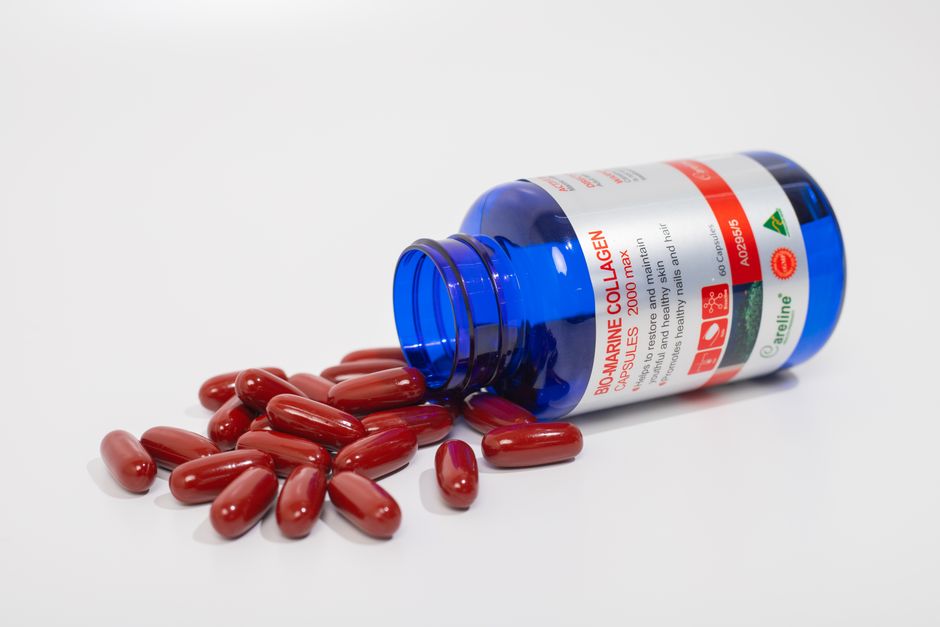
The evidence here is mixed and should be read carefully. Collagen supplements are broken down into amino acids and small peptides during digestion. The body does not direct those fragments to your skin or joints. It uses amino acids wherever they are needed, the same as amino acids from any protein source.
Some small trials have reported improvements in skin hydration and elasticity with collagen peptide supplementation, and some have reported reduced joint pain. Many of these studies are short, small, and often funded by supplement manufacturers. Results vary, and independent replication is limited. No strong evidence shows that collagen supplements rebuild the collagen matrix in a targeted way.
The honest position: collagen supplements are not proven to restore joint cartilage or reverse skin aging. They may provide amino acids the body can use, but so does adequate dietary protein from food. Anyone considering supplements should discuss them with a clinician, especially people with kidney disease, those who are pregnant or breastfeeding, or anyone taking medications. No clinical guidelines currently exist for collagen supplementation in pregnancy or breastfeeding.
What Actually Supports A Healthy Collagen Matrix?
You cannot directly “boost” collagen with a single food or product. The body builds its matrix from available amino acids, with vitamin C playing a required role in collagen synthesis. Vitamin C deficiency causes scurvy, a disease defined by defective collagen — poor wound healing, bleeding gums, and fragile skin and blood vessels. This is well established and shows how directly collagen depends on adequate nutrition.
Copper and zinc are also involved in collagen cross-linking and matrix maintenance. A varied diet that meets protein and micronutrient needs supports the raw materials. Beyond nutrition, several factors have consistent evidence behind them:
- Protecting skin from ultraviolet radiation slows collagen breakdown in the dermis.
- Avoiding smoking protects collagen and elastin from damage.
- Regular weight-bearing and resistance exercise supports bone and tendon matrix remodeling.
- Maintaining adequate protein intake provides the amino acids needed for collagen synthesis.
None of these rebuild the matrix on demand. They support the conditions under which the body maintains it. The matrix is maintained continuously by cells, and the factors above influence how well that maintenance works.
Frequently Asked Questions
What is the collagen matrix?
The collagen matrix is the fibrous network of collagen proteins that gives structure to skin, bone, cartilage, tendon, and other tissues. Cells build and maintain it continuously, and it also sends signals that influence cell behavior.
Does eating collagen rebuild the collagen matrix?
No. Digested collagen is broken into amino acids and used wherever the body needs them, not directed to skin or joints. No strong evidence shows that eating collagen rebuilds the matrix in a targeted way.
Does topical collagen cream work?
Collagen molecules are too large to penetrate into the dermis and become structural collagen. Topical collagen can hold water at the skin surface and temporarily plump the outer layer, but it does not rebuild the matrix.
What vitamin is needed for collagen production?
Vitamin C is required for collagen synthesis. Severe deficiency causes scurvy, a disease of defective collagen, which shows how directly collagen production depends on adequate vitamin C.
